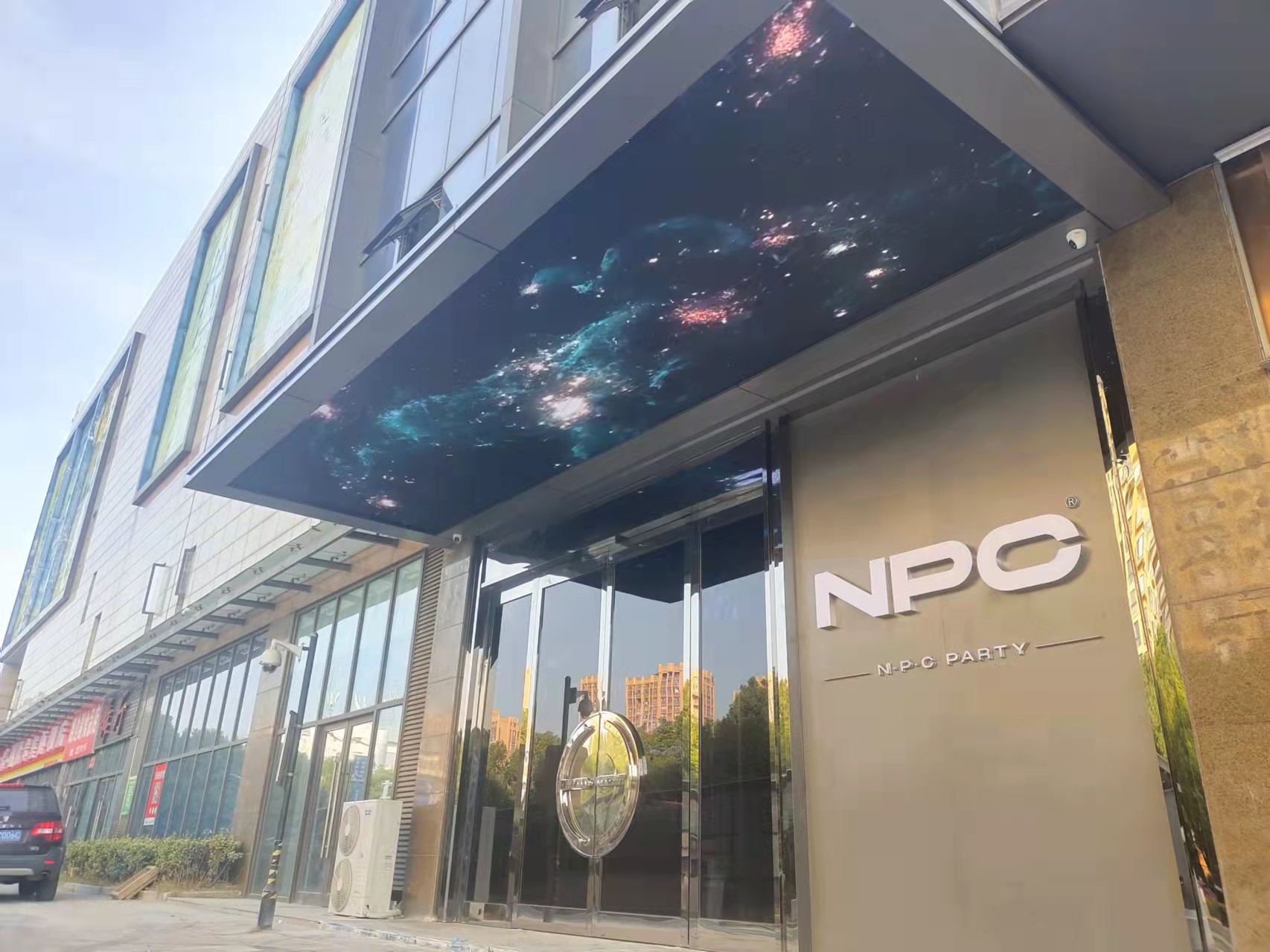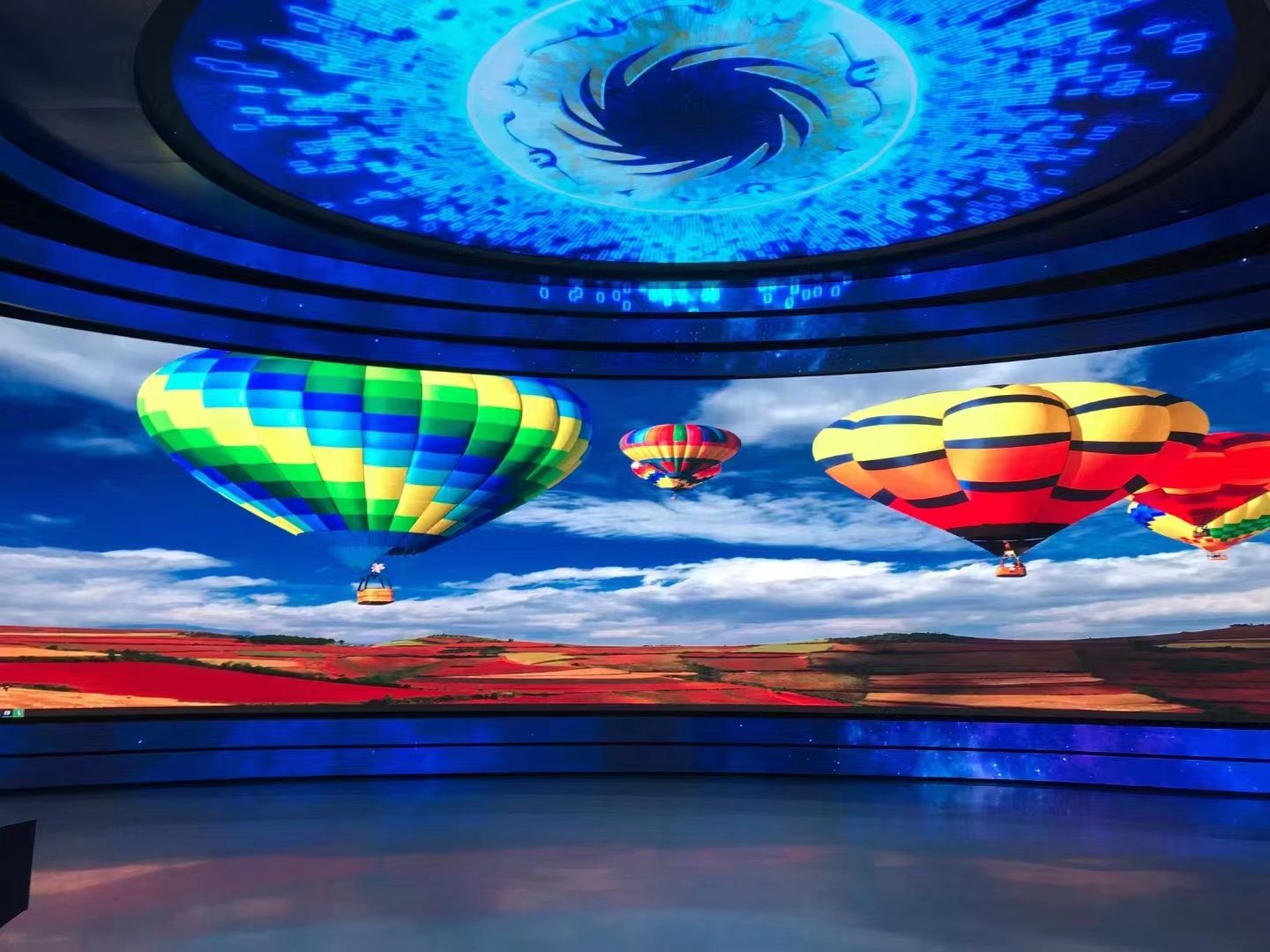
From the perspective of retail store merchants, transparent screens are no longer just technological toys used to display technology, but are an effective way to help stores increase revenue and attract young consumer groups. It breaks through the physical boundaries of traditional advertising screens, turning the product itself into the background and allowing information to float above the physical object. This kind of visual clarity can greatly reduce the psychological barriers for customers to enter the store, and at the same time provide an immersive interactive experience. For physical buyers seeking differentiated competition, this is a low-cost and high-yield opportunity to reshape their brand image.
How transparent screens can enhance store appeal
When you walk into a convenience store or luxury store, this store uses a transparent screen. The first thing that catches the eye is not the products on the shelves, but the looming digital information. The transparent OLED technology makes the screen nearly invisible when it is not displaying content. Once it is lit, the high-definition image is perfectly integrated with the real products behind it. The effect of this combination of reality and reality is more impactful than a simple flat poster. Customers are not forced to accept advertisements, but are naturally guided to pay attention to specific selling points when browsing products.
Suppose, when you pass by an glasses store, not only are there glasses frames in the window, but there are also dynamic renderings of different face shapes wearing the glasses. Such an intuitive presentation method directly solves the problem of consumers not knowing whether it is suitable for them. The transparent screen uses real-time rendering to transform abstract parameters into concrete visual experiences, greatly shortening the decision-making process. For high-frequency consumption retail situations, this instant feedback mechanism can effectively improve conversion rates.
What's more important is that the transparent screen is extremely playable and can be integrated with technologies such as gesture recognition and gravity sensing to create a unique interactive game. The younger generation of customers are enthusiastic about sharing novel experiences, and this interaction itself has become a social currency. When customers complete a very interesting interaction in the store and take photos and send them to their friends, the transparent screen automatically achieves a secondary communication behavior. Through the word-of-mouth effect spontaneously generated by users, This is something that traditional advertising is difficult to achieve.
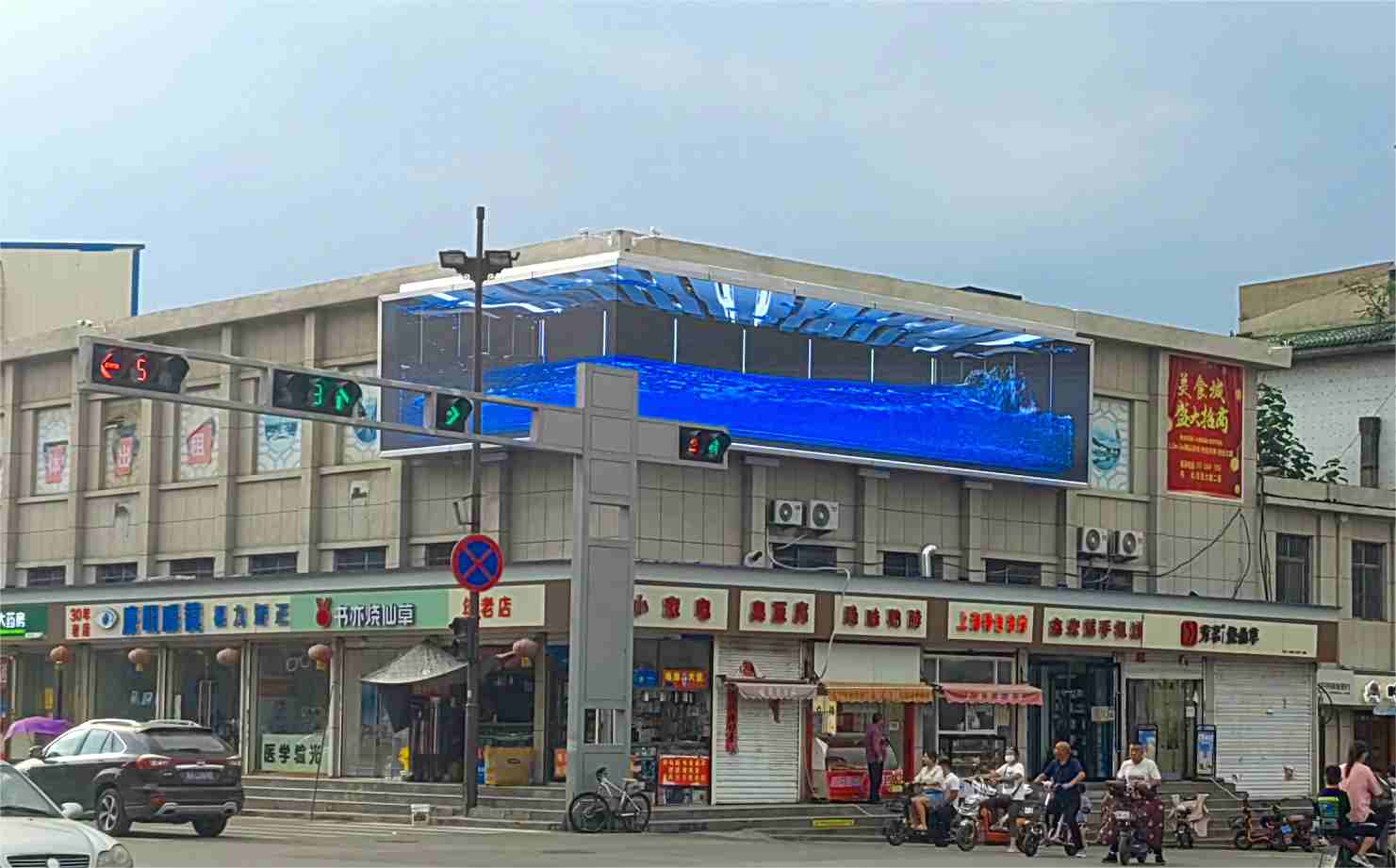
Are transparent screens expensive to install and maintain?
Many people are afraid of transparent screens, mainly due to concerns about their high cost and complicated maintenance. In fact, as the industry chain matures, the price of transparent screens has dropped significantly, especially those of small and medium-sized products. The price/performance ratio even exceeds that of some high-end LCD monitors. The installation process is also relatively simple and convenient. Most products have the function of being attached to existing glass curtain walls or independent brackets, and do not require large-scale transformation of the store structure.
However, the transparent screen is not absolutely flawless. In strong light environments, its contrast may be affected to a certain extent, but this can be optimized by using a brightness adjustment algorithm or using an anti-glare film. In terms of daily maintenance, the cleaning of the transparent screen surface is no different from that of ordinary glass. It only needs to be wiped regularly. Since it does not have a backlight layer, it generates relatively little heat and has a longer service life than ordinary LCD screens.
For large chain stores, transparent screens have more significant advantages in digital management. This advantage allows the headquarters to update store display content across the country with one click based on the back-end system, without having to dispatch personnel to replace paper posters. This not only saves labor costs, but also ensures the consistency of the brand image. From a long-term perspective, such flexible content delivery capabilities will bring continuous operating dividends to merchants.