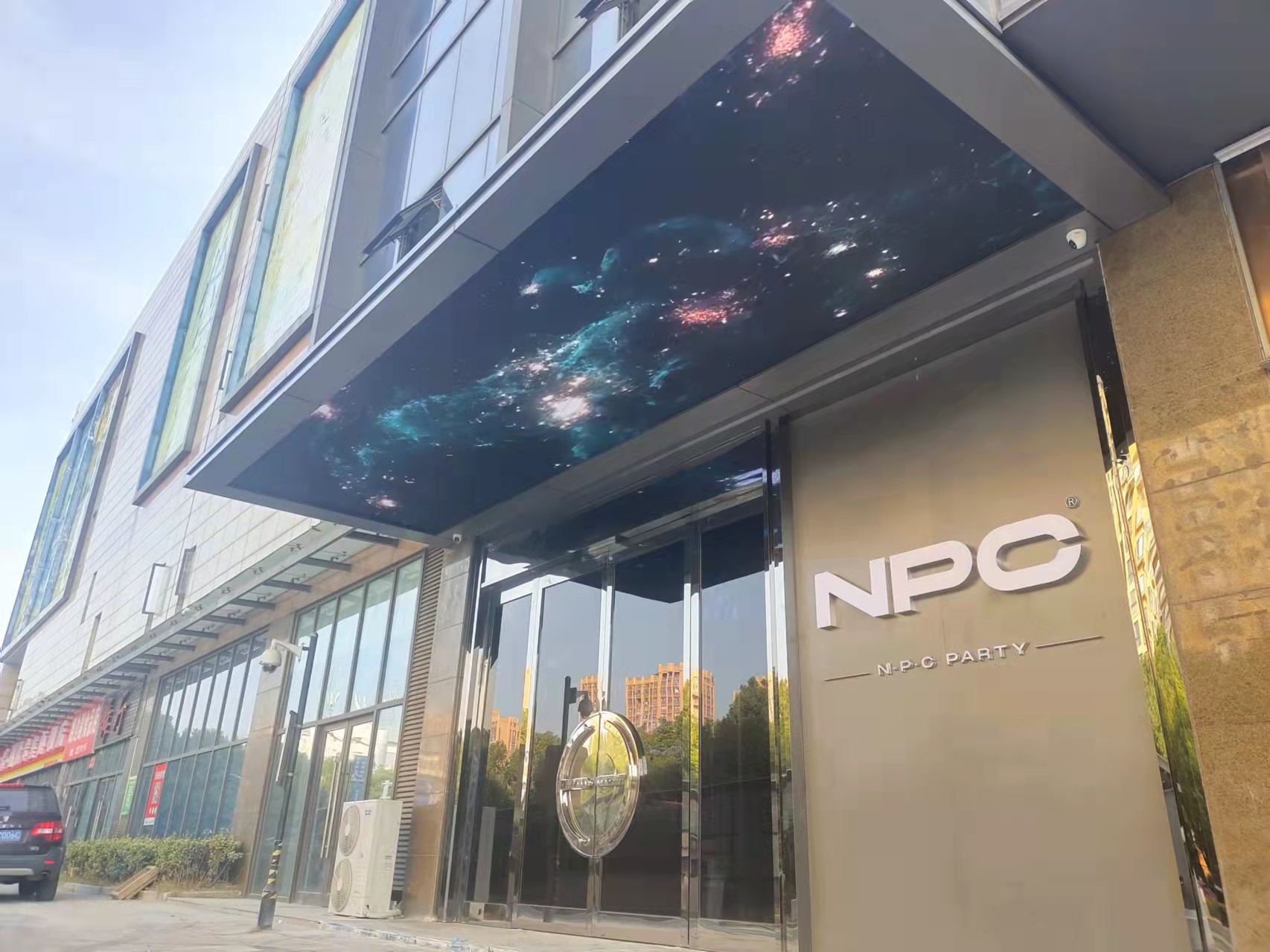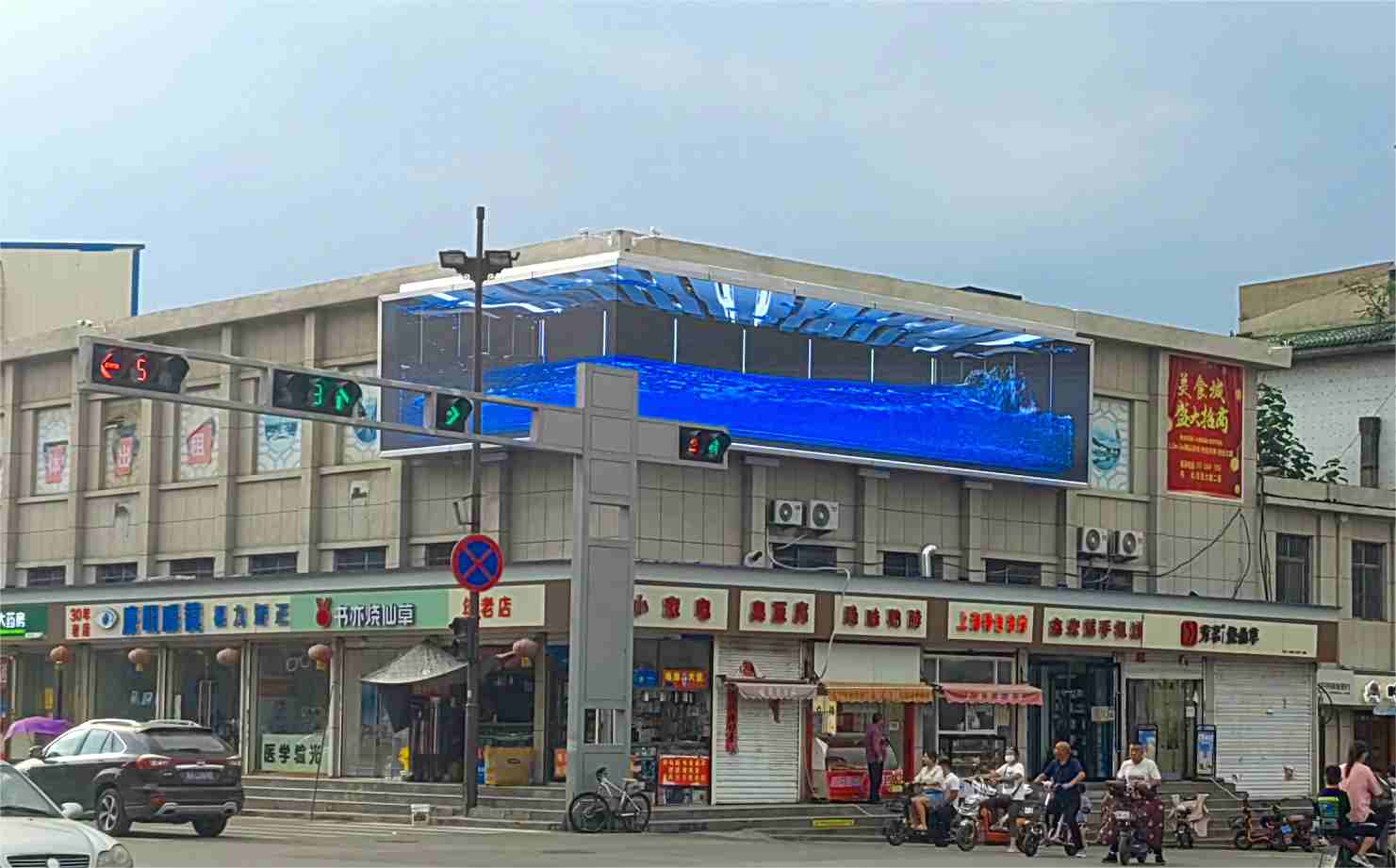
Transparent screens have become very popular in the past two years. When walking in shopping malls or subway stations, you can always see screens that can play images behind the glass. Many people will be startled at first sight, mistakenly thinking that there is a film on the glass, but in fact it is a transparent LED screen, that is, a transparent screen. Its core value is that it does not block the line of sight and can present dynamic content, turning the originally ordinary glass into an information portal. This article explains the transparent screen clearly from the two perspectives of price and actual effect.
What factors affect the price of transparent screens?
What is not a fixed price is the quotation of the transparent screen, and the gap between different projects is significant. The main factors that affect the price are: pixel pitch, transmittance, lamp brand, driver solution, and installation difficulty. The smaller the pixel pitch, the more delicate the picture, so the price will naturally be higher. For example, the price difference between P3.9 and P7.8 may be nearly double. However, the effect of P7.8 is not bad when viewed from a distance, so the selection is very important.
One expense is not the hardware itself, but the installation cost, which accounts for a large proportion. Transparent screens often need to be attached to the inside of the glass curtain wall, or embedded in the original window structure, which involves steel structure, power wiring, and signal transmission, and even the load-bearing and reflection issues of the glass must be considered. Some projects may seem like displays with low prices, but when the installation and commissioning costs are put together, the total cost rises. Therefore, when asking about the price, be sure to ask whether it is the bare screen price or the floor price including the installation part.
One point that is easily overlooked is the compatibility of the control system. Whether the transparent screen playback system supports your existing video formats and whether it supports remote cluster control will all have an impact on the later use costs. Some cheap screens save the cost of a control card, but the result is lags and color casts during later playback, which is not worth the gain. The price of transparent screens has always been based not only on how much it costs per square meter, but also on whether the entire project can run stably.
What is the effect of transparent screens in shopping mall windows?
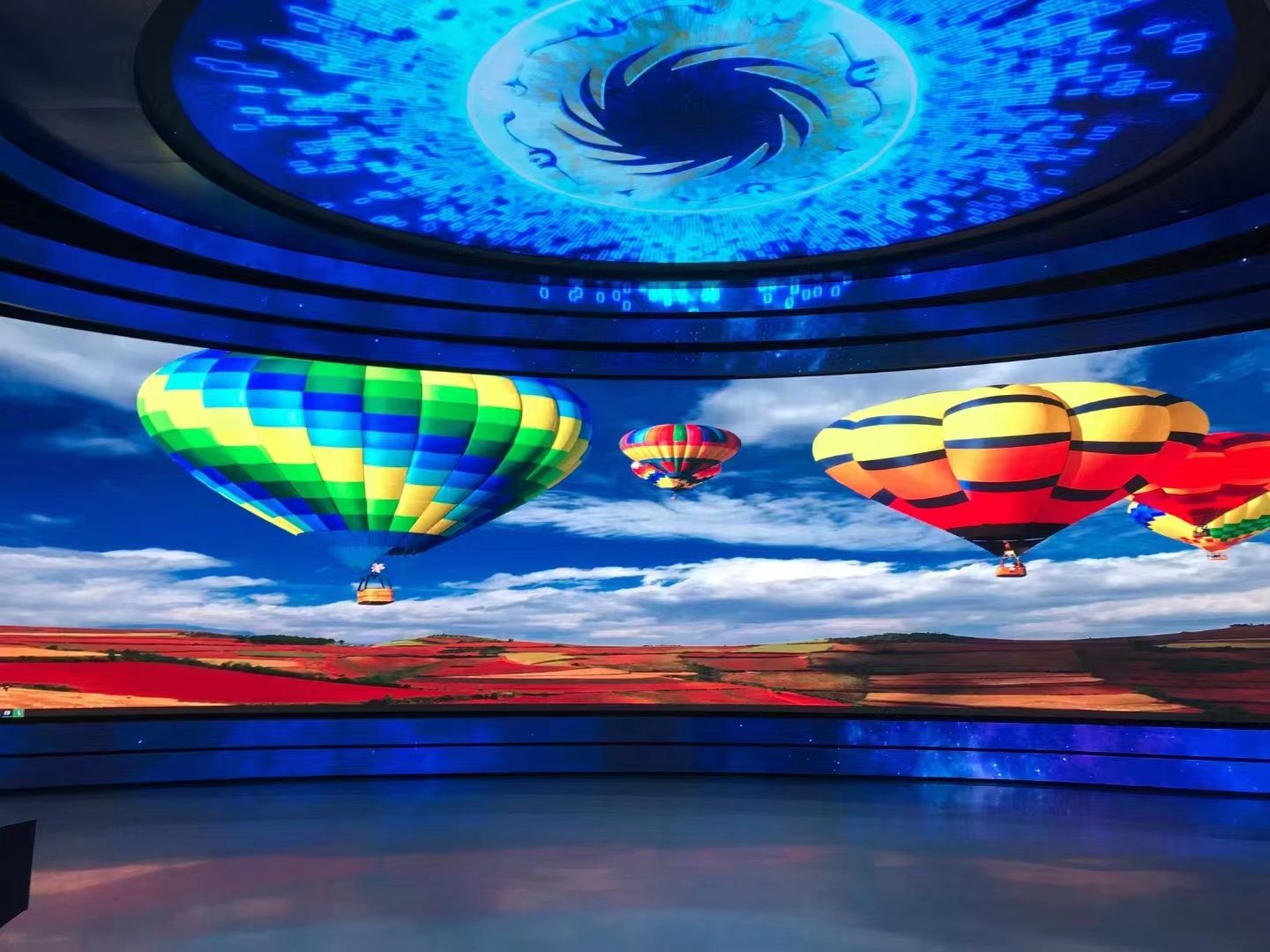
Shopping mall windows are a category of scenes where transparent screens are extremely frequently used. During the day, the actual products in the display window and the dynamic images on the screen are superimposed on each other. People passing by can not only understand the clothes and bags inside, but also see the models on the screen performing catwalks or brand promotional videos. This kind of impactful integration of reality and reality cannot be achieved by traditional LED screens. The effect is even more striking at night, as the screen has a higher brightness and the image seems to be suspended above the glass, attracting the entire street's visual focus.
However, whether the effect is good or not depends on the location of the installation and the viewing distance. If the window is only two or three meters away from the sidewalk, then the pixel pitch must not be too large, otherwise if you look closer, everything you see will be grainy. If it is a situation like a shopping mall atrium with a large area of glass curtain wall and a viewing distance of more than ten meters, then P7.8 or even P10 can have a pretty good viewing experience. Once you choose the right screen, the effect can really be seen. If you choose the wrong one, even the most expensive screen will be in vain.
In addition, factors such as permeability will directly affect the visual effect. The higher the permeability, the closer the glass will be to its original transparent state. When viewing during the day, people will not feel as if there is a layer of black veil blocking it. Most of the transparent screens currently on the market have a permeability between 65% and 85%, and the higher the permeability, the more expensive the price. However, high-end shopping malls usually have higher requirements for permeability. Another detail is that the brightness can be automatically adjusted. A high-quality transparent screen will automatically adjust the brightness according to the ambient light. It is bright enough during the day and will not be dazzling at night. This saves power and does not cause light pollution.
According to specific feedback, after the adoption of transparent screens in shopping mall windows, the store entry rate usually shows an increase. This is because passers-by stay outside the store for an extended period of time. Many brands will also combine interactive functions, such as using cameras to recognize the gestures of passers-by and allowing the products on the screen to rotate accordingly. This kind of gameplay is extremely popular among young consumers. The value of the transparent screen does not lie in the screen itself, but in that it transforms the originally static display window into a content portal that can continue to operate.