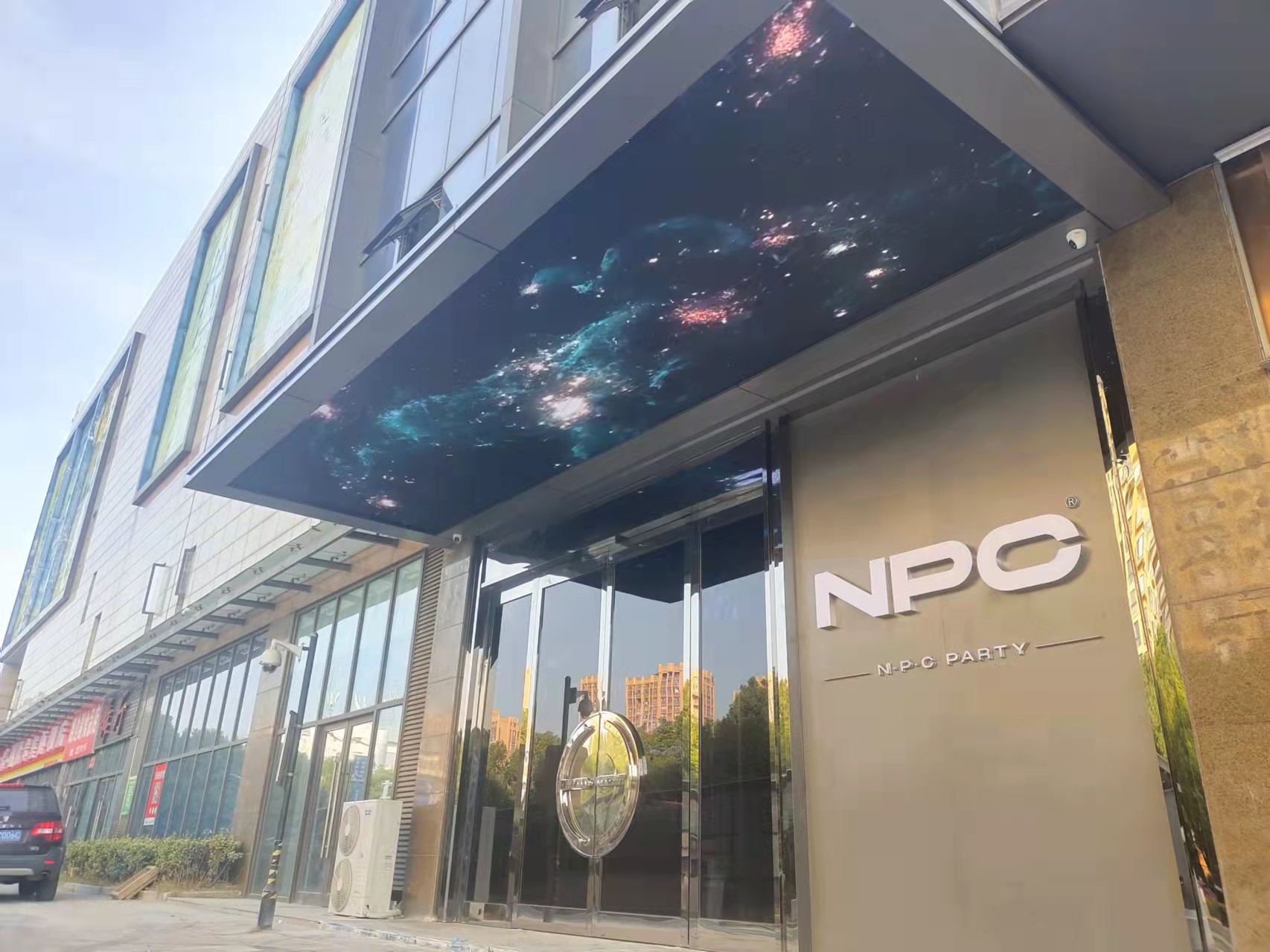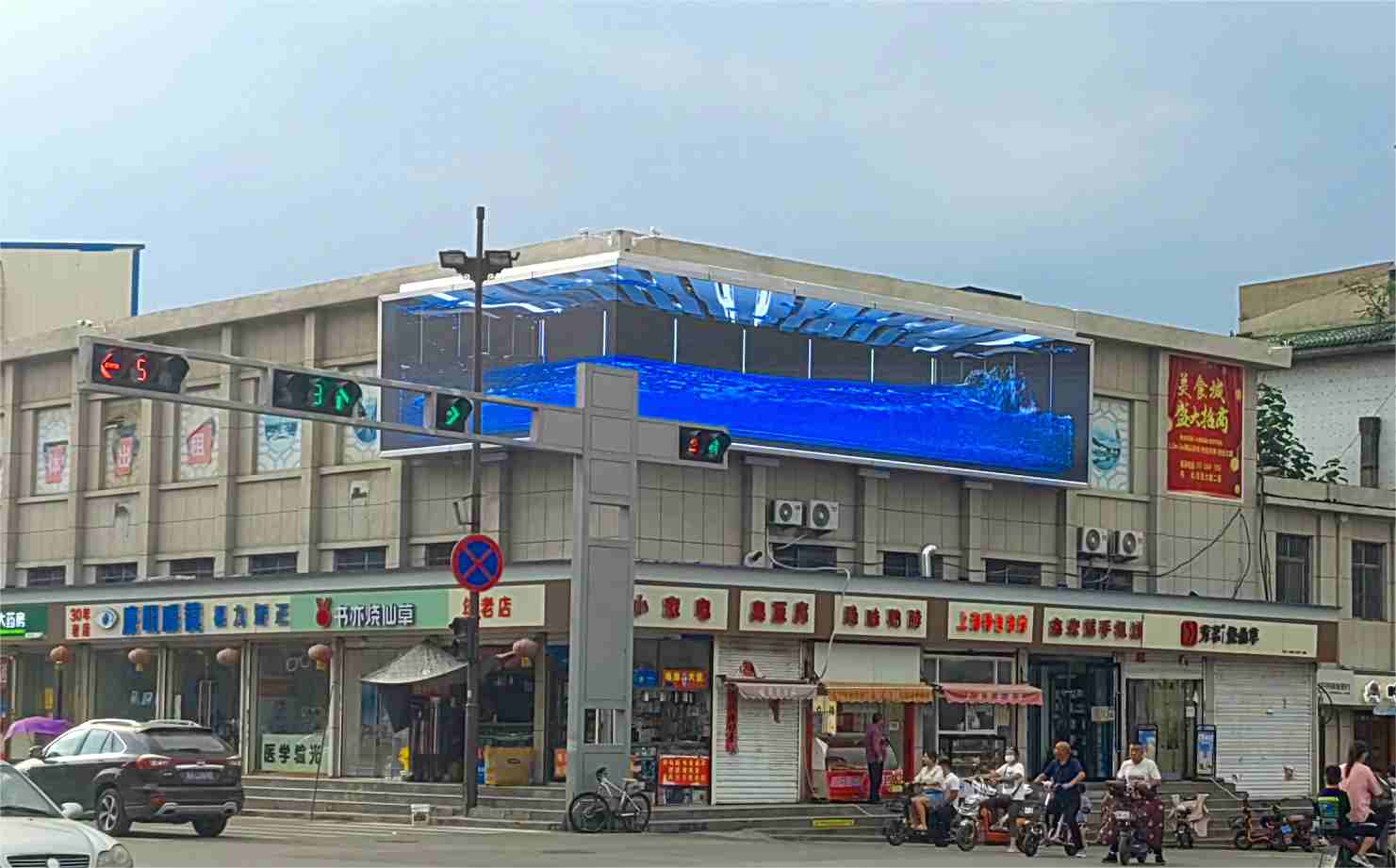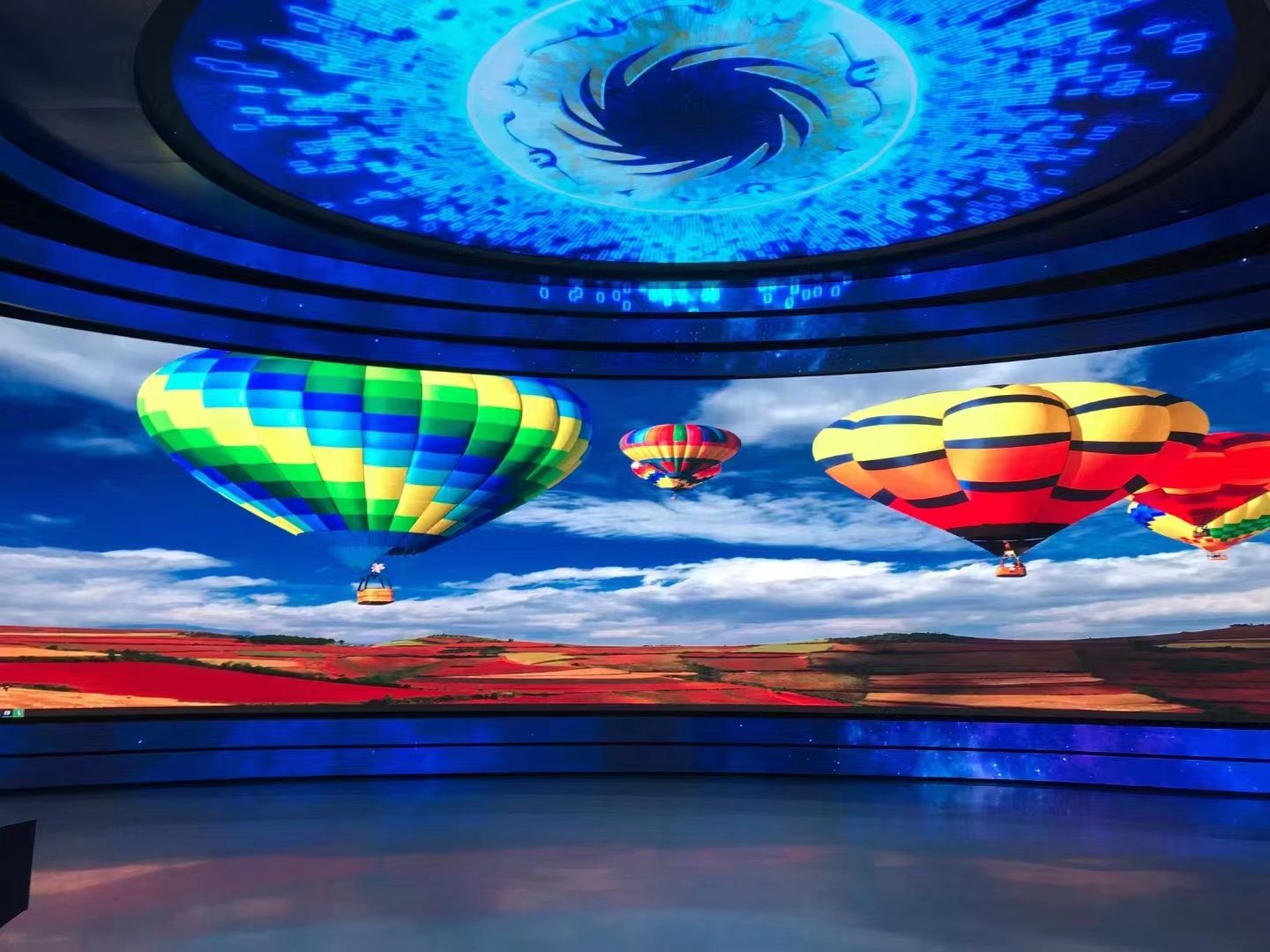
There have been significantly more people asking about transparent screens in the past two years. Shopping mall windows are using them, technology exhibition halls are using them, and even milk tea shop fronts have begun to use them. I have been working on commercial display equipment for eight years and have handled hundreds of transparent screen projects. Today I will not talk about the fancy parameters. I will only talk about the price issues and model selection issues that the public is most concerned about.
How much does a square meter of transparent screen cost?
There is really no way to determine the price. It is also a one square meter product, and its price range is relatively large, ranging from 3,000 to 20,000. The difference is reflected in the technical route and brightness, and the different performance characteristics bring about price differences. There are two mainstream similar products on the market, namely LED transparent screens and LCD transparent screens.
The LED transparent screen presents a transparent visual effect like a gauze net, and its permeability can reach more than 70%. With this characteristic, it is suitable for large-area glass window displays, and its price is usually between 5,000 and 15,100 square meters. The LCD transparent screen has the appearance of a whole glass panel, but its permeability is only about 40%. Although its performance in terms of permeability is not as good as that of the LED transparent screen, fortunately, its display effect is delicate and more suitable for close viewing. Its price is between 10,000 and 20,000.
Another thing that is easily overlooked is brightness. The light inside the mall is relatively strong. If the brightness of the screen is lower than 3000 nits, it will look gray during the day. Many customers only compare the unit price, but they do not know that for every 1000 nits increase in brightness, the cost will increase by about 20%. I have seen the most outrageous cases. Customers want to buy low-brightness screens at low prices and install them in the atrium. As a result, they cannot see clearly during the day. It was eventually dismantled and reinstalled, costing double the money.
Factors that affect the final quotation include the installation method. Embedded installation requires slotting and making a frame, which is much more expensive than hanging installation. In terms of control systems, the cheapest ones cost several hundred yuan, while those that support remote cluster control cost three to four thousand. Adding these miscellaneous items together, the cost of one square meter is often 15 to 20 percent higher than the price of a bare screen.
What kind of shopping mall windows are best?
First of all, you need to think carefully about what you want to display behind your window. If it is a small product such as jewelry and watches, it is recommended to use a transparent LCD screen. Even if the transparency is slightly lower, it is not a big deal, but the image quality must be fine and soft, so that customers can clearly see the details of the product through the glass. For large items such as clothing and cars, LED transparent screens are more suitable. They have high transparency, will not block the line of sight, and can be spliced and combined in large areas.
There is a key detail that many people don’t know. There must be light behind the transparent screen. The transparent screen itself does not emit light. It relies on LED beads to emit light and display content. If there is no lighting behind it, the screen will appear extremely dim. So when choosing a location, be sure to confirm that there are spotlights or natural light behind the window. I once saw a customer install a transparent screen on a corridor wall with a very dark backlight. The effect could not be worse.
Maintenance costs also need to be calculated. For LED transparent screens, if the lamp beads are damaged, they can be replaced individually. However, once there is a problem with the LCD transparent screen, it basically needs to be returned to the factory in its entirety. The environment in the shopping mall is dusty, and the gaps in the LED screen are easy to accumulate dust, so it is best to choose one with a protection level of IP65 or above, which can be directly washed with water. In addition, as for the control system, it is recommended to choose one that can support scheduled power on and off. Because the shopping mall's business hours are fixed, this can save a lot of electricity bills.
In the final analysis, the more expensive the transparent screen is, the better it is. The transparent screen that suits your own scene is the most suitable. If you are only holding a short-term event, then renting a transparent screen will be more cost-effective than purchasing it; if you are conducting a long-term display, it is recommended to move closer to the mid-to-high end in terms of budget. Before placing an order, be sure to ask the manufacturer to send the prototype to the site for testing, and make a final choice based on the effect under actual light.