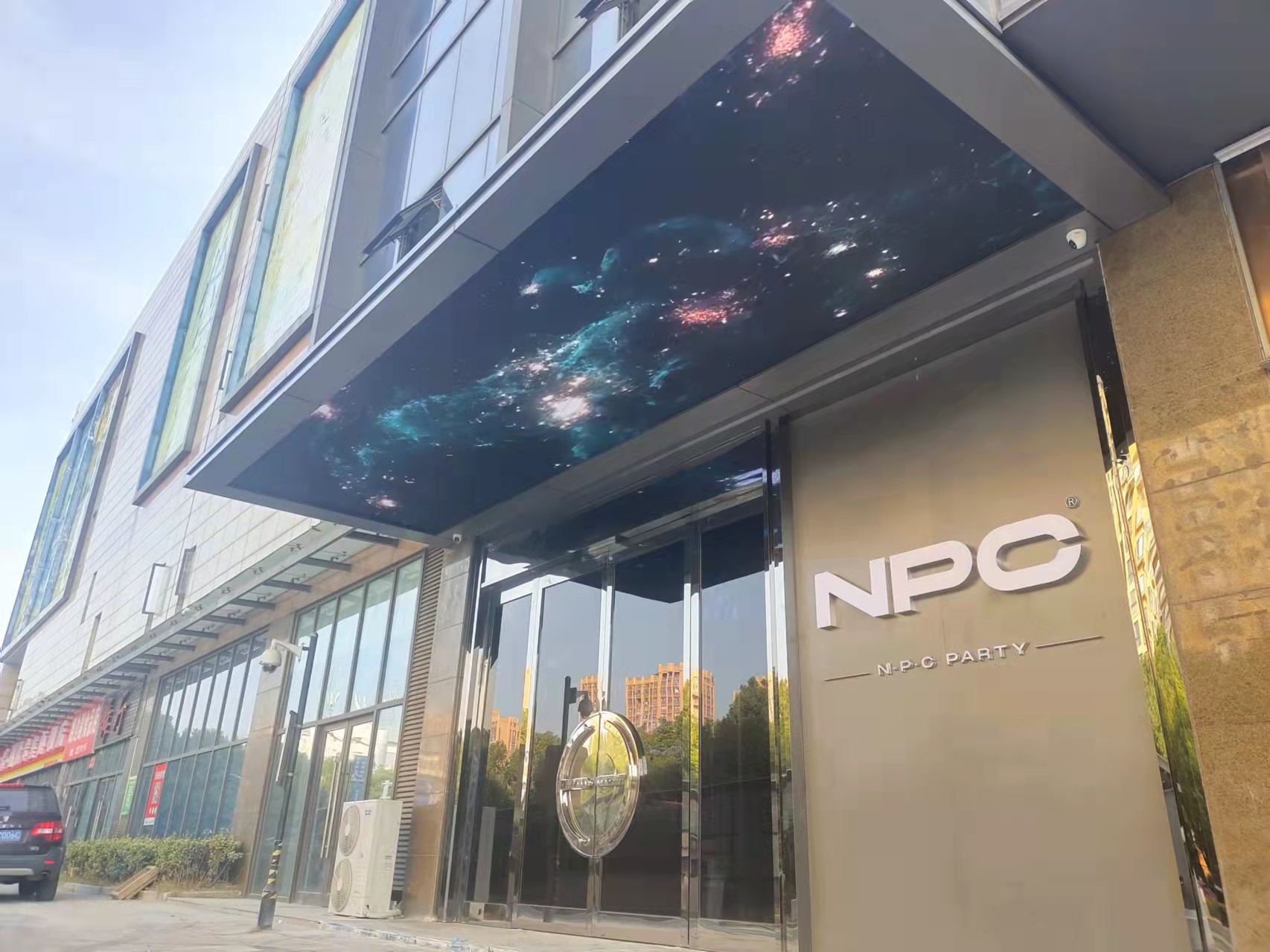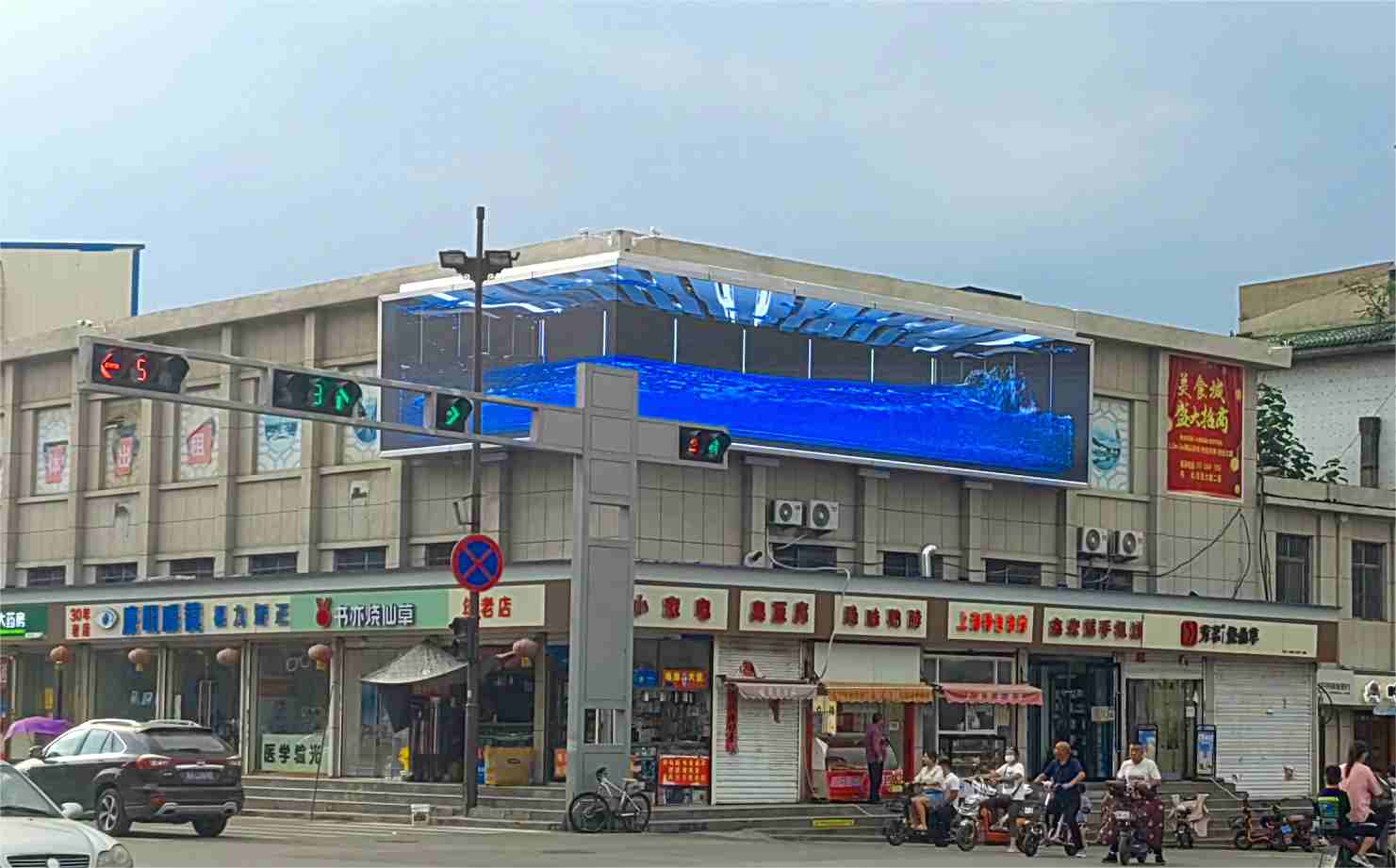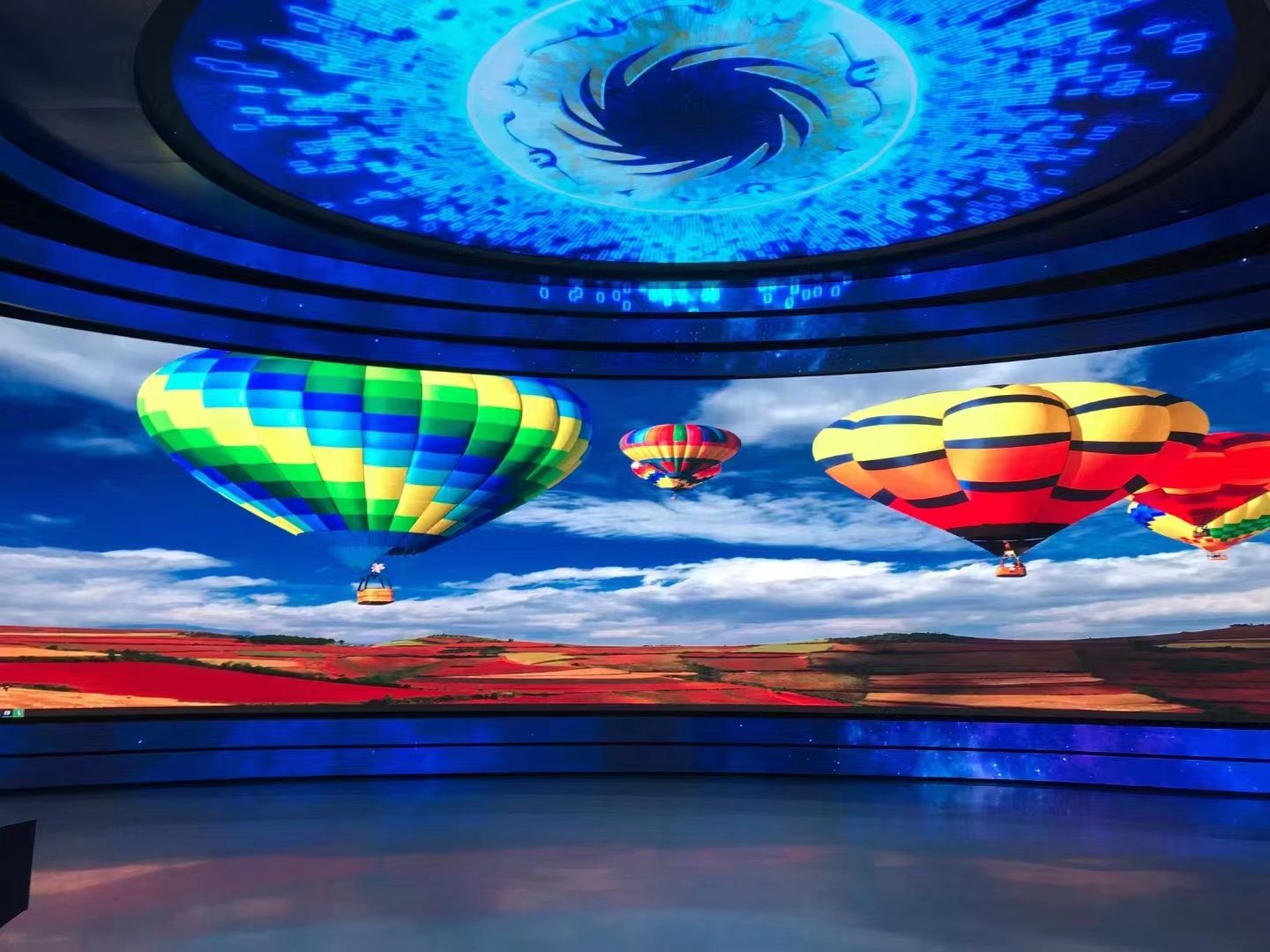
When I was shopping recently, I accidentally noticed that many trendy brand stores and digital display areas are using a unique screen, which looks like air. It has powerful functions that can clearly display various products and play videos smoothly. In this way, the visual impact of the entire space is significantly enhanced. When many people see this kind of transparent display screen for the first time, their first reaction is often curiosity, eager to know how it achieves such a unique effect; and their second reaction is usually involuntarily worried about their wallets, worried that the installation and maintenance costs will be too high than imagined.
In fact, the appearance of this transparent display is not just to show off technology, it is also an extremely efficient way used by the retail and display industries to compete fiercely for consumers' attention. For merchants, how to maximize the efficiency of information transmission within a limited space while maintaining the unique high-end feel of the store is their core appeal for using transparent screens.
What is the principle of a transparent screen? Can you really see clearly from behind?
Many people mistakenly believe that transparent screens are just pure glass plus LED lights. In fact, its technical principles are much more complicated. The current mainstream solutions cover OLED organic light-emitting diode technology and LCD liquid crystal plus backlight module technology. Since OLED does not require a backlight layer and the pixels can emit light by themselves, they can directly turn off the pixels when displaying black, thereby achieving extremely high light transmittance and making the picture extremely transparent. The LCD transparent screen adds a special layer of polarizer and light guide plate in front of the liquid crystal panel, allowing light to penetrate through precise optical processing.
In actual application scenarios, light transmittance is one of the key indicators for measuring performance. A transparent screen with high-quality characteristics can have a light transmittance of more than 70%, which in turn points to a situation where when the screen is turned off or a light-colored background is displayed, the audience can almost clearly see the exhibits behind it through the screen. However, if there are items in the back with messy colors or dim light, the display effect will be greatly reduced. Therefore, when merchants plan their stores, they must consider the matching of the background environment. Otherwise, even the most expensive screen will not be able to present the quality it should have.
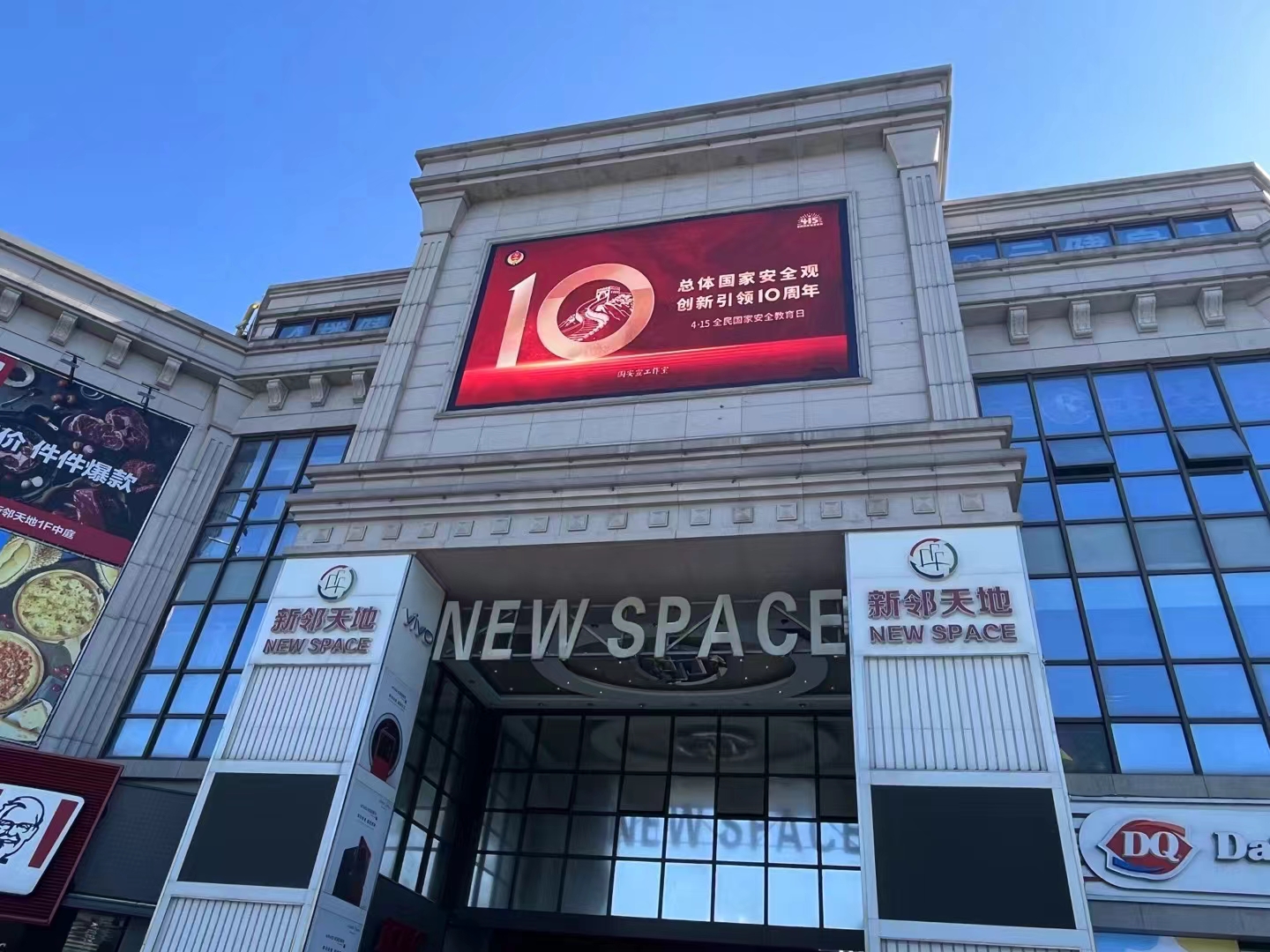
Which scenarios are transparent screens suitable for? Is the installation cost high?
The application scenarios of transparent screens are extremely wide. It can be seen in the window displays of high-end shopping malls, in the cultural relic interpretation areas of museums, in the model introduction areas of automobile 4S stores, and even on the smart decorative walls of home living rooms. Its most prominent advantage is that it does not occupy physical space and achieves an interactive experience that combines virtuality and reality. When customers browse products, the parameters and video introductions superimposed on the screen will not block their sight. This seamless experience greatly improves the conversion rate.
Speaking of cost-related issues, the actual price of transparent screens is indeed higher than ordinary displays, but compared with traditional large-scale LED billboards or complex interactive devices, its cost-effectiveness will be higher. Especially for those small stores, installing a customized transparent screen can not only save decoration materials, but also improve the sense of technology. In terms of later maintenance, since it does not have a complicated mechanical structure, the failure rate is relatively low. You only need to pay attention to heat dissipation and dust prevention. As long as appropriate brightness parameters are selected to adapt to the indoor light, its service life can often last more than 50,000 hours, which is a very cost-effective investment in the long run.
Transparent screens have unique advantages in terms of cost considerations. Their prices are higher than ordinary displays. However, compared with traditional large-scale LED billboards and complex interactive devices, they have significant cost-effective advantages. For smaller stores, customized transparent screens can effectively save decoration material costs and at the same time add a technological atmosphere to the store. In the post-maintenance process, since there is no complex mechanical structure, the failure rate is low. Just focus on heat dissipation and dust prevention. If the brightness parameters are reasonably selected to adapt to the indoor light, its service life can reach more than 50,000 hours, which is a worthy investment in the long run.