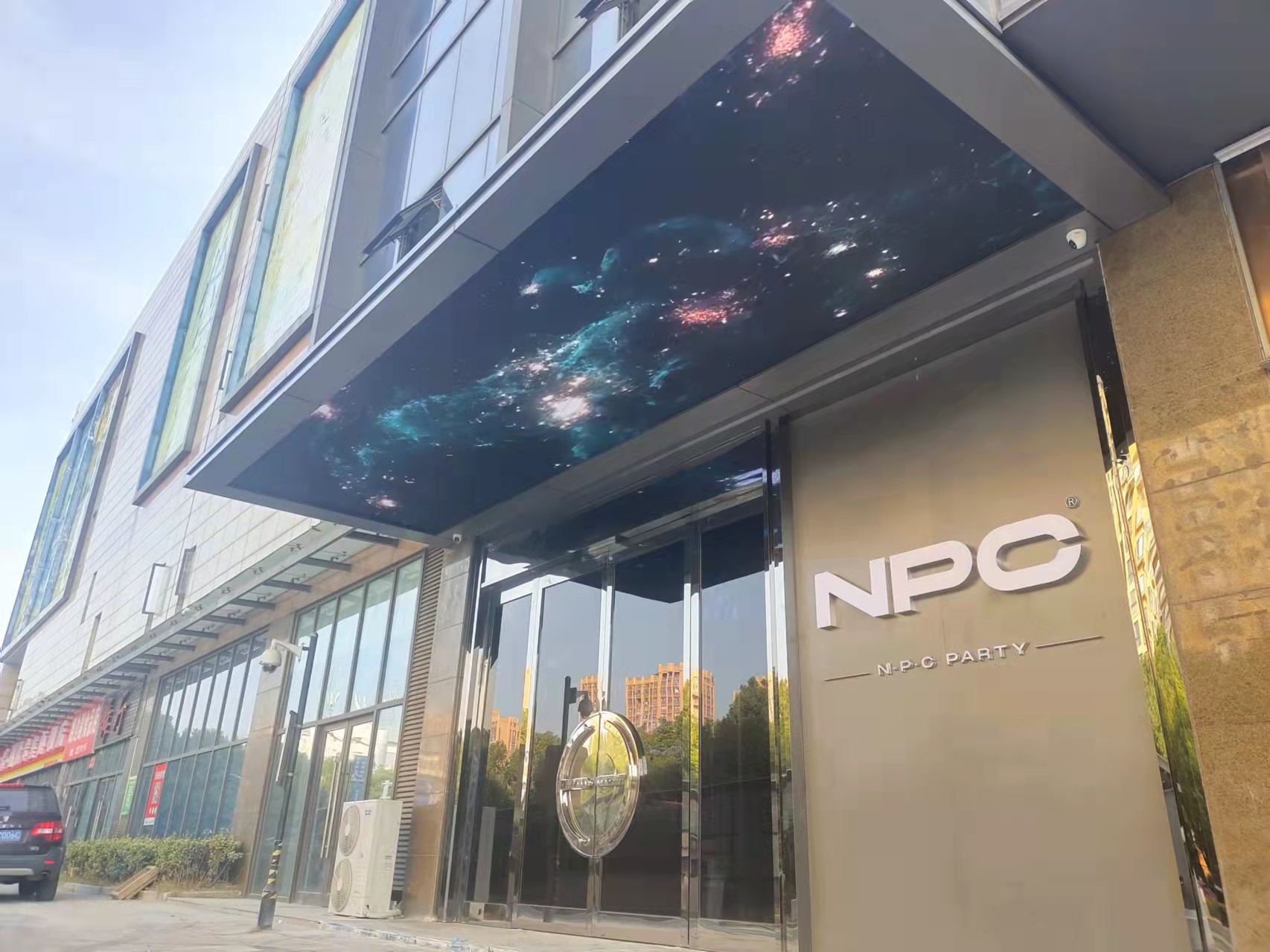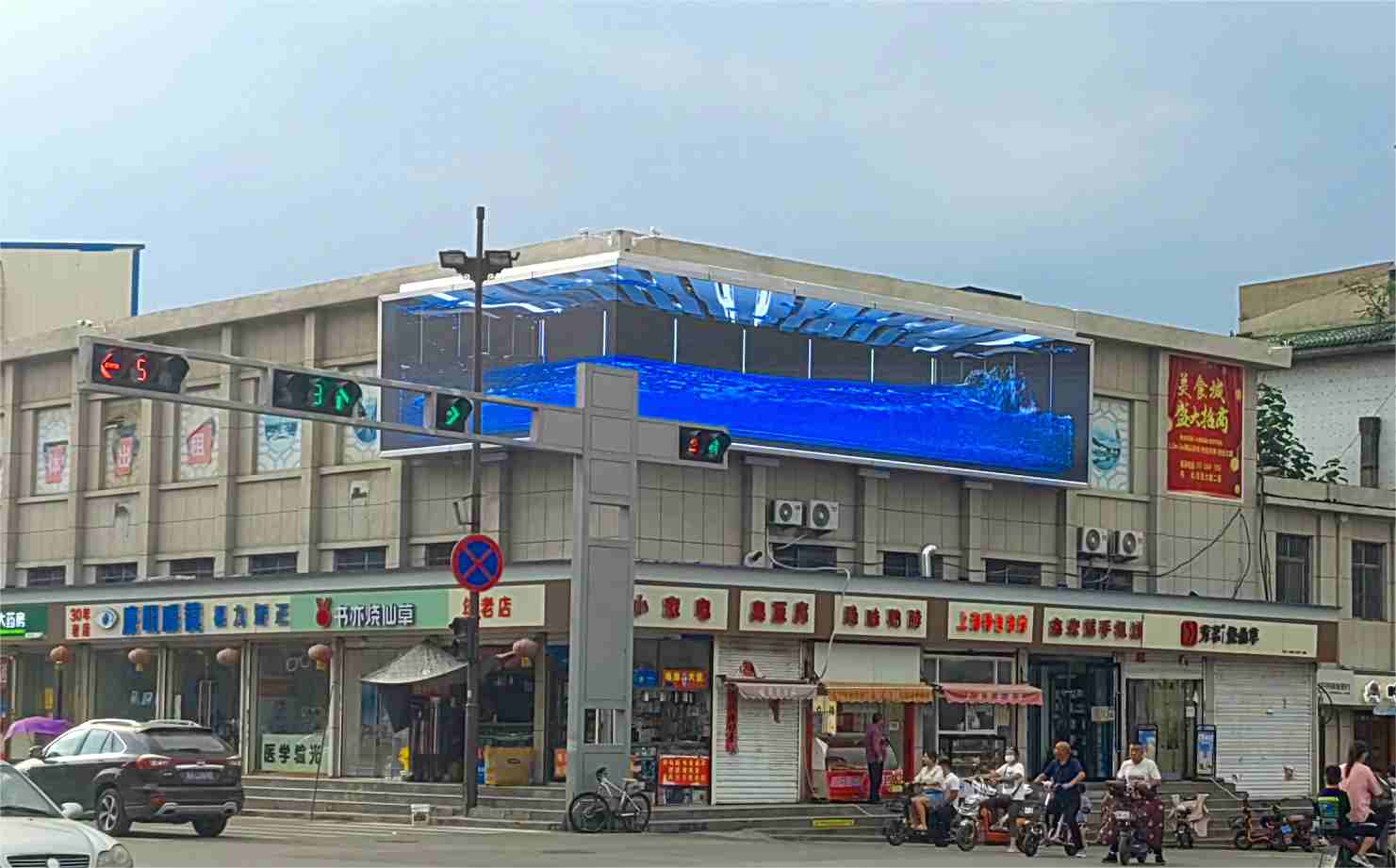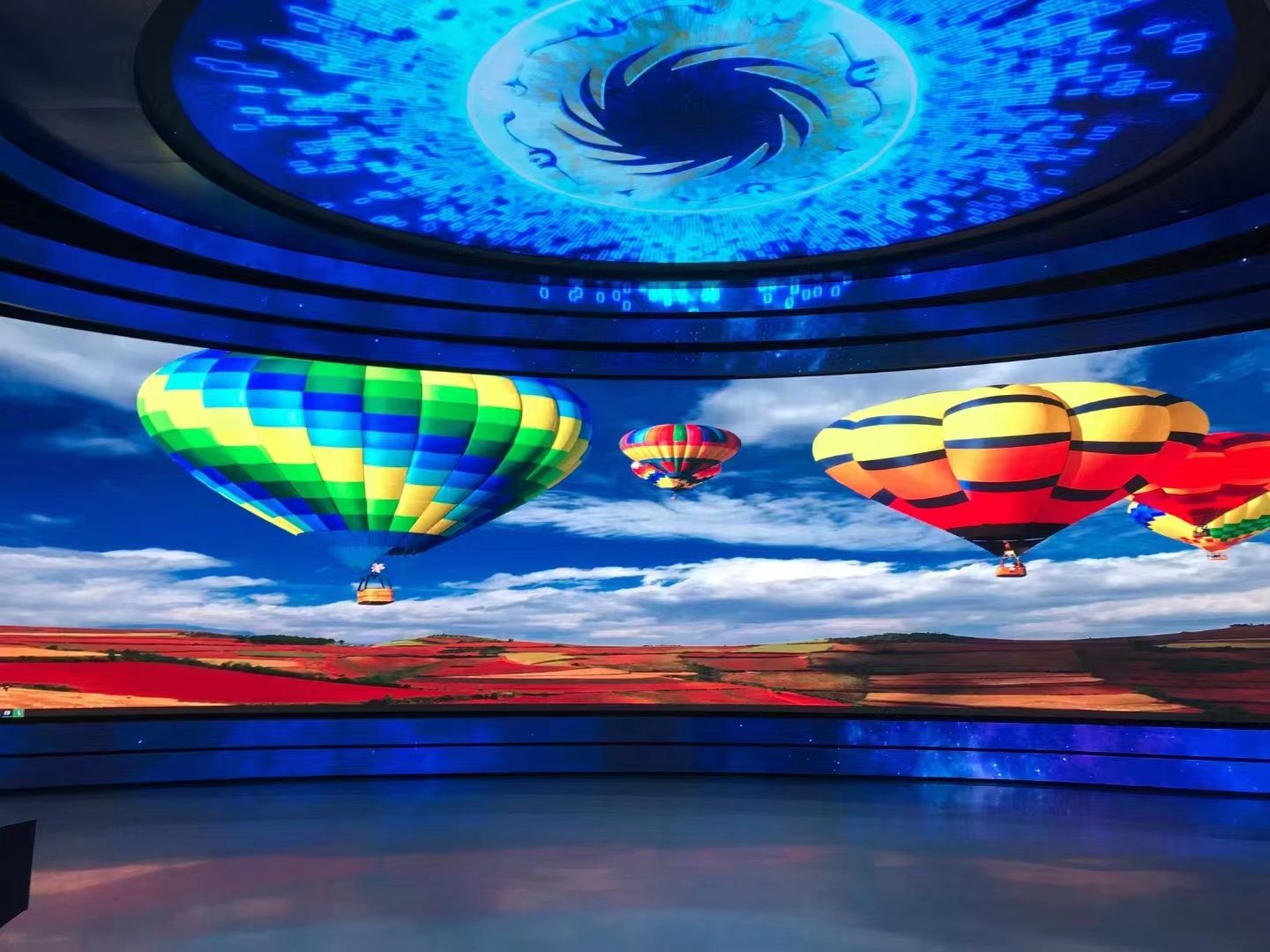
In recent years, the popularity of transparent screens has soared in the field of commercial display. Many people will be impressed by its strong sense of technology when they first see the LED screen suspended in the air. But I believe that this technology is not just a visual gimmick, but actually redefines the relationship between "space" and "information". Unlike traditional advertising screens that occupy valuable sight resources, it restores the glass to its original shape and makes the screen an organic part of the environment. For commercial spaces that pursue the ultimate experience, this is not only a screen, but also a significant upgrade in space aesthetics.
In recent years, the popularity of transparent screens has soared significantly in the field of commercial display. When many people see the LED screen suspended in the air for the first time, they will be deeply attracted by the strong sense of technology. However, I hold this view. This technology is not just a simple visual gimmick, but a reinterpretation of the relationship between "space" and "information". It does not occupy precious sight resources like traditional advertising screens, but restores the glass to its original appearance and allows the screen to blend into the environment. For commercial spaces that pursue the ultimate experience, this is not only a screen, but also a significant upgrade in space aesthetics.
Is the installation cost of transparent screen high?
When many bosses consult, what they are most concerned about is the price. This is indeed the case. Compared with ordinary LCD or OLED displays, the cost per unit area of transparent screens is significantly higher. This is mainly because the pixel spacing is larger and special base materials are required to ensure light transmittance. Under normal circumstances, the price per square meter for common specifications such as P3.9 to P5.2 ranges from a few thousand yuan to tens of thousands of yuan. The specific price will vary depending on the brightness and refresh rate requirements.
However, whether this investment is valuable depends on the specific application scenario. If it is used in places such as high-end jewelry stores, luxury goods counters or technology showrooms, then this higher initial cost can often be quickly recovered with the brand premium.
Different from hardware procurement, installation and maintenance are also hidden costs. Transparent screens generally use modular design, which facilitates splicing and maintenance. However, if they are installed outdoors or in high-traffic areas, heat dissipation and dustproof treatment must be additionally considered. Some businesses choose low-end products to save costs. In the end, they find that the brightness is not enough, and the screen cannot be seen clearly during the day, but it causes a waste of resources. Therefore, when planning the budget, Not only do you have to calculate the cost of purchasing the screen, but you also have to calculate the power supply, control system, and subsequent electricity and maintenance fees.
Can physical store decoration attract customers?
In terms of marketing effect, the most prominent advantage of transparent screens is "non-sensory display". Imagine that when customers pass by the window, they see exquisite and beautiful product displays in the store. At the same time, promotional information or brand stories appear on the glass surface. This virtual and real experience is very impactful. It will not block the line of sight like traditional posters, nor will it cause visual fatigue like TV walls. In shopping mall atriums or subway station advertising spaces, transparent screens can make use of existing building structures. Creates an amazing naked-eye 3D effect, instantly attracting the attention of passers-by.
More importantly, it can enhance the style of the store. When consumers enter a store using transparent screens, they will subconsciously assume that this store focuses on innovation and technical strength. This psychological hint is particularly effective for young consumer groups. Of course, content creativity is key. If the picture looks rough or the update is not timely enough, no matter how good the equipment is, it cannot save the situation. Merchants need to regularly plan interesting interactive content so that viewers are willing to stop and watch or even participate. Only in this way can they effectively convert traffic into sales.
Transparent screens are not a panacea for all problems, but they are a powerful tool that can enhance the quality of a commercial space. The key point is whether you have a clear understanding of your own needs and whether you have sufficient budget to support high-quality presentation.