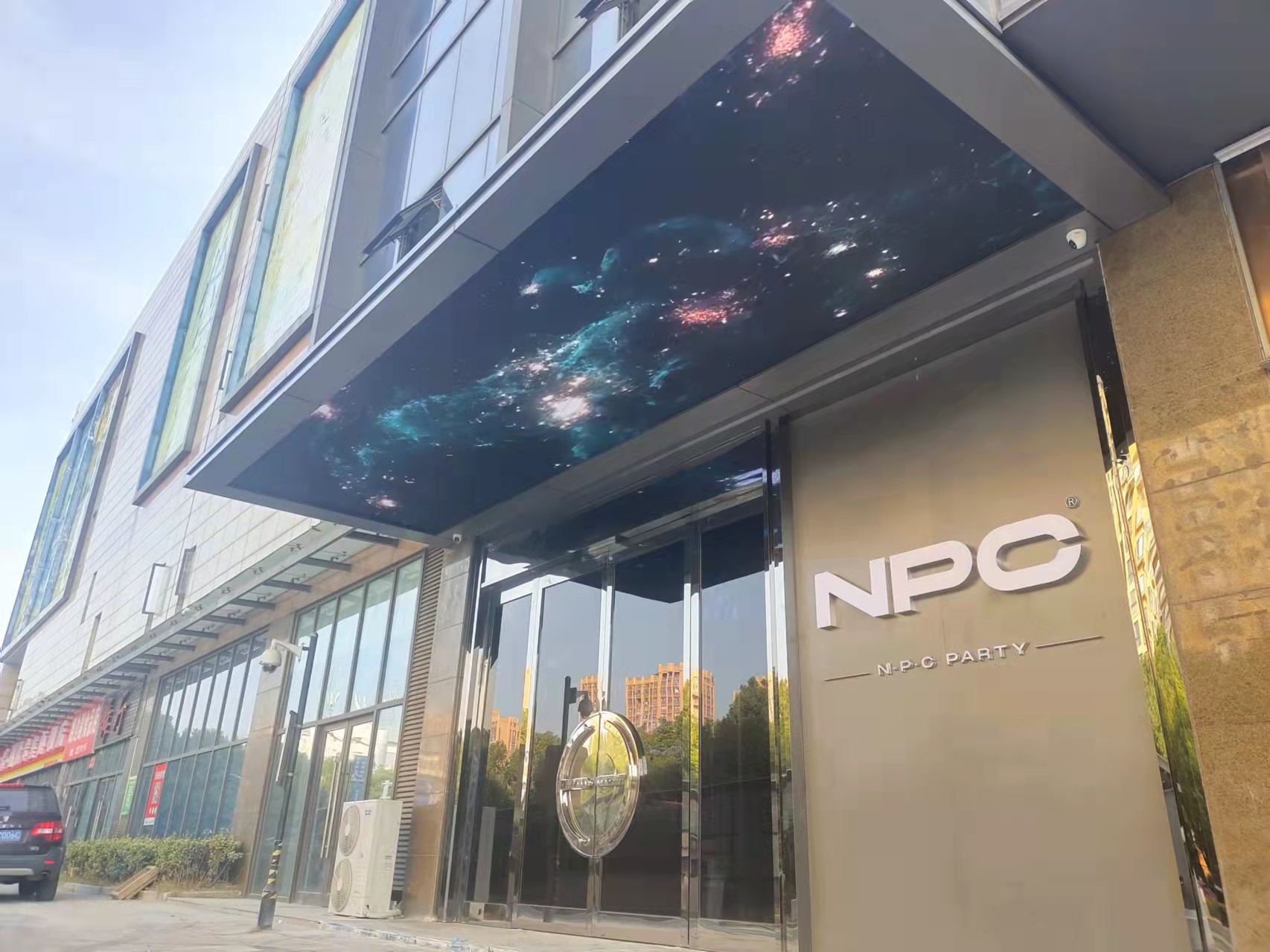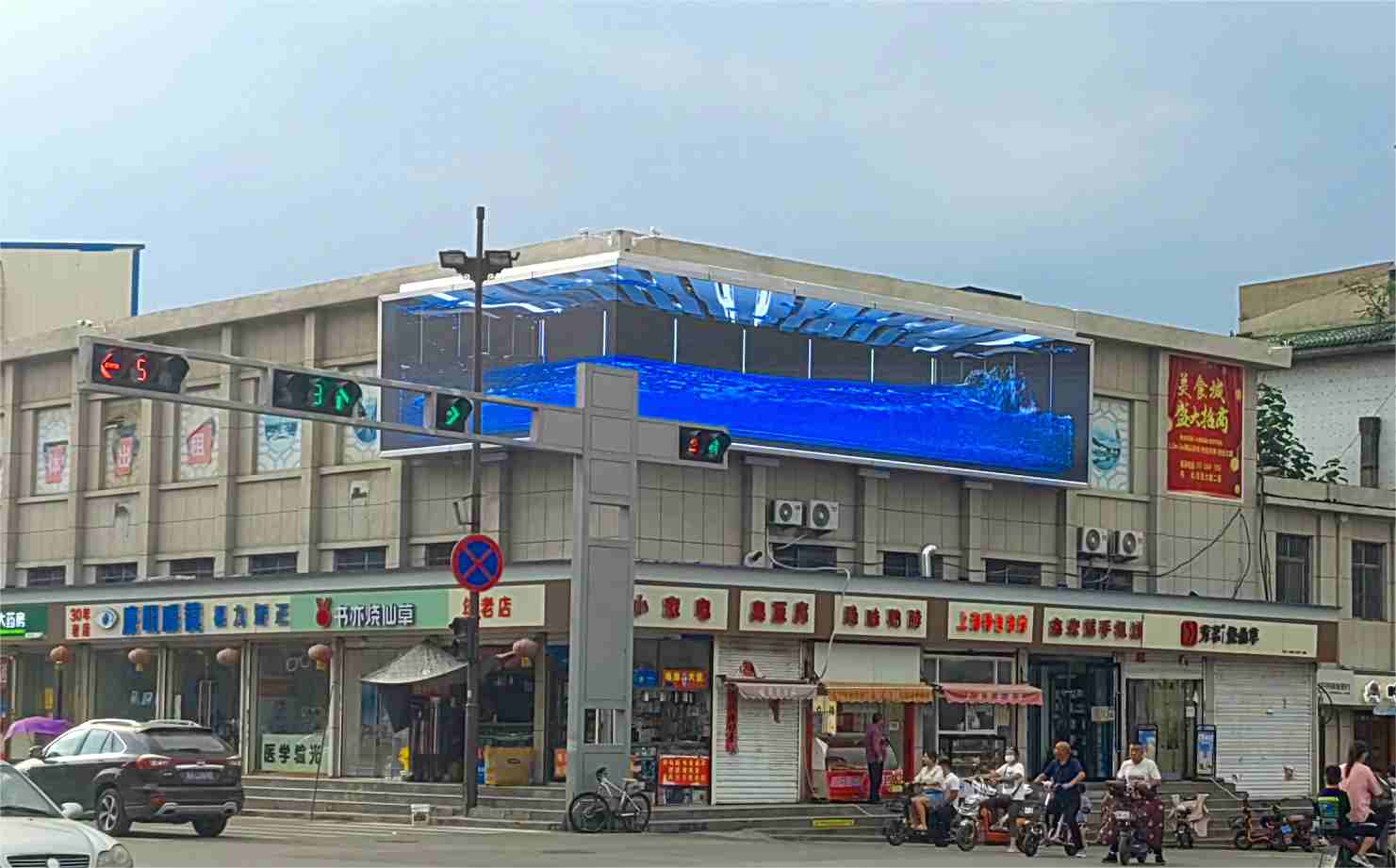
In recent years, transparent screens have appeared increasingly frequently in shopping mall windows or exhibition halls, and they have also begun to be prominent in restaurants. It successfully transforms the original ordinary glass into a screen with the function of displaying information. It can smoothly play advertisements and clearly present product information without affecting the penetration of sight.
This unique technology is not an ordinary display screen, but an ingenious display solution, which is to cleverly inlay LED lamp beads on a transparent substrate. As soon as the power is turned on, the picture will appear clearly; after the power is turned off, it can quickly return to its original transparent state. When many people see a transparent screen for the first time, their eyes light up because of its novelty and specialness. However, what really has the effect of prompting merchants to willingly spend money is the real conversion effect it brings.
Can installing transparent screens really increase sales?
This issue is of greatest concern to merchants. Transparent screens are directly attached to the window glass. Passers-by can clearly see the products in the store through the glass. At the same time, promotion-related information, product details, or video introductions are scrolling on the screen. Traditional windows can only rely on static display to attract other people's attention. However, transparent screens can achieve dynamic display and presentation, and their visual impact is much stronger than traditional windows. Feedback from clothing store owners shows that after installing transparent screens, the rate of entering the store has increased by nearly 30%. This is because people passing by will be attracted by the dynamic pictures and stop to look at them for a few more seconds. This step of staying increases the possibility of entering the store.
More importantly, the transparent screen will not block the line of sight, and customers can still see the layout of the store and the actual appearance of the products. This kind of combination of reality and reality is more natural than just placing a TV in the window.
The catering industry will also use it to put menus and dish videos on transparent screens. Customers can see attractive food scenes at the door. At the same time, they can also see the specific dining environment in the store through the screen. Such an intuitive display can reduce the length of hesitation and directly prompt customers to enter the store for consumption. The installation location of the transparent screen is flexible, it can be pasted on the glass, it can also be suspended, and it can even be built into an interactive device to attract customers to participate.
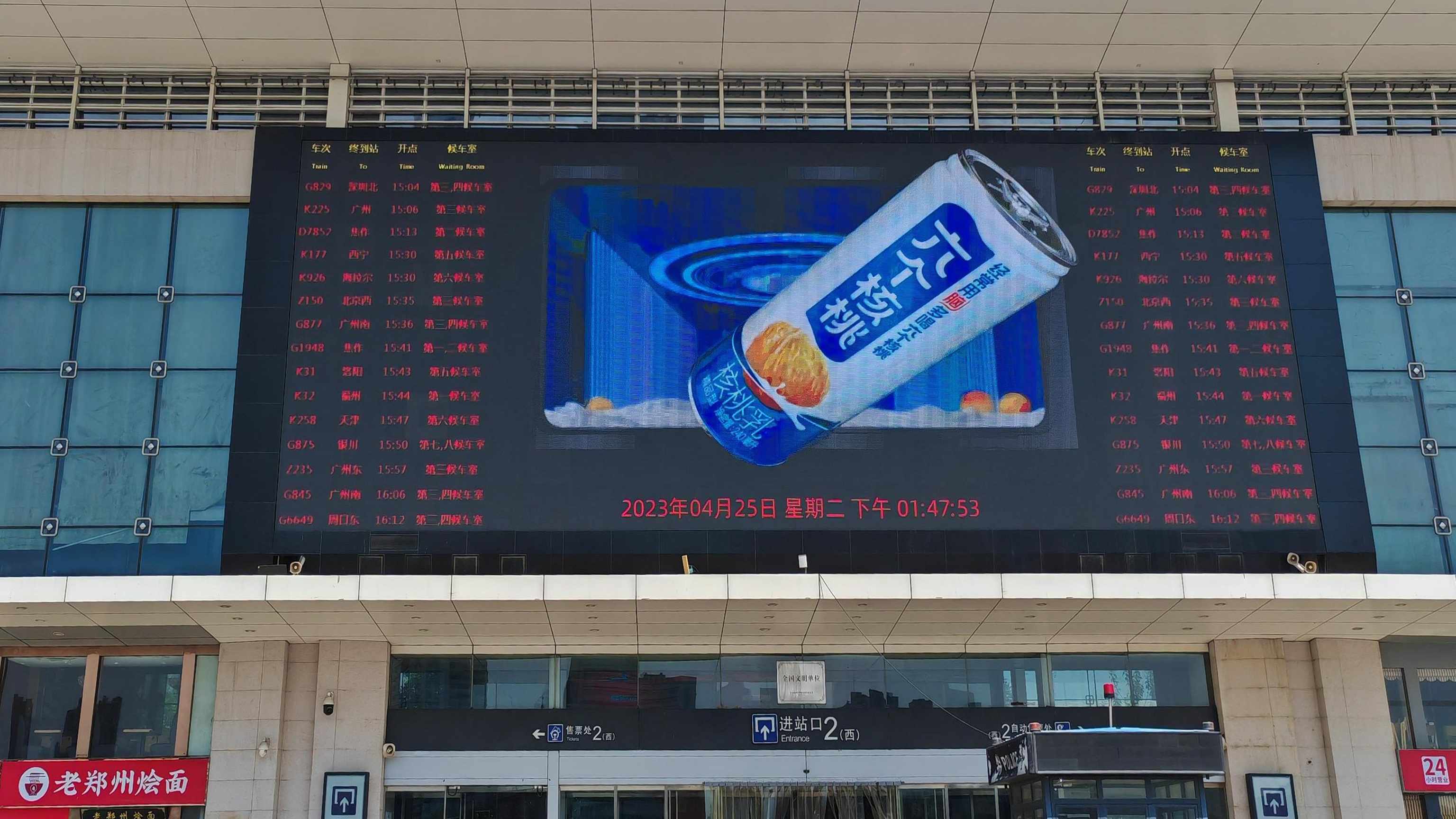
What is the difference between a transparent screen and an ordinary screen?
The general screen is not transparent. Once installed, it will block everything behind it. This feature makes it more suitable to be placed indoors to play related content. The transparent screen is completely different. It is like a piece of glass, through which everything in front of the device can be clearly seen. It is precisely because of this unique characteristic that transparent screens show unusual and outstanding practicality in the field of commercial display. For example, in a jewelry store, a transparent screen is placed in the counter, and the screen floats slightly above the gems. In this case, customers can clearly see the details of the jewelry, and can also smoothly see information such as the price and material of the jewelry. Ordinary screens cannot do this. It will ruthlessly block the customer's line of sight, thereby destroying the overall sense of the entire display.
In addition, the transparent screen has a high brightness, and the picture can be clearly seen when you are in an indoor environment. It can also be viewed clearly even in an outdoor strong light environment. Many transparent screens adopt high light transmittance designs, and the light transmittance can reach more than 70 or 80%. They still have good display effects without affecting the line of sight.
From a maintenance perspective, transparent screens usually adopt a modular structure design. Once one of the units is damaged, it can be replaced individually, unlike ordinary screens, which must be replaced as a whole once damaged. This design effectively reduces the cost of long-term use. Many businesses will choose to rent or pay in installments to install transparent screens. In this case, the pressure caused by the initial investment will be relatively small.
What can change the way commercial spaces are displayed is transparent screens, which break the boundaries between screens and glass, making information display more natural and efficient. For merchants who want to enhance the attractiveness of their stores, this is an option worth considering.