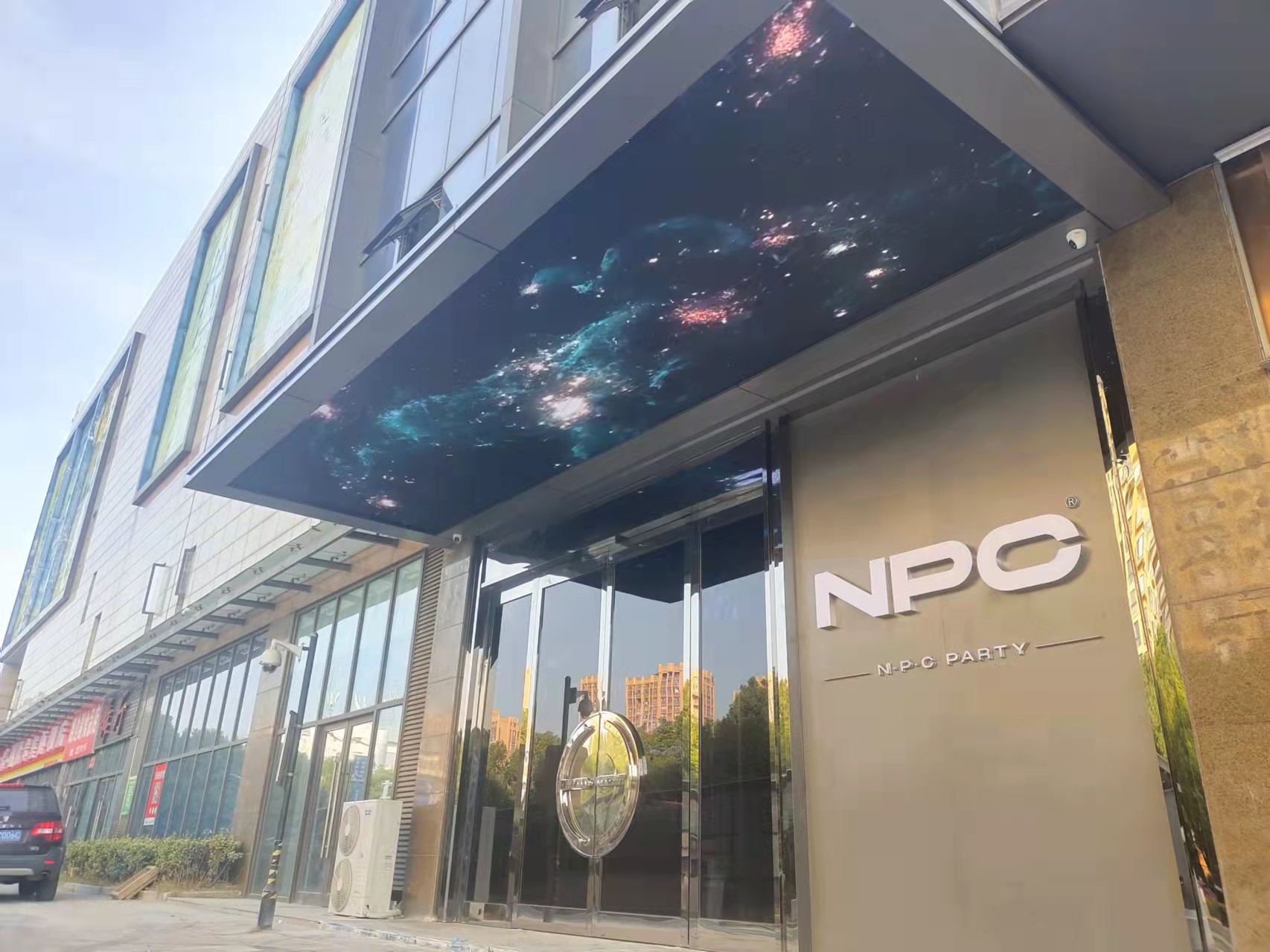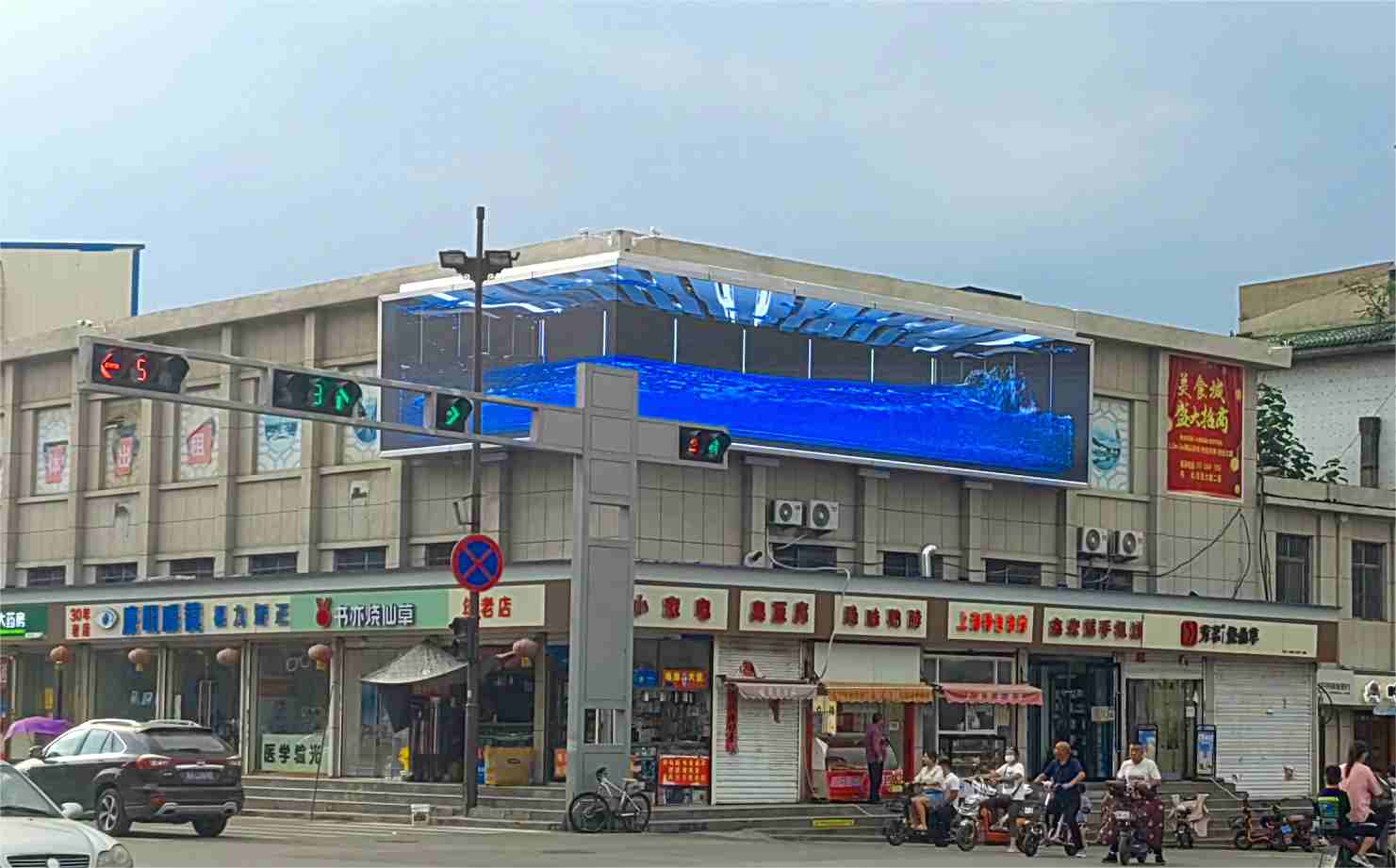
The screen is a transparent one. From the name, it is intuitively understood that it is a screen that looks like glass and has the function of displaying pictures. Normally, it can remain transparent, allowing objects behind it to be clearly displayed in front of everyone's eyes without any hindrance. Once powered on, text, pictures or videos will appear on it. This technology is not something that only exists in science fiction movies, but is a real product that has been put into practical use.
When many people see a transparent screen for the first time, they are often surprised to think that it is as strange and strange as "magic". But in fact, it relies on special display materials, such as OLED, liquid crystal or LED light strips, to achieve such a unique display effect.
Is the display effect of the transparent screen clear?
Many people worry that transparent screens will be as blurry as matte glass. In fact, today's transparent screen technology has reached a very mature level, and even in a high-light environment, the displayed content can still be clearly seen. Take the transparent advertising cabinet in the shopping mall as an example. When you stand more than one meter away from it and look at it, the picture and the background appear to be superimposed, and the text and patterns appear particularly sharp. Unlike traditional screens, it does not completely block the background, but allows viewers to see two layers of information at the same time.
However, you have to pay attention to the fact that the black part of the transparent screen cannot present a pure black effect like an ordinary screen, but will have a slight sense of light transmission. However, in a strong light environment, this becomes an advantage. The reason why I say this is that the background light can make up for the corresponding brightness.
In terms of experience, transparent screens are more suitable for displaying "embellished information". For example, in a store window, the name and price of the product are placed on the model, and the real objects in the background can be visually compared. At first glance, users will first be attracted by the physical object, and then see the text jumping on the screen. Such a sense of hierarchy cannot be achieved by traditional posters.
Where are transparent screens generally used?
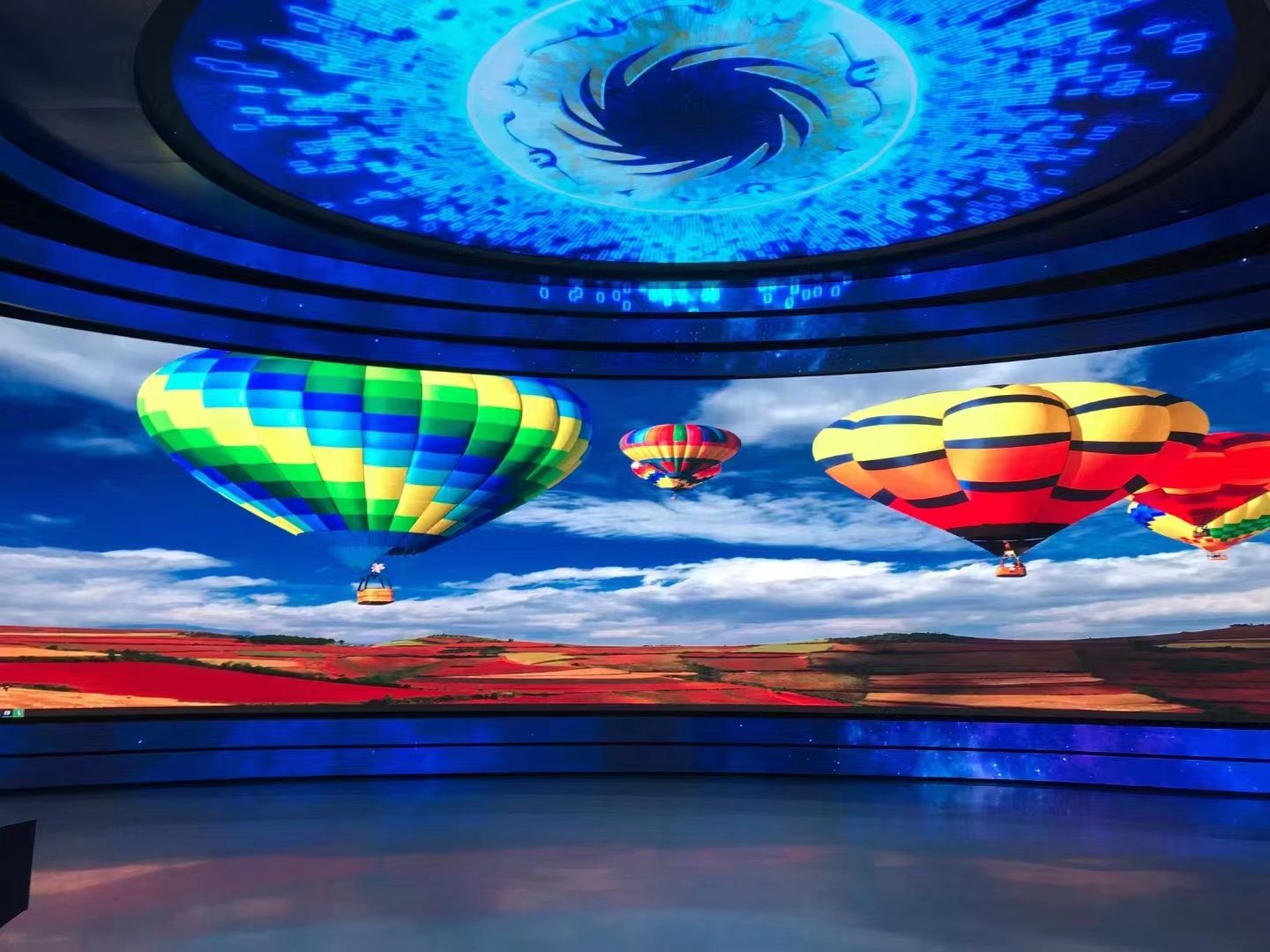
In actual scenarios, the most widely used field of transparent screens is commercial displays, such as jewelry stores, mobile phone stores, and car 4S stores. This is because these industries have unique needs, that is, they need to clearly display products and present relevant information conveniently. Take watch counters as an example. When viewing watches through glass, transparent screens can directly display key information such as movement parameters and prices on the glass, so consumers do not need to look for shopping guides to ask for details.
In large shopping malls, transparent screens have another practical function. They can be used as partitions. One side is the corridor where people come and go, and the other side is the product display area. When pedestrians pass by, advertisements will automatically pop up on the screen, thereby effectively attracting the attention of pedestrians and adding more vitality and attraction to the commercial display.
Another important area is museums and exhibition halls. Exhibits are placed behind transparent screens. The screens will play animations of restored cultural relics. The audience can see the authentic products and dynamic explanations at the same time. It is more common in technology exhibitions. Transparent screens are directly used as "windows of the future." After touching, the scenery outside the window will be transformed into an interactive interface. For users, the biggest benefit of transparent screens is that they do not take up additional space and turn the original glass surface into an information portal.
From a technical perspective, the lifespan of a transparent screen is almost the same as that of an ordinary screen, and its energy consumption is also close to that of an ordinary screen. Its price is currently on the high side, but with the continuous expansion of production scale, the cost is falling rapidly and continuously. If you are thinking about decorating your store or upgrading your showroom, transparent screens can be a choice that can instantly grab everyone’s attention. After all, only things that can make people stop moving forward can be called high-quality advertising.