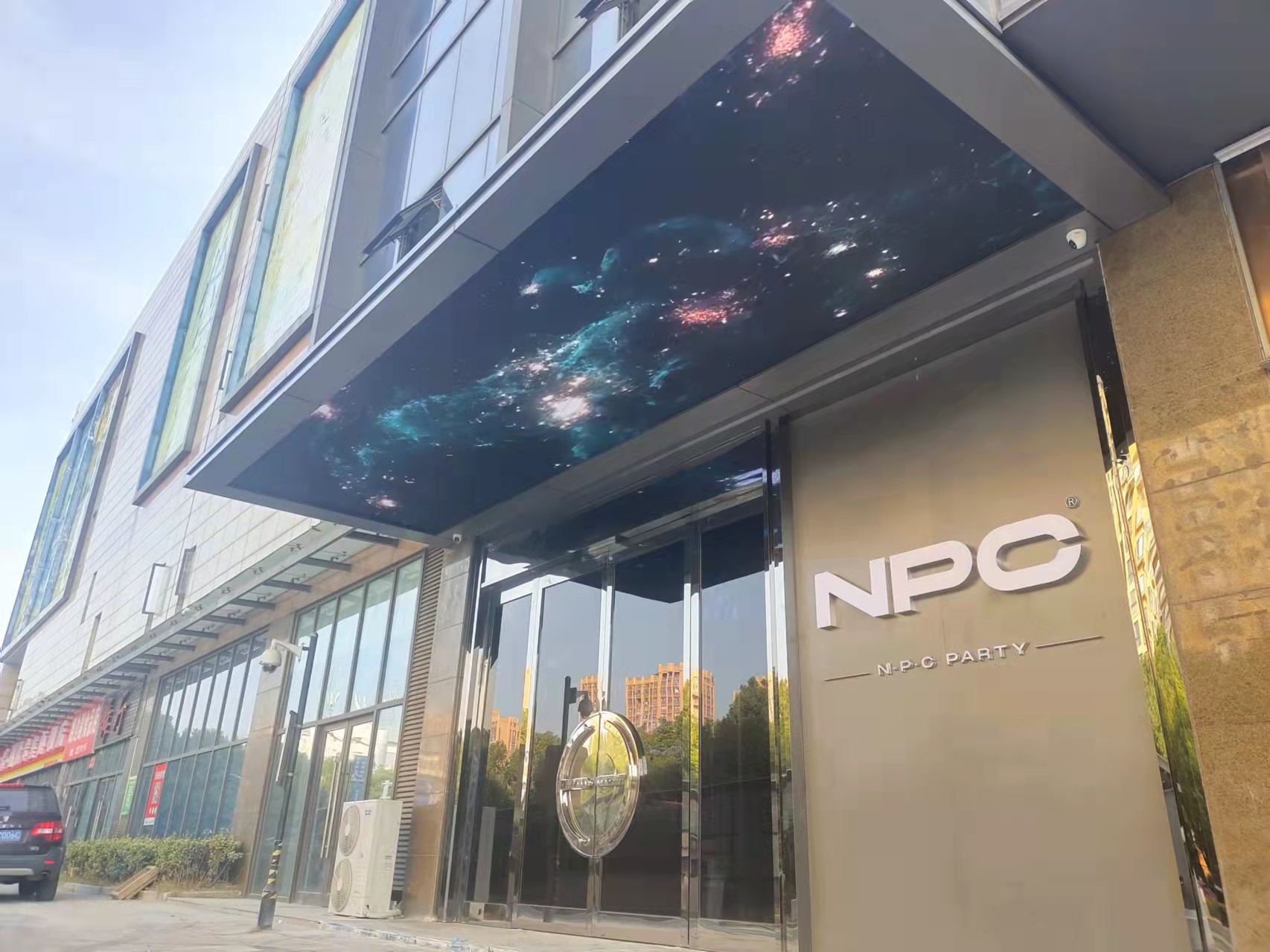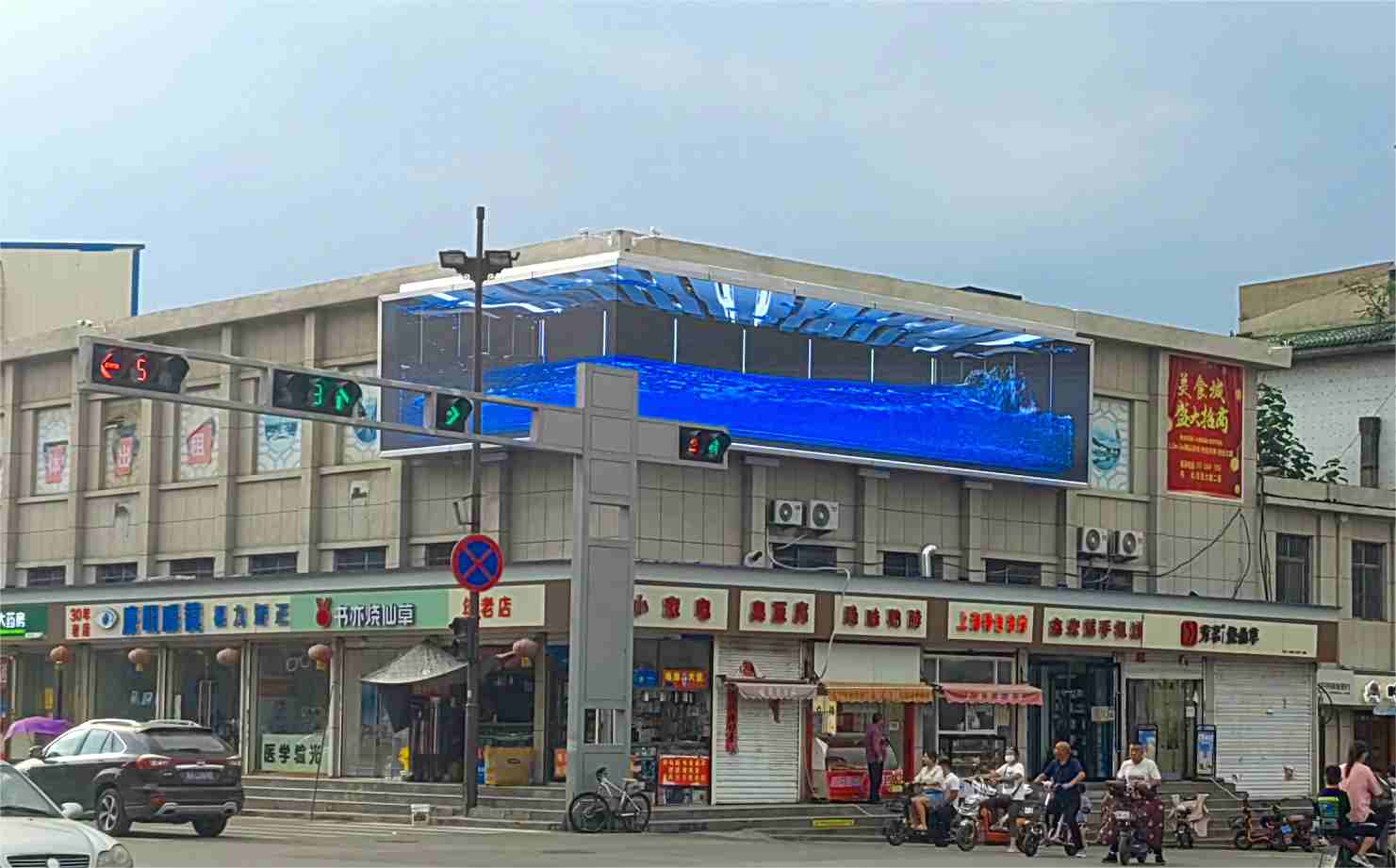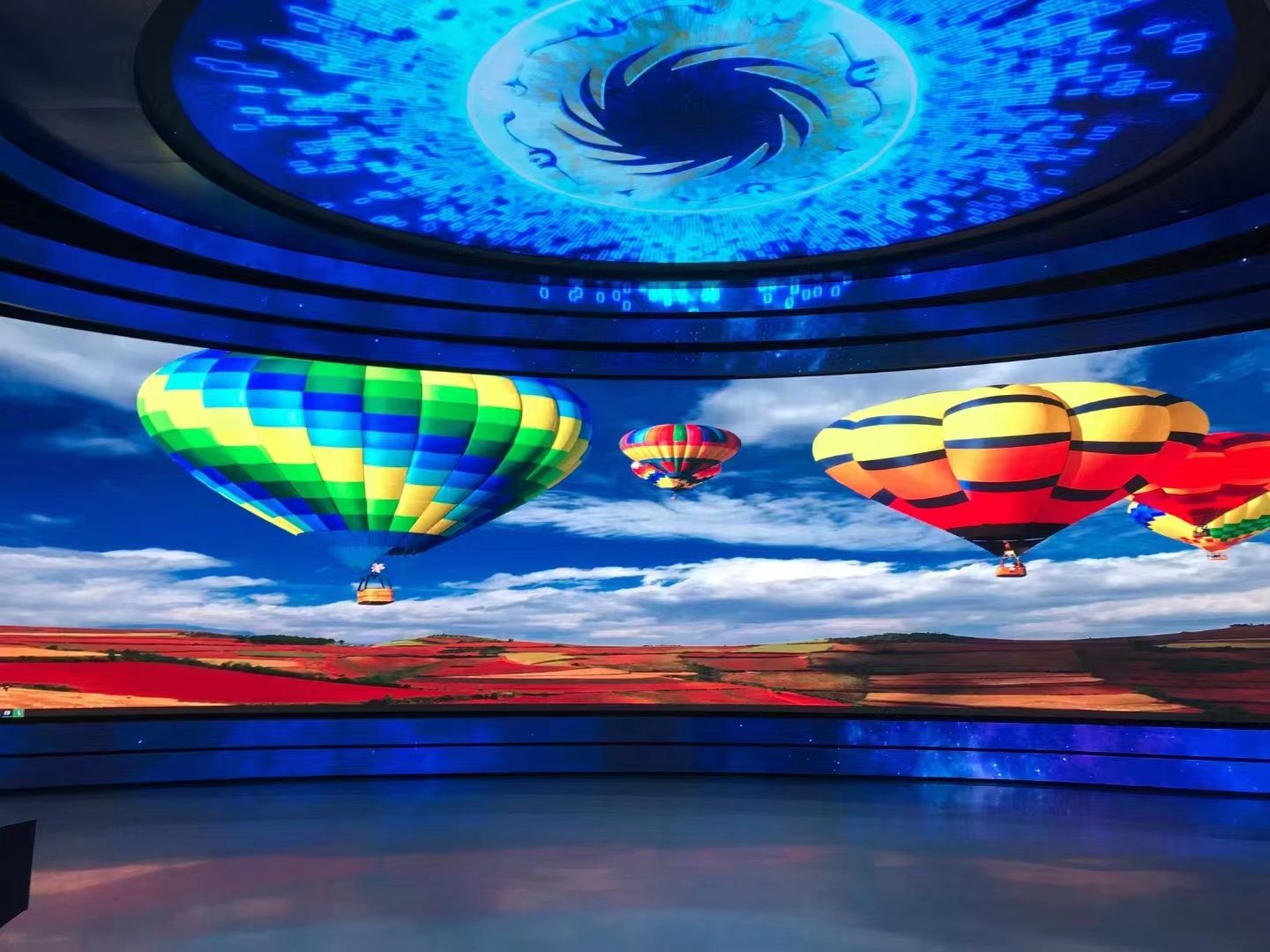
A transparent screen like that, to put it simply, is a piece of glass that looks ordinary and ordinary, but it has the same function of playing things as a display screen. It is a very unique device. It relies on special technology to maintain the perspective effect when displaying images. It is a display product with a unique style. At present, transparent screens are widely used in shopping mall windows, exhibitions, museums and many other places.
Over the years, I have gotten to know transparent screens and accumulated a lot of practical experience. Today, based on the perspective of actual use, we will delve into its advantages and existing problems.
Is the transparent screen effect really clear?
Is the effect of the transparent screen really clear? When it displays various contents, can it convey every detail to the viewer accurately and clearly? Can its clarity meet people's demanding visual experience requirements in different scenarios? These are all issues worthy of in-depth discussion.
1. How will the clarity of a transparent screen differ in different application scenarios, such as commercial display and information release? 2. Will it have a significant impact on the clarity effect due to changes in ambient light, complexity of display content, etc.? 3. These aspects require further research and analysis to fully understand the clarity of the transparent screen effect.
When many people see a transparent screen for the first time, they will be deeply attracted by the unique picture that seems to be suspended in the air. Its actual effect is significantly affected by ambient light and installation location. When the indoor light is at a moderate level, the display effect displayed by the transparent screen is very good. The picture brightness is sufficient and the color reproduction is very high. Especially when playing dynamic videos, it is like wearing a dress that can move flexibly on the glass. However, if the background light is too strong, such as when the sun is directly shining at noon, the screen will look white. At this time, you need to increase the brightness to see clearly. In addition, the resolution of transparent screens is generally not as good as that of traditional LCD screens. When viewed at a close distance, the pixels can be vaguely seen. However, there is no problem at all when viewed from one meter away. When it comes to videos showing brand logos, product specific information, or artistic videos, the visual effects created by transparent screens can be completely amazing.
What scenarios are transparent screens suitable for?
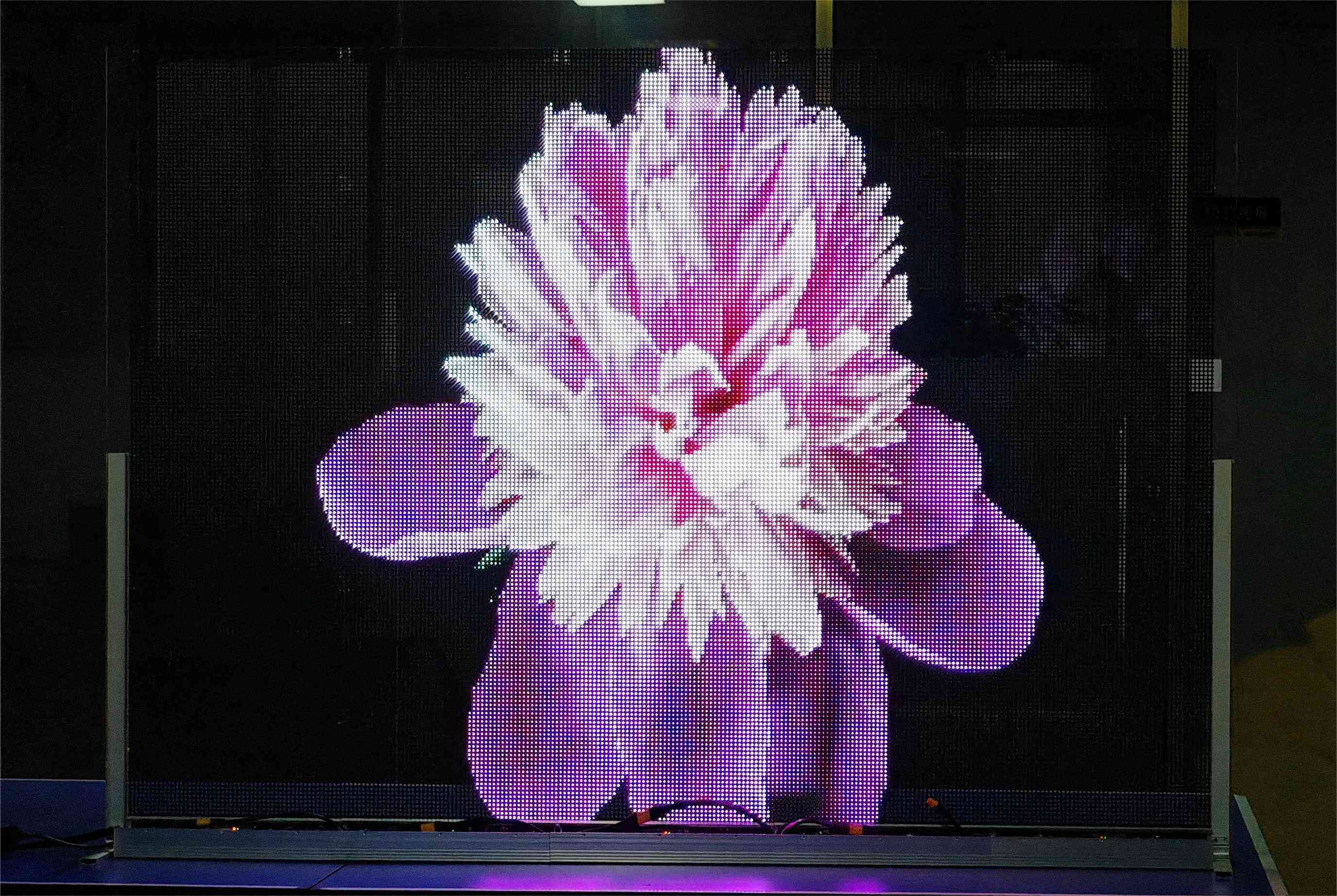
As a display device with unique visual effects, what specific scenarios are the transparent screen suitable for, and what kind of unusual experience can it bring to different spaces and applications? This is a matter of concern to many people who pay attention to the development of display technology.
The characteristics of transparent screens determine that they can play a great advantage in certain specific scenes. For example, in the field of commercial display, transparent screens can create a display atmosphere with a strong sense of technology and novelty, thereby attracting consumers' attention. In the window displays of some high-end stores, transparent screens can display dynamic product information or creative content, which will make the eyes of passersby shine, thereby enhancing the store's attractiveness and brand image. In exhibition display scenes, transparent screens can be used to build unique display spaces and present exhibits with a transparent effect. It brings a unique visiting experience to the audience and makes the exhibits more vivid and three-dimensional.
At present, the most popular application scenarios of transparent screens are shopping mall windows and exhibition halls. Taking clothing stores as an example, transparent screens are installed on the street glass, which appears as transparent glass during the day, and plays videos of model catwalks at night, attracting passers-by to stop and watch. The museum uses transparent screens to introduce exhibits. Text and images seem to float on the glass of the showcase, which does not block the exhibits but also provides visitors with relevant information. In addition, corporate front desks will also use transparent screens to build image walls. Normally it plays a decorative role, and once a visitor arrives, a welcome message will be played. Its core value lies in adding the function of information display without destroying the transparency of the original space.
It should be noted that the transparent screen is not suitable for placement where the sun can directly illuminate it, nor is it suitable for use in scenes that require extremely high text reading clarity. If your budget is more limited, you can also consider a film-coated transparent screen. Although the display effect is slightly worse, the price is much cheaper.