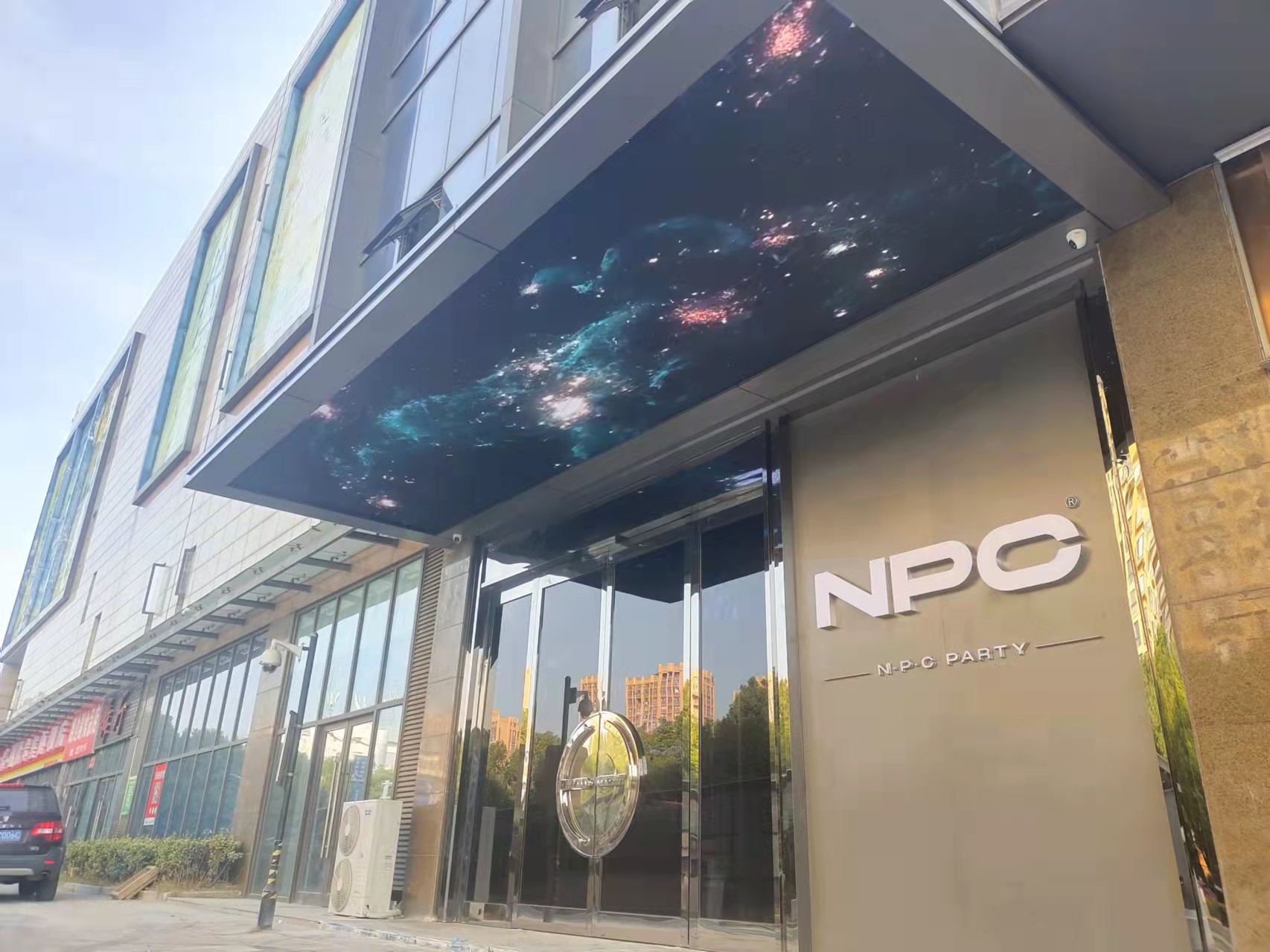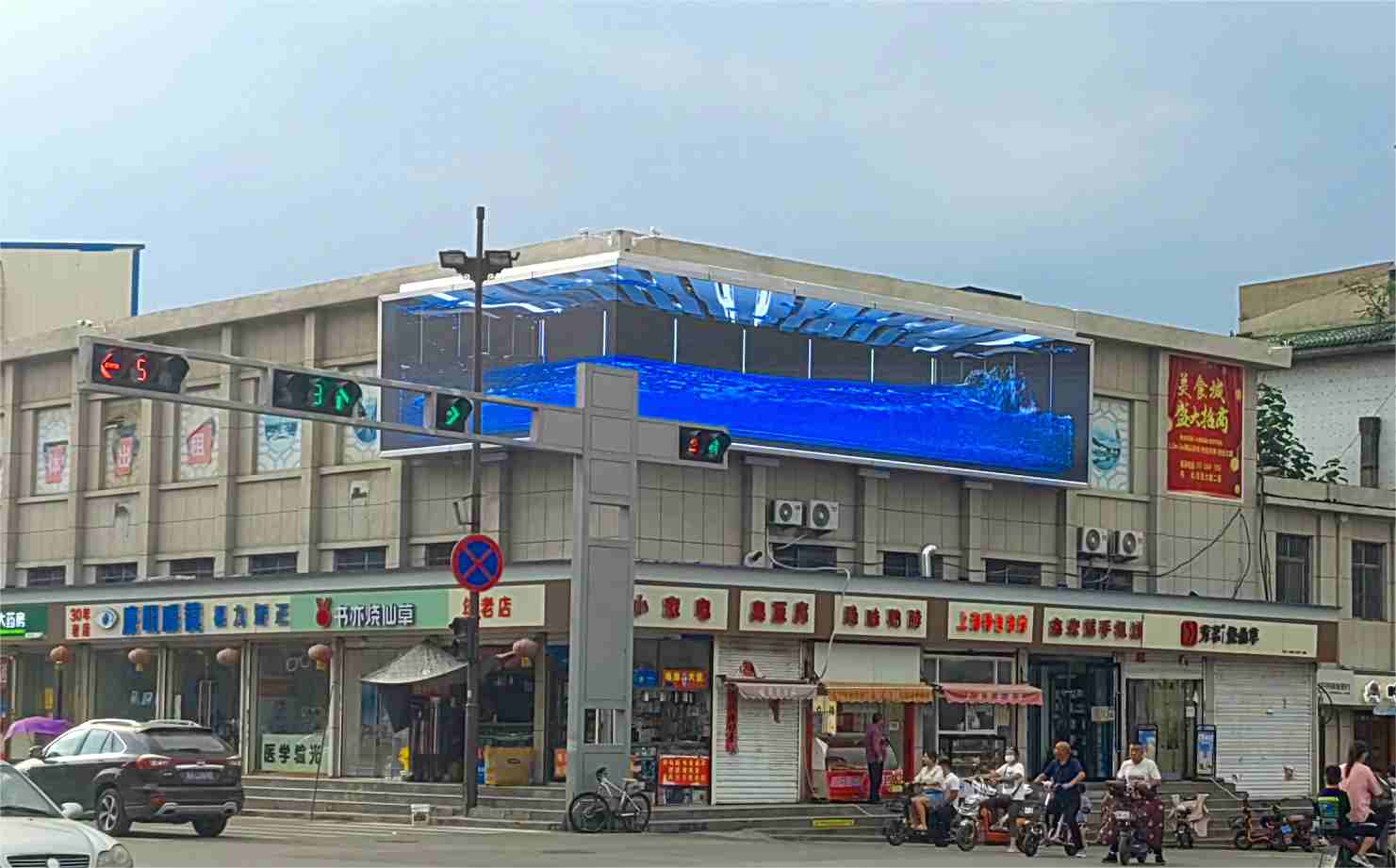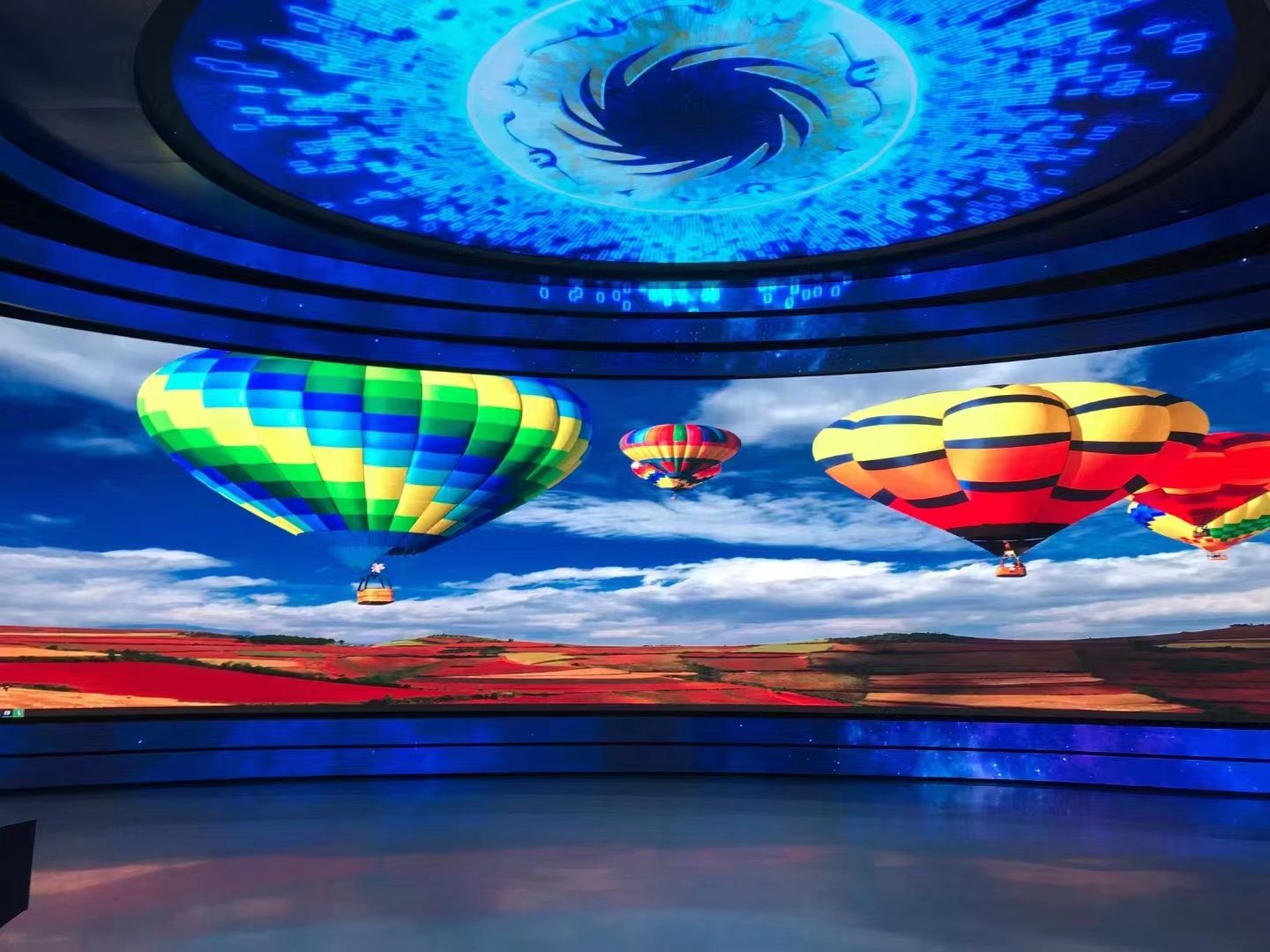
Nowadays, when you are walking in the bustling commercial streets, you often raise your head and you can see the luminous text or dynamic images suspended in the air. They are both extremely transparent and full of the feeling brought by technology. The core carrier of this visual spectacle is the transparent screen. It is no longer a prop in a science fiction movie, but a tool that actually exists and has been implemented for commercial display purposes. For store owners of physical stores, this is not just a screen, but also a powerful marketing weapon that can break through the boundaries formed by glass and integrate digital content and physical space. Understanding its essence is the first step to open the door to smart retail.
What scenarios are transparent screens suitable for?
Many bosses have concerns, thinking that the installation process is complicated or the effect is not good. However, in fact, the application scenarios of transparent screens are very intuitive and are widely used. The first is the display window of high-end retail stores, such as jewelry stores or mobile phone stores, where product information is superimposed on the products themselves. Customers can know the parameters without pushing the door, which greatly improves browsing efficiency. Secondly, there are shopping mall atriums or large LED displays. With their high light transmittance, advertisements can be played without blocking the buildings or landscape behind them. The visual impact is far greater than that of traditional opaque screens.
The catering industry is also another important place for transparent screens to display their functions. Floor-to-ceiling windows show the source of ingredients or the process of cooking ingredients, combined with special images with dynamic effects on the screen, so that guests who come to dine can truly experience the freshness of the ingredients and the safety of eating them. In addition, museums and exhibition halls use transparent screens to display the historical stories behind cultural relics. This not only achieves proper protection of the exhibits, but also enriches the dimension of the information presented. The most critical thing is not the physical properties of the screen itself, but how it can be fully integrated into the existing environment without any hindrance, and then become a communication bridge between people and the information it conveys.
What practical value can transparent screens bring?
The direct benefit of installing a transparent screen is to attract attention, because in the era of information overload, static posters have long lost their competitiveness, and dynamic and translucent visual effects can instantly grab the attention of passers-by. This "eye-catching" ability can also be directly converted into store entry rates. Especially for stores that are not located in prime locations, transparent screens can play a role in attracting traffic.
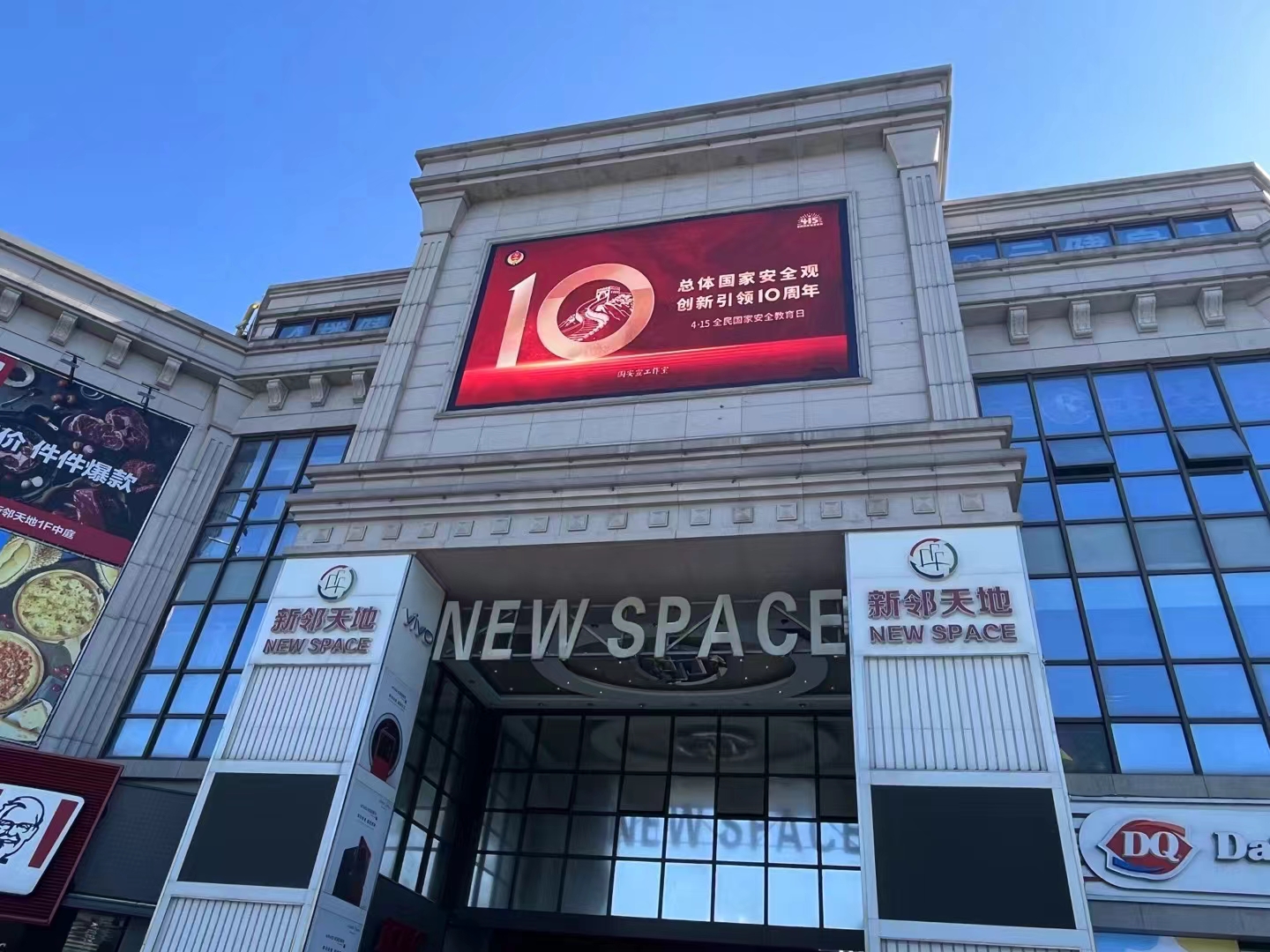
More importantly, it enhances the brand's sense of luxury and modernity. When consumers see a store using such cutting-edge technology, they will subconsciously develop trust in the brand's professionalism and innovative capabilities. This psychological suggestion is conducive to increasing the price per customer because people are willing to pay extra for brands that "seem more reliable". At the same time, background data can be tracked, allowing merchants to optimize delivery strategies so that every marketing budget can be used in key areas.
How to choose a reliable transparent screen solution
The products in the market are uneven. When making a selection, you need to pay attention to the two core indicators of light transmittance and brightness. In daily environments, it is more appropriate for the light transmittance to be between 30% and 50%. This can not only ensure the display effect, but also not completely block the line of sight. If the product is used in an environment such as outdoor strong light, then you need to choose a high-brightness type product to avoid blurry images under direct sunlight.
The installation method is also very important. The attached type is suitable for temporary activities or rental venues. It is low-cost and flexible. The embedded type is relatively neat and beautiful. It is suitable for main stores that operate for a long time. Be sure to confirm whether the supplier can provide support in content production. This is because high-quality visual content is the key to unleashing the potential of transparent screens. No matter how advanced the technology is, if the picture is rough, it will reduce the brand image.
Transparent screens are moving from concept to popularization. They are not just decorations, but a key part of the digital transformation of physical businesses. Only by mastering its application scenarios and key selection points can we take advantage of the fierce market competition and use technology to empower traditional businesses to create new growth miracles.