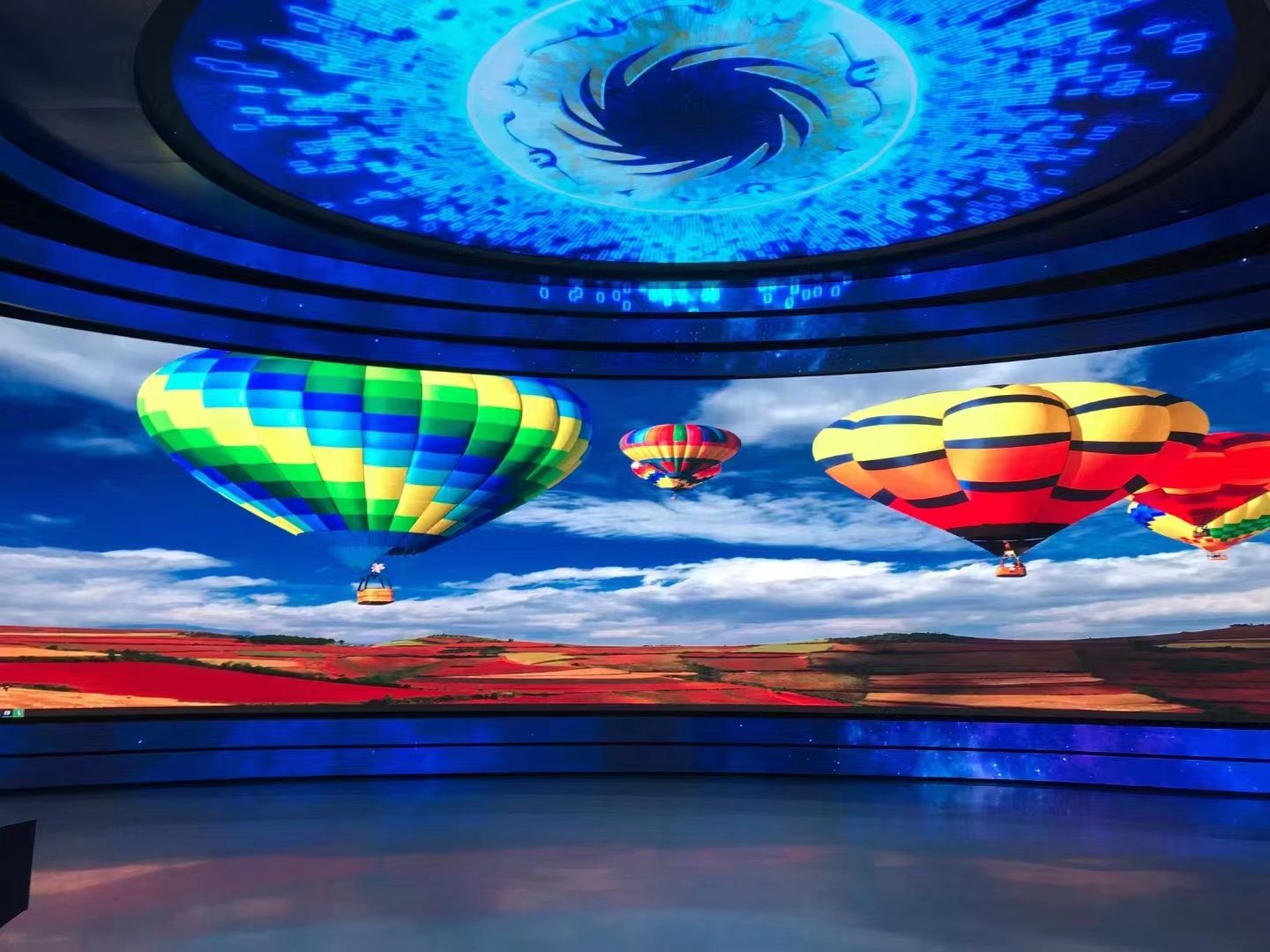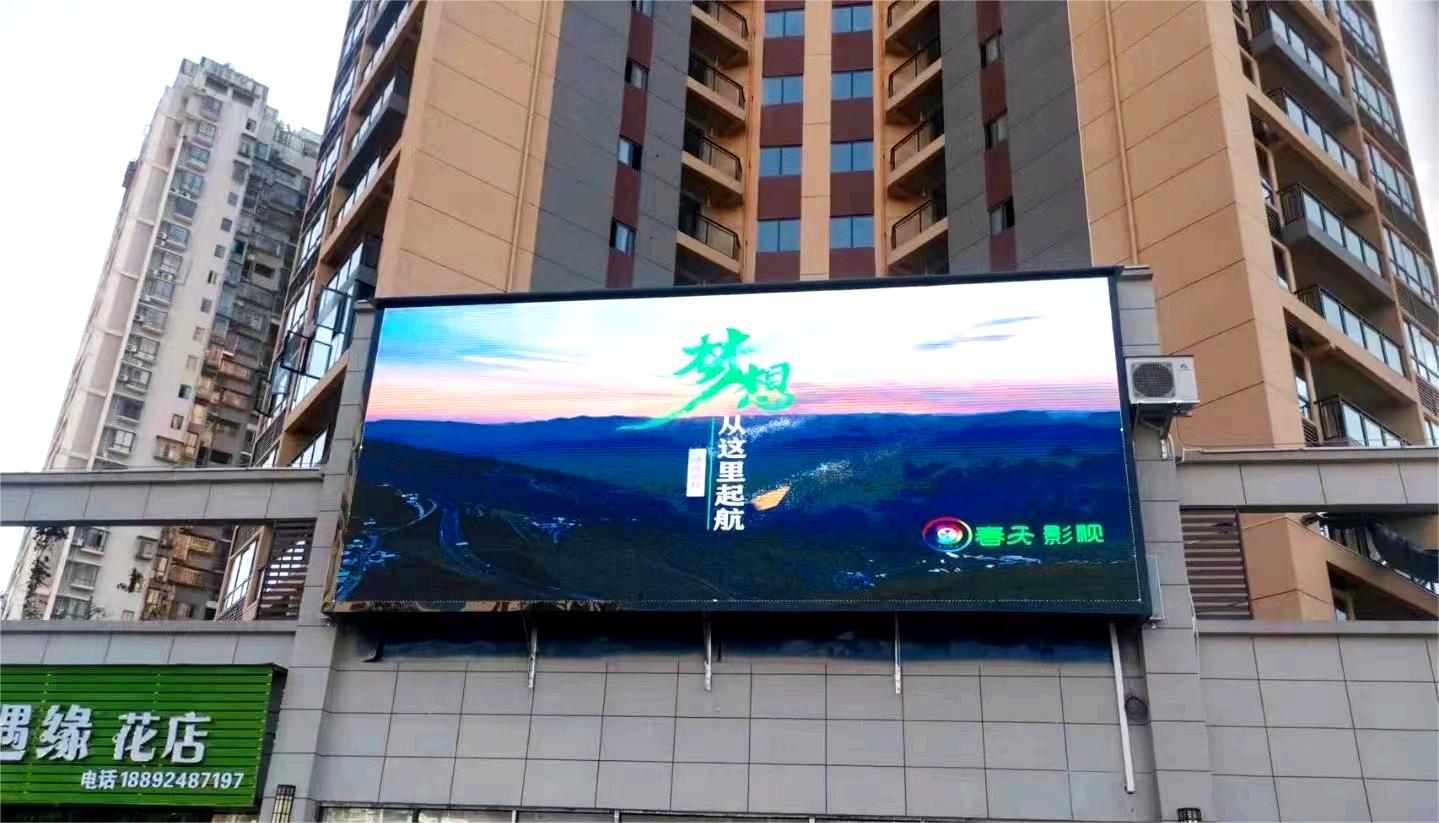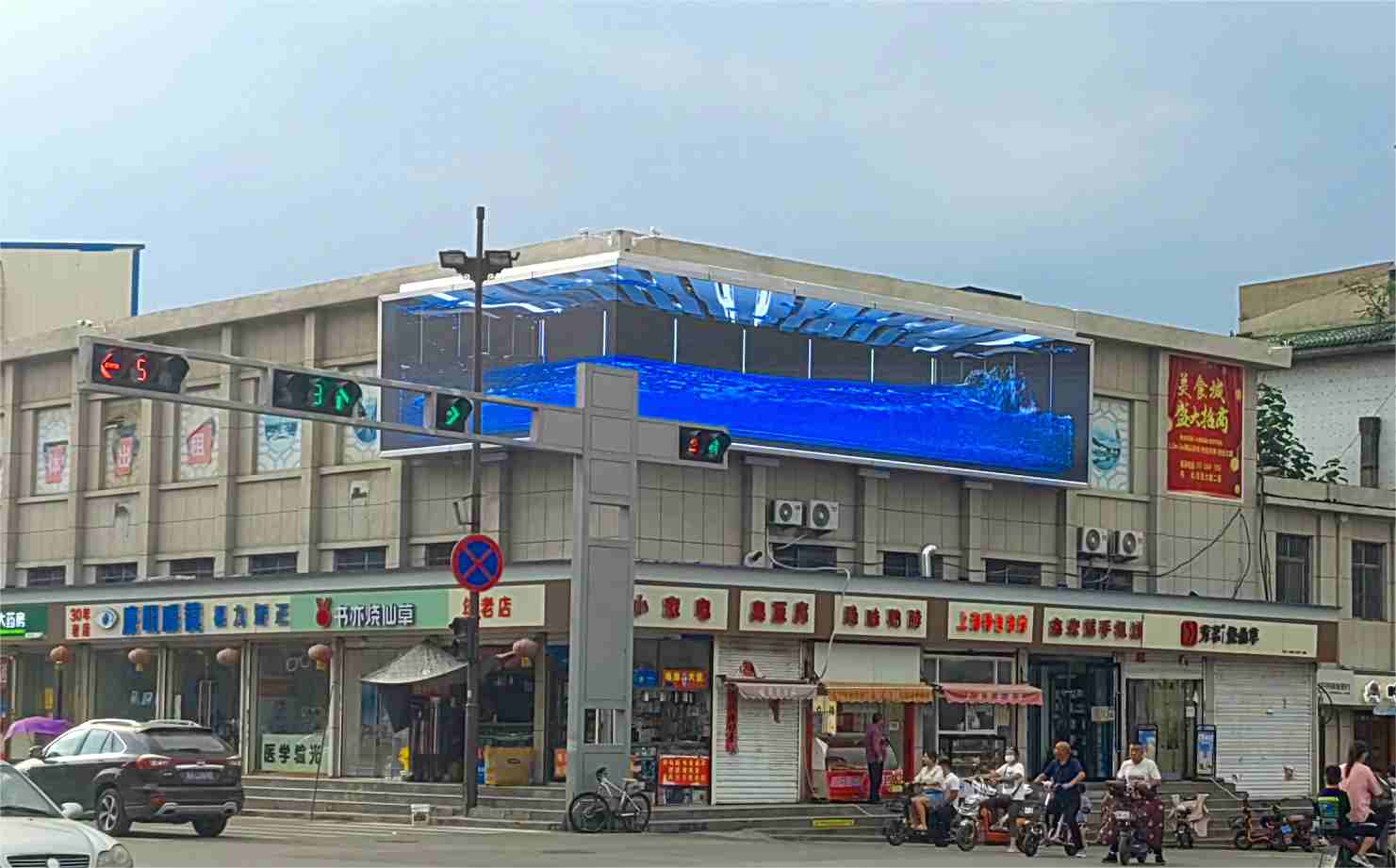
The transparent screen that sounds like a prop in a science fiction movie has actually come to life. It is basically a display device that can display content simultaneously and allow people to see objects behind the screen. To put it simply, the picture is "suspended" in the air, but things can still be seen clearly behind it. This technology is mainly divided into two categories: LCD transparent screens and OLED transparent screens. It is currently widely used in shopping mall windows, exhibitions, retail stores and high-end office spaces.
Why does the transparent screen look transparent?
The core principle of a transparent screen lies in its internal structure. There are opaque components such as backlights and metal wiring behind traditional screens, but transparent screens replace these blocking items with transparent conductive materials. For example, in an OLED transparent screen, each pixel emits light by itself, and the gap between the pixels is a transparent substrate, and light can penetrate there. The transparent LCD screen uses special light guide technology to allow the backlight to enter from the side instead of shining directly from the back. This design allows the screen to achieve a transmittance of about 40% to 80%, making it look like an image is suspended on a piece of glass. It should be noted that the transparent screen has not disappeared. It is still a panel that exists on the physical level, but the transparency has reached an extremely high level, creating an "invisible" effect in the visual aspect.
Will the display effect of the transparent screen be very blurry?
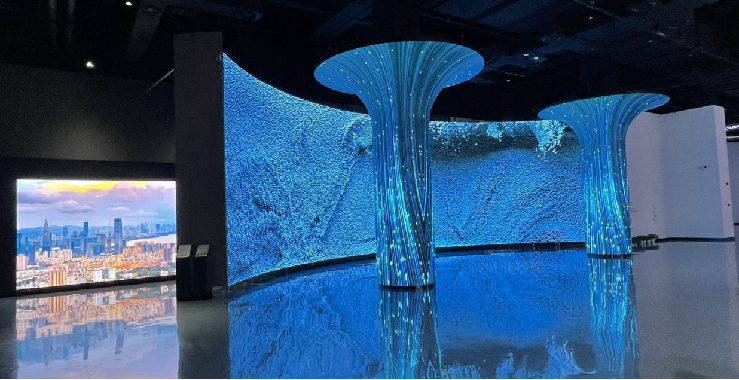
Many groups worry that the transparent screen will be like frosted glass, making the picture difficult to see clearly. However, the actual experience is much better than imagined. The brightness of the current mainstream OLED transparent screens can reach 1,000 to 2,000 nits, far exceeding the 300 to 500 nits of ordinary TVs, and can still maintain clear images and vivid colors in strong light environments. Although the brightness of the transparent LCD screen is slightly lower, with high contrast technology, there is no problem in recognizing text and icons. However, the display effect of a transparent screen is indeed greatly affected by the background. If there are messy shelves behind it, the picture will be interfered by the background. Therefore, when performing installation operations, you will usually choose a dark background wall, or add an additional black shading cloth behind the screen. In this way, the contrast of the screen will be significantly improved and the colors will become richer. As far as retail windows are concerned, this effect can fully attract the attention of passers-by, and actual commercial use cases have verified this situation.
Is a transparent screen worth installing?
When viewed from a cost perspective, the current price of transparent screens is still relatively high. The market price of an OLED transparent screen with a size of about 55 inches is in the range of 30,000 to 50,000 yuan. If the cost of the control system and installation and debugging are also included, the cost of the entire solution may reach 80,000 to 100,000 yuan. LCD transparent screens are relatively cheaper. The price of a 55-inch model is roughly between 15,000 and 25,000 yuan. However, its transparency and color performance are not as good as OLED transparent screens. From a practical level, the greatest value of transparent screens is reflected in the two aspects of "sense of technology" and "spatial permeability". If your store or exhibition area needs to create a futuristic feel, or you want to display information without obstructing your line of sight, then transparent screens can indeed bring visual effects that ordinary screens cannot achieve. However, if it is just to play advertisements, ordinary high-definition screens are more cost-effective. Before installation, you should consider the lighting conditions, background color and maintenance costs of the installation location. The surface cleaning requirements of transparent screens are higher than those of ordinary screens. Fingerprints and dust will significantly affect the look and feel.
The transparent screen is not a false so-called demand. It is obviously not a universal solution that can deal with all situations. It is suitable for people who are within a specific scene, have sufficient budget, and pursue distinctive visual characteristics that distinguish them from others. If you are currently thinking about ways to improve the image of your store or how to display it, you might as well go to the actual physical exhibition hall to take a look at the actual effect, and then make relevant decisions based on your own budget and the conditions of the space. Whether a technology product is worth it or not can never be judged just by parameters, but whether it can actually help you solve the problems you face.