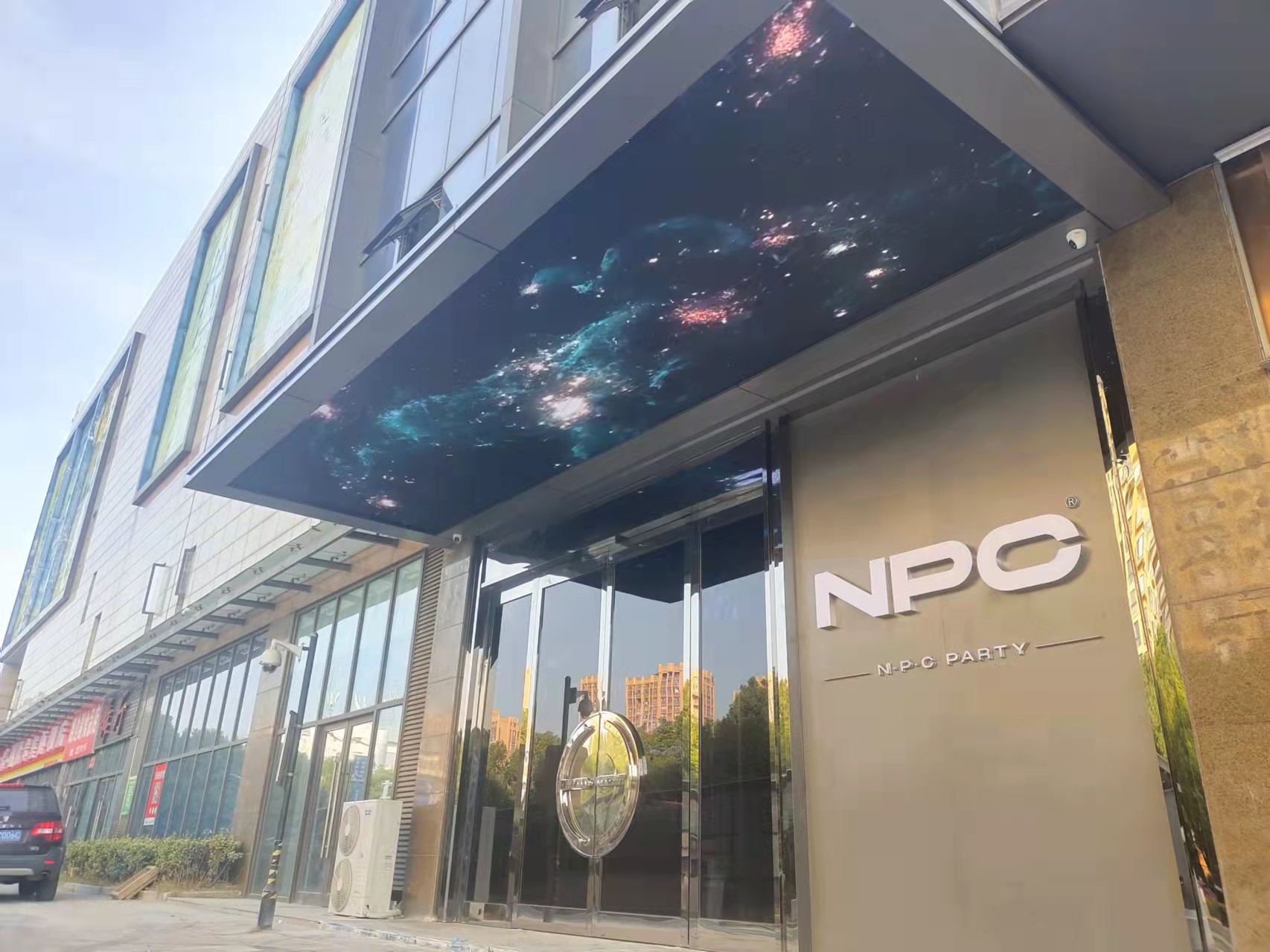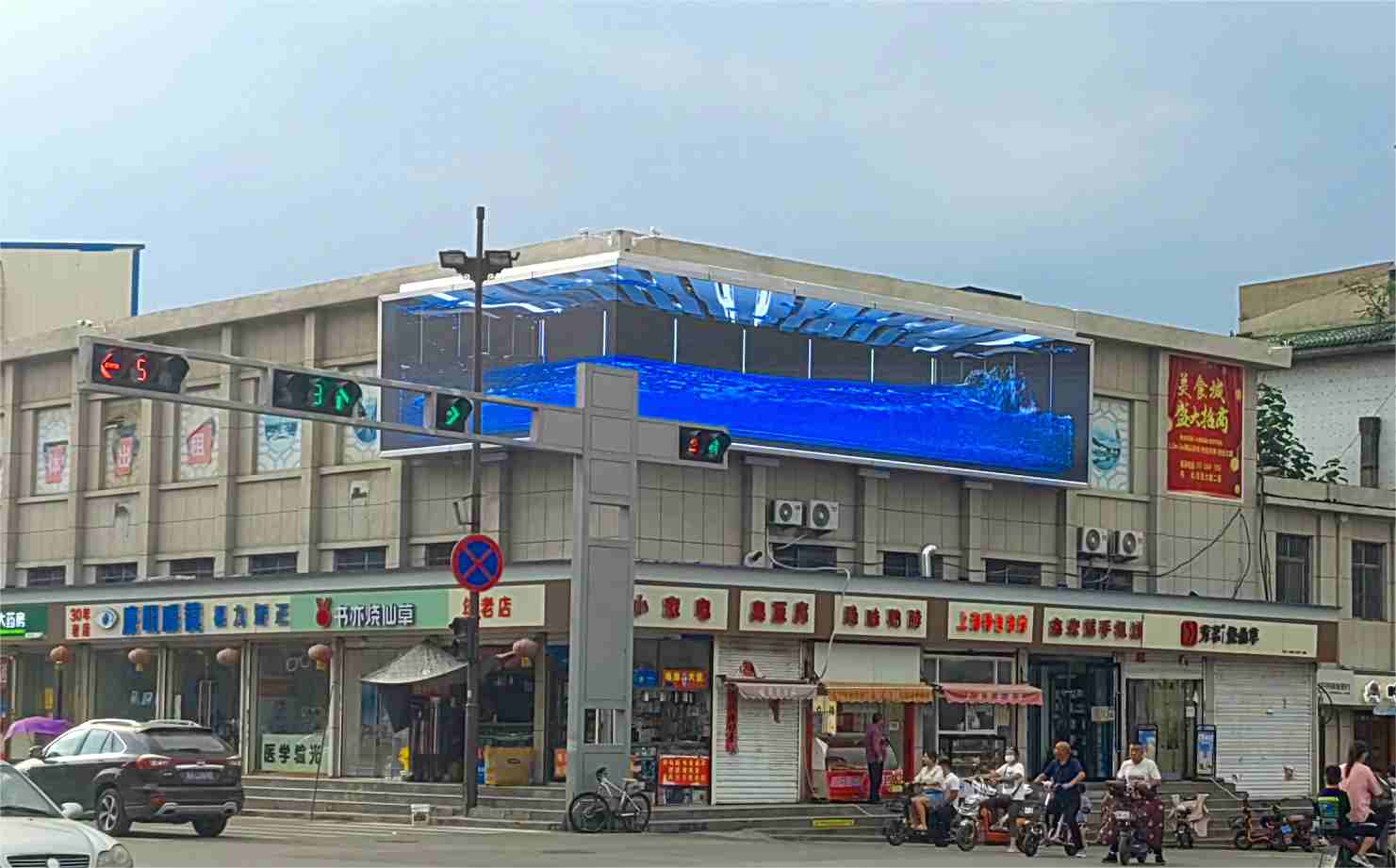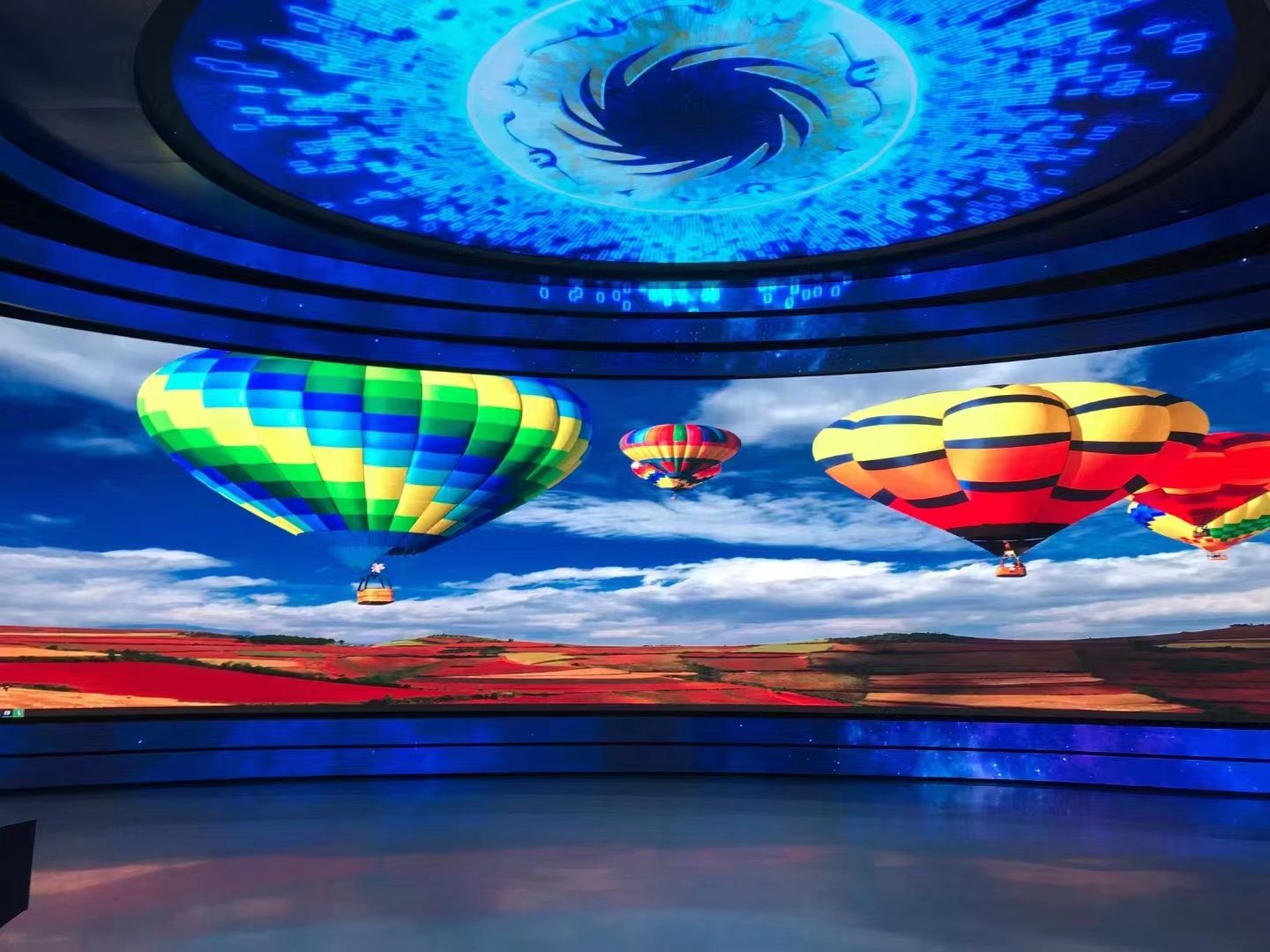
The transparent screen itself has a certain degree of transparency. Of course, people calling it this means that when you see an object, it can also allow the objects behind it to be reflected and seen while displaying the content. However, this technology first appeared in fantasy science fiction movies. Now it has been implemented in places such as shopping mall windows, museum showcases, and even on the front windshield of cars. When many people saw a transparent screen for the first time, The thought that immediately flashed in his mind was "Can this thing really be seen clearly?" Indeed, the key point of a transparent screen is not to pursue high contrast like a TV, but to promote the smooth integration of information with the real environment.
Is the display effect of the transparent screen really clear?
The clarity is determined by the light transmittance and brightness of the transparent screen. The transparent screens on the market are currently mainly divided into three types: LCD, OLED and projection. The light transmittance of the LCD transparent screen is between 10% and 20%, which is suitable for indoor scenes with dark light, such as jewelry store windows. The light transmittance of the OLED transparent screen can reach more than 40%, and the colors are more vivid. The black part can be completely transparent, making it look like a picture suspended on a piece of glass. The projection-type transparent screen projects images onto a transparent film, and its clarity is greatly affected by ambient light.
In practical applications, the display effect of a transparent screen is completely different from that of an ordinary screen. It does not need to pursue the number of pixels per inch like a mobile phone. The reason is that what the audience sees is the overall integration effect. For example, in a museum, a transparent screen covers the cultural relics, which can not only display the three-dimensional restoration animation of the cultural relics, but also does not block the audience's view of the actual objects. If the ambient light is too strong, the picture of the transparent screen will fade. Therefore, many commercial scenes will be equipped with backlight or adjust the screen angle.
Where are transparent screens suitable for use?
Dynamic advertisements are played directly on transparent screens to replace the old method of merchants posting posters on glass. This shows that the most mature application of transparent screens is commercial windows, where passers-by can not only see the actual products, but also see the relevant content advertised. For example, a transparent screen placed on the window glass prompts models to wear new products of the season, and the screen plays matching suggestions and price information. In this way, customers can complete a preliminary understanding while standing outside.
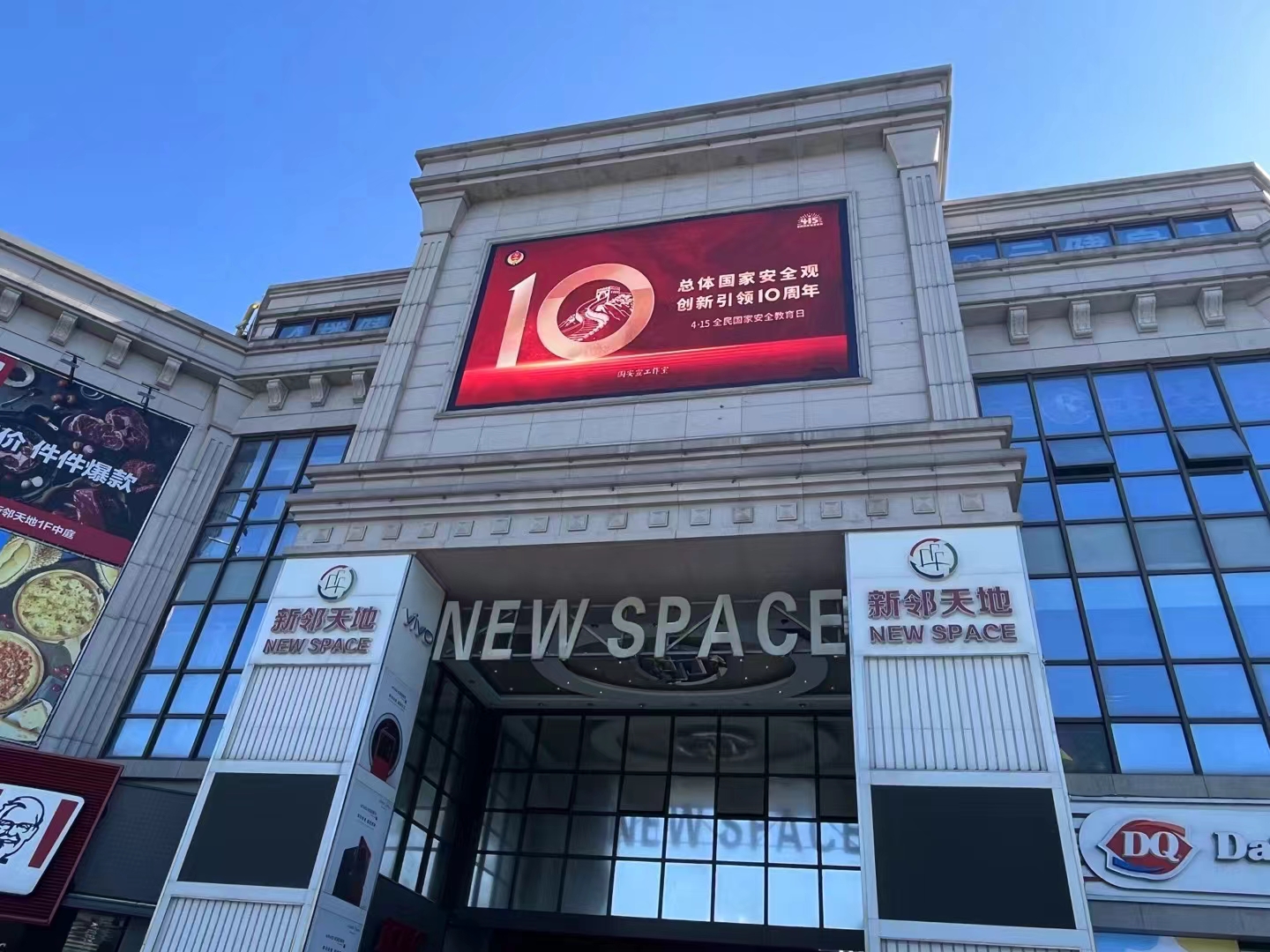
Another popular scenario is exhibition display. Museums and science and technology museums use transparent screens as exhibit signboards. When the audience approaches, the screen will light up and display text and video. After the audience leaves, the screen will return to a transparent state without affecting the viewing of the exhibits. The automotive industry is also trying to apply transparent screens to the front windshield to display navigation, vehicle speed and other information. However, this technology is still in the testing stage and is mainly restricted by safety regulations and costs.
Disadvantages of transparent screens and considerations when purchasing
A very obvious flaw of transparent screens is that the brightness is limited. Because the screen itself is light-transmissive, when it comes to displaying the white part, it is not as bright as an ordinary screen. It is basically difficult to see clearly under strong outdoor light conditions. Therefore, transparent screens are currently mainly used in indoor or semi-indoor environments. In addition, the presentation of black in transparent screens is not as good as that of ordinary screens. Since the black area is actually transparent, it is impossible to achieve a pure black state. This will have an impact on content such as movies and games that have high requirements for black scenes.
When purchasing a transparent screen, you need to focus on checking whether the light transmittance and resolution are compatible. The higher the light transmittance is, the more the display effect will depend on the brightness of the screen itself. If it is used in a scene like a shop window, it is recommended to choose an OLED transparent screen with a light transmittance in the range of 30% to 40%, and to match it with an automatic dimming function. If it is only used for decorative display purposes, the LCD transparent screen will be more cost-effective. In addition, you must also pay attention to the installation angle. When the screen is placed in a tilted state, the reflection will become more serious. It is best to keep the viewer's line of sight vertical to the screen.
The transparent screen is not used to replace ordinary displays. It is more like an environmental interaction tool that embeds information into the real scene rather than covering the scene. In the future, as brightness increases and costs decrease, transparent screens are likely to appear in more daily places, such as supermarket price tags, bus stops, and even windows at home. It transforms the screen from an "information island" into an "information skin", which is its real value.