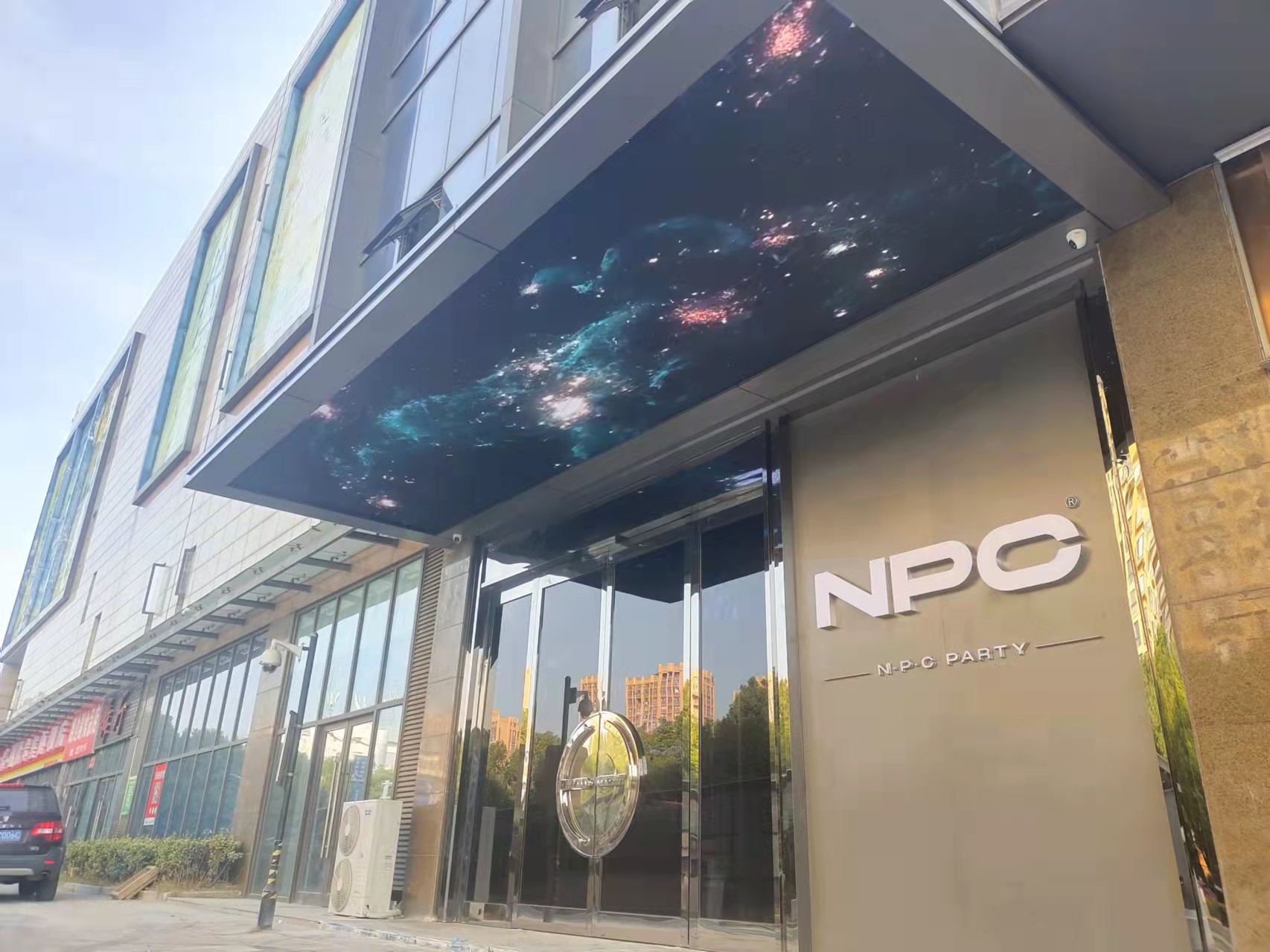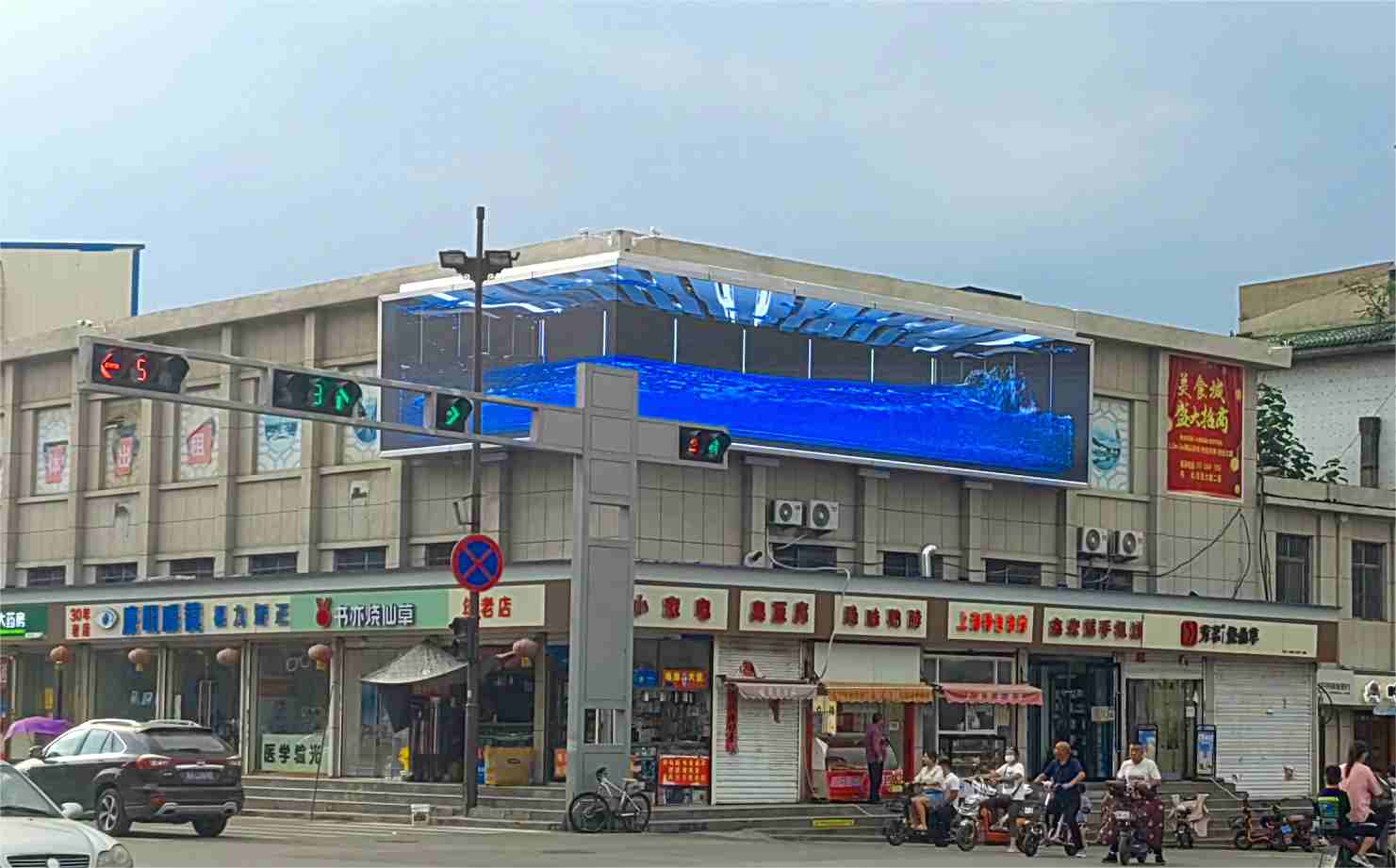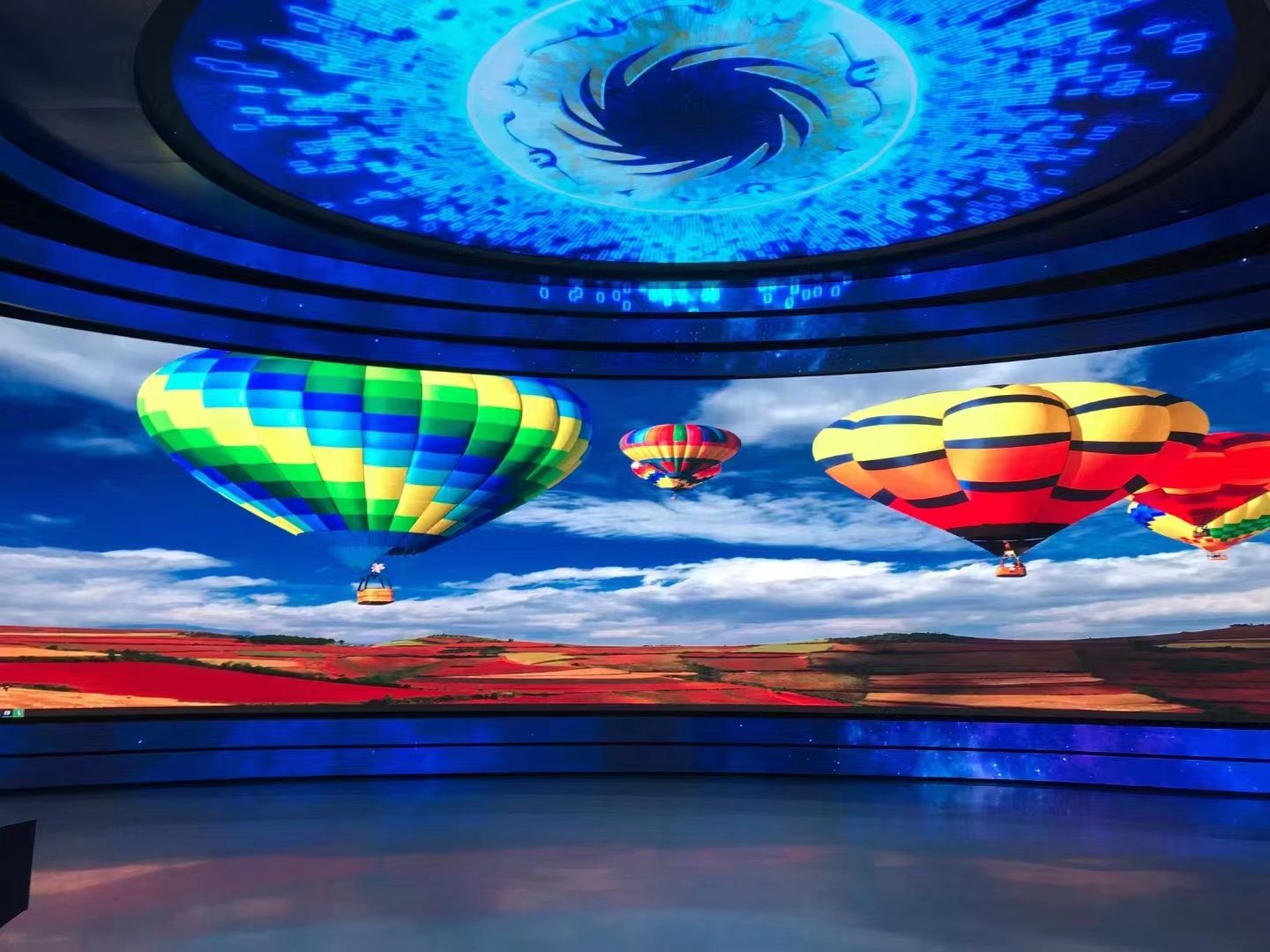
What is called a transparent screen, according to the meaning expressed by its name, is a display screen that allows you to see the objects behind the screen. It is not a prop that appears in science fiction movies, but a real technology that has entered shopping mall windows, museum showcases, and even some car front windshields. To put it simply, a transparent screen maintains a considerable degree of light transmittance when displaying content, so that you can see the screen. It won't completely block the view.
What does a transparent screen rely on to achieve transparency?
Aiming to find a balance between "transparency" and "luminescence" is the core key technology of transparent screens. It is common for there to be more than one way to achieve a transparent screen, such as an OLED transparent screen. Each pixel in it is a material that can emit light by itself and does not rely on a backlight to achieve visual effects. Therefore, it can achieve a very high degree of transparency, and the colors presented are also extremely bright and vivid.
There is an LCD transparent screen, which goes through the process of abandoning the backlight module of the traditional LCD screen, and then uses side light sources or natural light, ultimately achieving the effect that the screen is like a piece of glass that can transmit light. There is also a projection transparent film. After it is pasted on ordinary glass, when the projector is lit from behind, the corresponding image can be displayed.
There are quite significant differences in the transparency rates displayed by different technologies. Some technologies can achieve more than 80% transparency, while other technologies can only achieve about 40%. The higher the transparency, the lower the contrast of the displayed image because ambient light can interfere with the image. Therefore, in the actual application of transparent screens, it is often necessary to match a dark background or control the brightness of the environment, so that the picture can be clearly presented. For example, a transparent screen installed in a shopping mall window may look a little thin during the day, but at night or in a dark indoor environment, its display effect will be particularly outstanding.
In actual scenarios, the characteristics of transparent screens determine the limitations and particularities of their application scenarios. There are differences in the transparency rates of different technologies, which means that when choosing a transparent screen, you must carefully consider it based on specific needs. Taking an environment like a shopping mall window as an example, we must fully consider the difference in light conditions between day and night, and then rationally use transparent screens to achieve the best display effect. For other occasions that have higher requirements for screen display, it is even more necessary to accurately grasp the relationship between the transparent screen and environmental factors, and ensure that the screen is clear and visible by matching a dark background or adjusting the ambient brightness to meet the needs of practical applications.
Where can transparent screens be used?
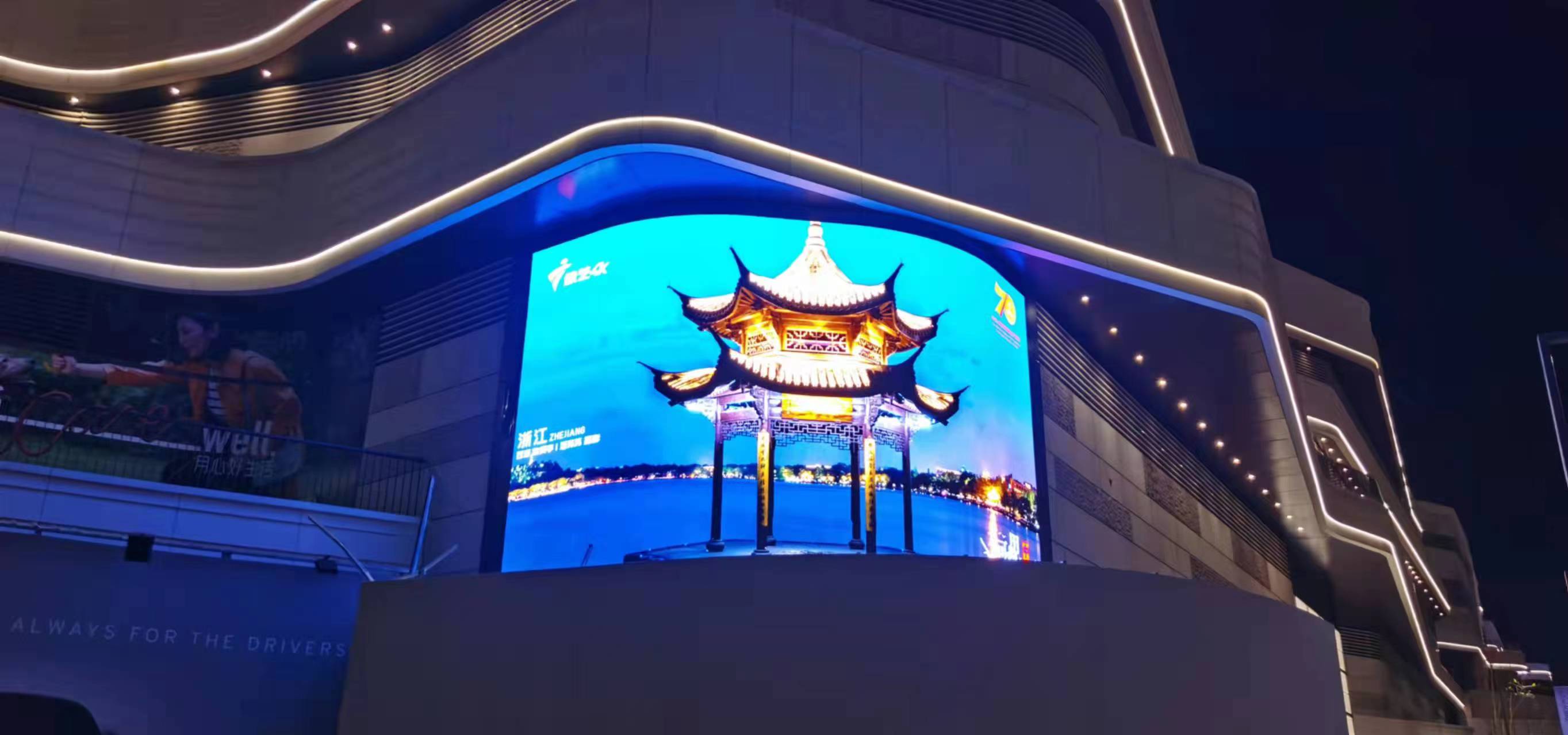
Allowing "display" and "space" to coexist is the greatest value of transparent screens. A typical scene is retail windows. In the past, businesses had to put up posters on the glass or place an ordinary monitor, which would block the view. Now, with the use of transparent screens, the window glass can be transformed directly into an advertising screen. When customers stand outside, they can not only view the products but also dynamic videos. The sense of interaction is much stronger than before.
Museums and exhibition halls are being used more and more frequently. The exhibits are placed behind a transparent screen. The screen can play introductory videos and display historical pictures. The audience can watch the cultural relics and the information superimposed at the same time. The experience is much better than that of traditional exhibition boards. In addition, transparent screens are used to create brand image walls at the front desks, corporate exhibition halls, and product launches of high-end office buildings, with a strong sense of technology.
The automotive industry is also exploring transparent screens, such as embedding transparent screens into the front windshield to display key information such as navigation arrows and vehicle speed, so that the driver does not need to lower his head to see the instrument panel. However, the current cost is high and the requirements for reliability are relatively strict, so the number of mass-produced models is not large. In addition, transparent refrigerator doors and transparent freezer doors are also common applications. They can be used to display products in supermarkets and can also display promotional information. This can not only prevent customers from viewing the items inside, but also achieve the purpose of advertising.
Transparent screens have obvious limitations and are much more expensive than ordinary screens. A large-sized transparent screen can easily cost tens of thousands or even hundreds of thousands. There are limitations in brightness. In a strong light environment, the effect will be greatly reduced. The resolution is also affected by transparency, and its fineness is not as fine as that of ordinary displays. Therefore, transparent screens are more suitable for "embellishment" and "highlights" rather than replacing the entire screen.