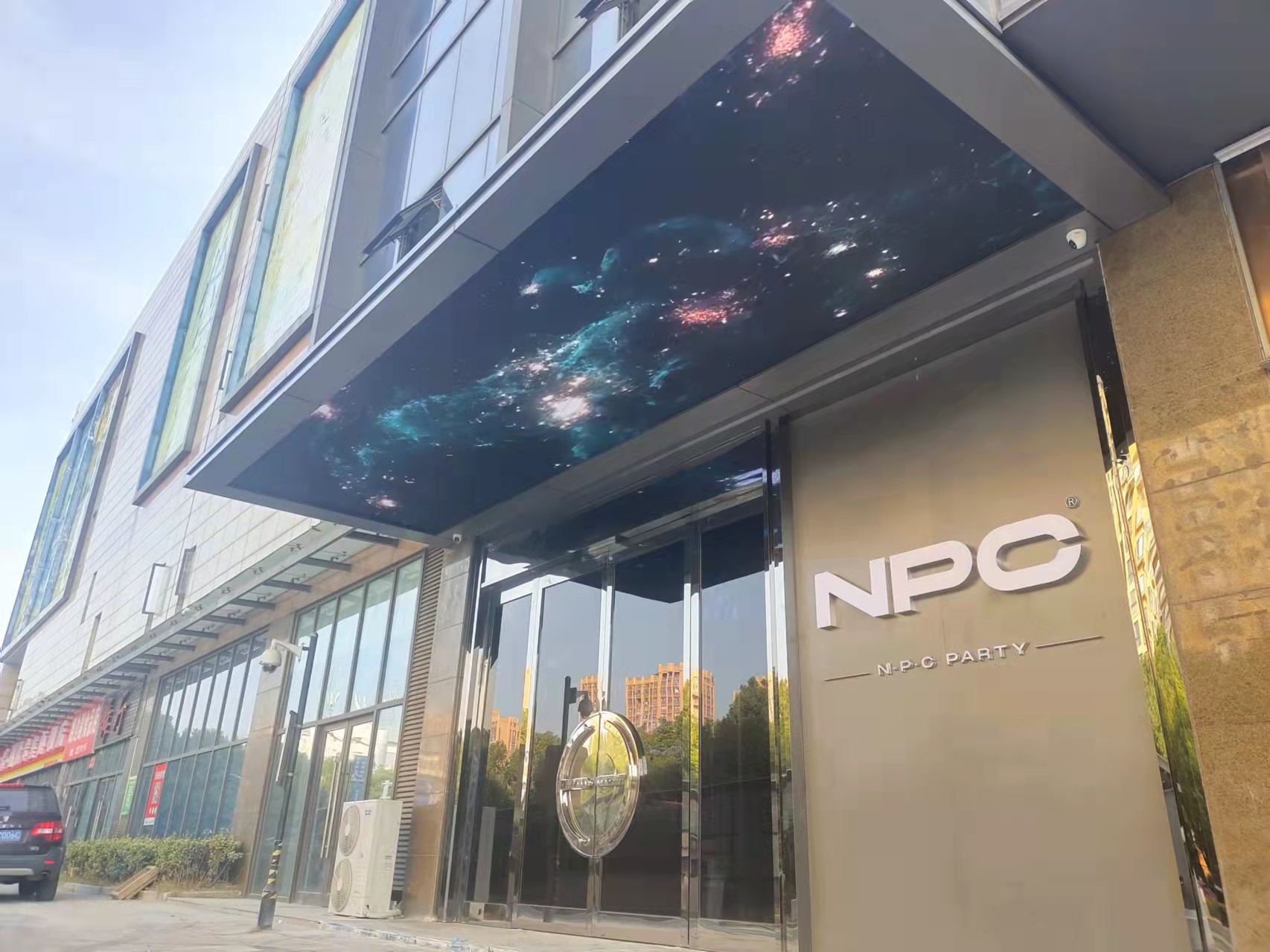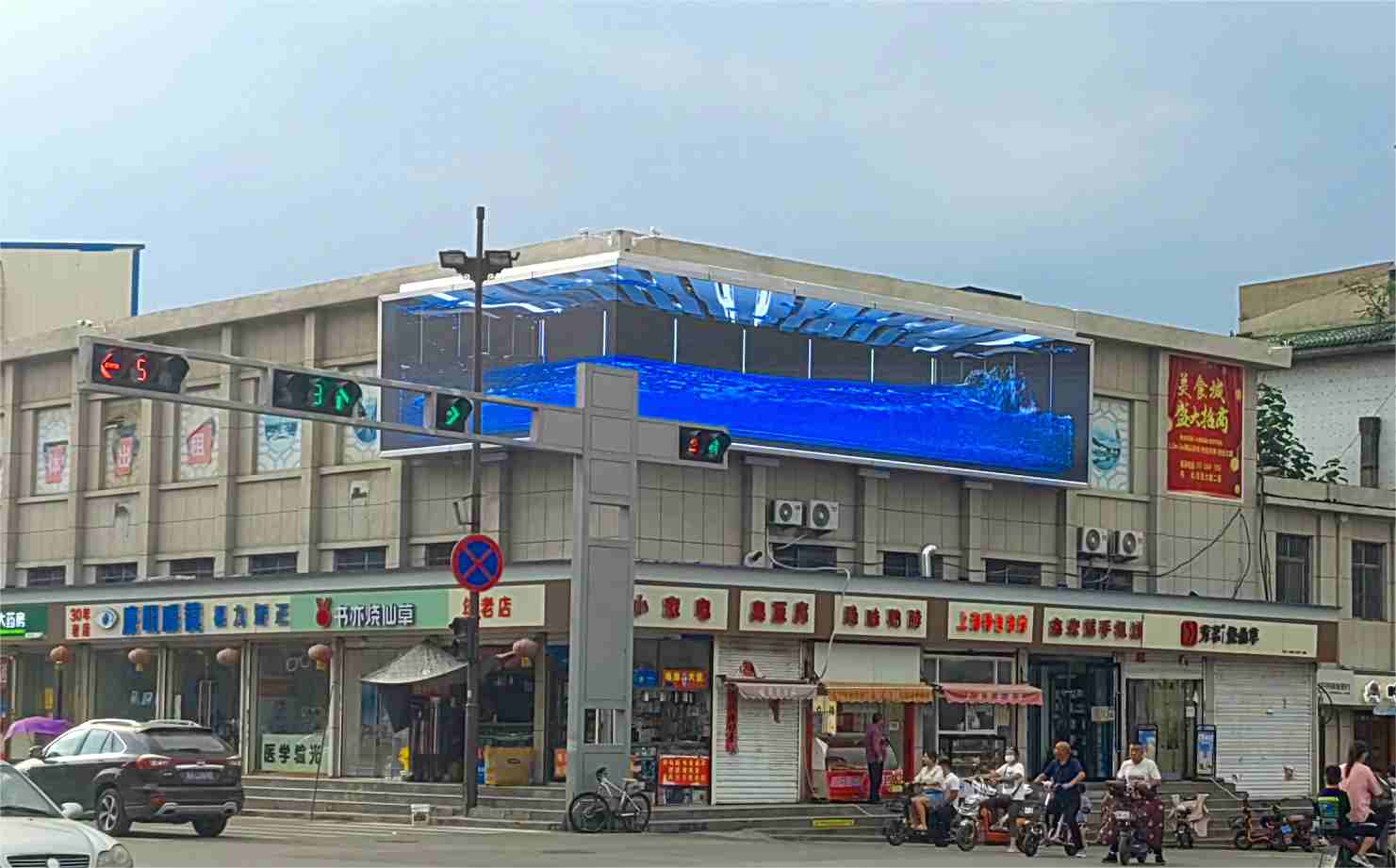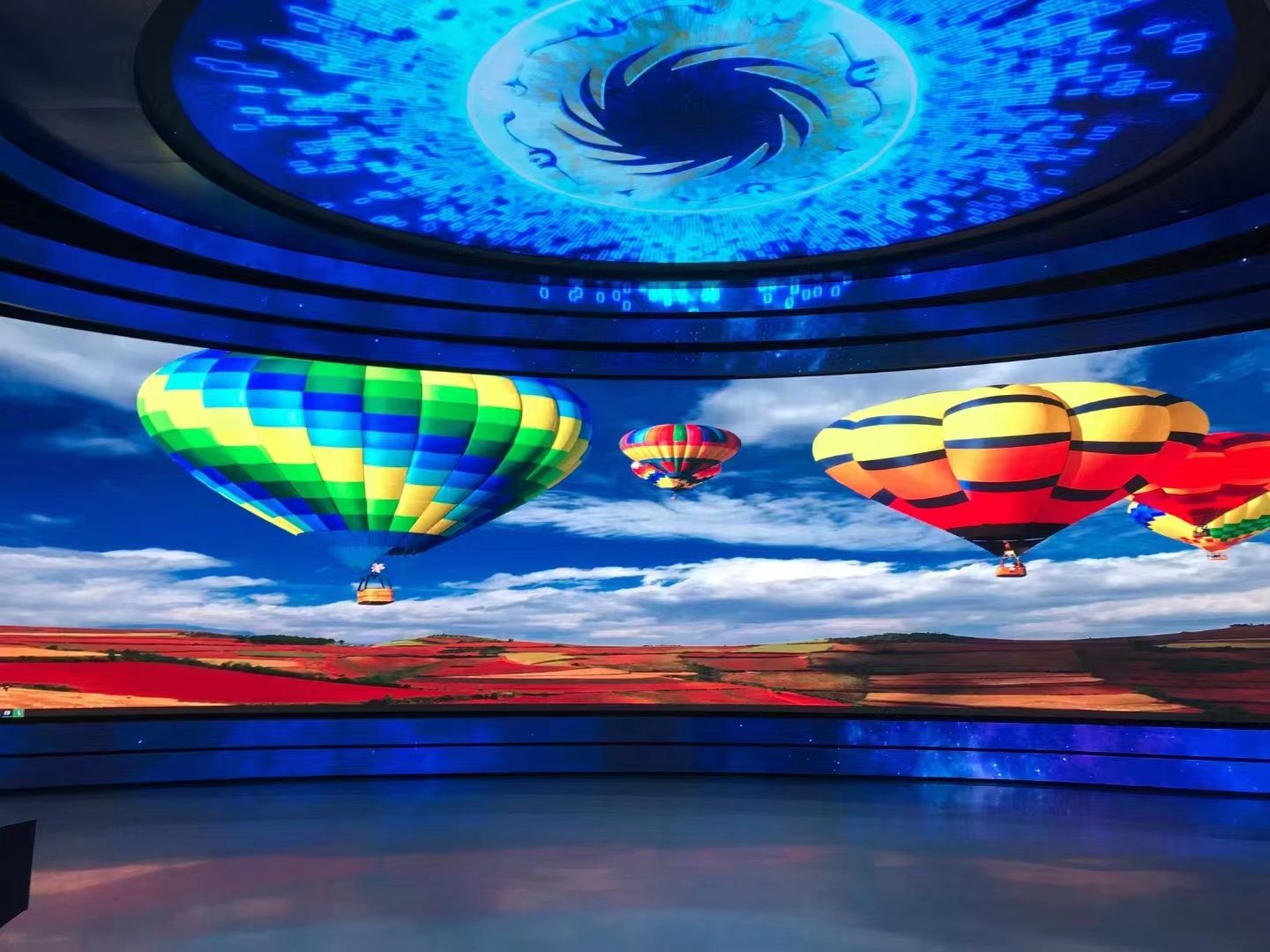
As you walk through the bustling business district, you will often see billboards floating in mid-air, or interactive animations that suddenly burst into view through the glass windows. This scene is the visual impact created by the transparent screen. When many people see it for the first time, their first reaction is often to be surprised, thinking that this object is high-end and classy and can instantly enhance the style of the store. However, if you calm down and think about it, is this thing really worth spending money to buy? For the operators of physical stores, is it a powerful tool that can increase sales, or is it just a decoration to attract everyone's attention? Some people are even worried, will this be an "IQ tax" that falls under the category of excessive marketing? To be precise, the key value of transparent screens does not focus on "transparency", but on "superposition". It integrates real scenes and digital information to create a new narrative space. If you just think of it as an ordinary display screen, you may indeed feel at a disadvantage; however, if you think of it as an interface connecting the physical world and virtual information, its potential is completely different.
Which industries are suitable for transparent screens to use effectively?
The experience created by the catering and retail industries has undergone fundamental changes. Imagine that when consumers look at the burgers displayed in the glass cabinets, the traceability of the ingredients and real-time calorie data appear on the side. This experience is much more vivid than simply looking at the menu. In the automobile 4S specialty store, a transparent screen is posted on the glass of the exhibition car. By tapping the screen, you can view the disassembly diagram of the vehicle's internal structure, which not only protects privacy, but also highlights the sense of technology. Fashion brands are doing their best to make things more complicated in this revolution. Fitting mirrors have been transformed into transparent screens. Customers can get matching suggestions without taking off their glasses, and can even place orders directly. They all solve the problem of conflict between "display" and "environment", which is what these scenes have in common. Traditional advertising screens will block the view and destroy the aesthetic feeling, but transparent screens can make the information lighter and not overwhelm the guest.
For museums and exhibition halls, transparent screens are an excellent substitute for interpreters. Cultural relics are placed in showcases, with a transparent screen posted in front. When visitors approach, the screen lights up on its own to tell the historical background of the cultural relics. There is no need to use bulky signboards or headphones. This interactivity significantly improves the efficiency of visits. Of course, it is not applicable to all industries. Tuck shops may not need such high-end things. However, for mid-to-high-end businesses that focus on brand image and require high-frequency interaction, The conversion rate of transparent screens is often several times higher than that of ordinary posters. The key point is content planning. If the content lacks interest and is boring, no matter how transparent and clear the screen is, it will not be able to reverse the unfavorable situation and achieve the desired results.
What parameters should you pay attention to when purchasing a transparent screen?
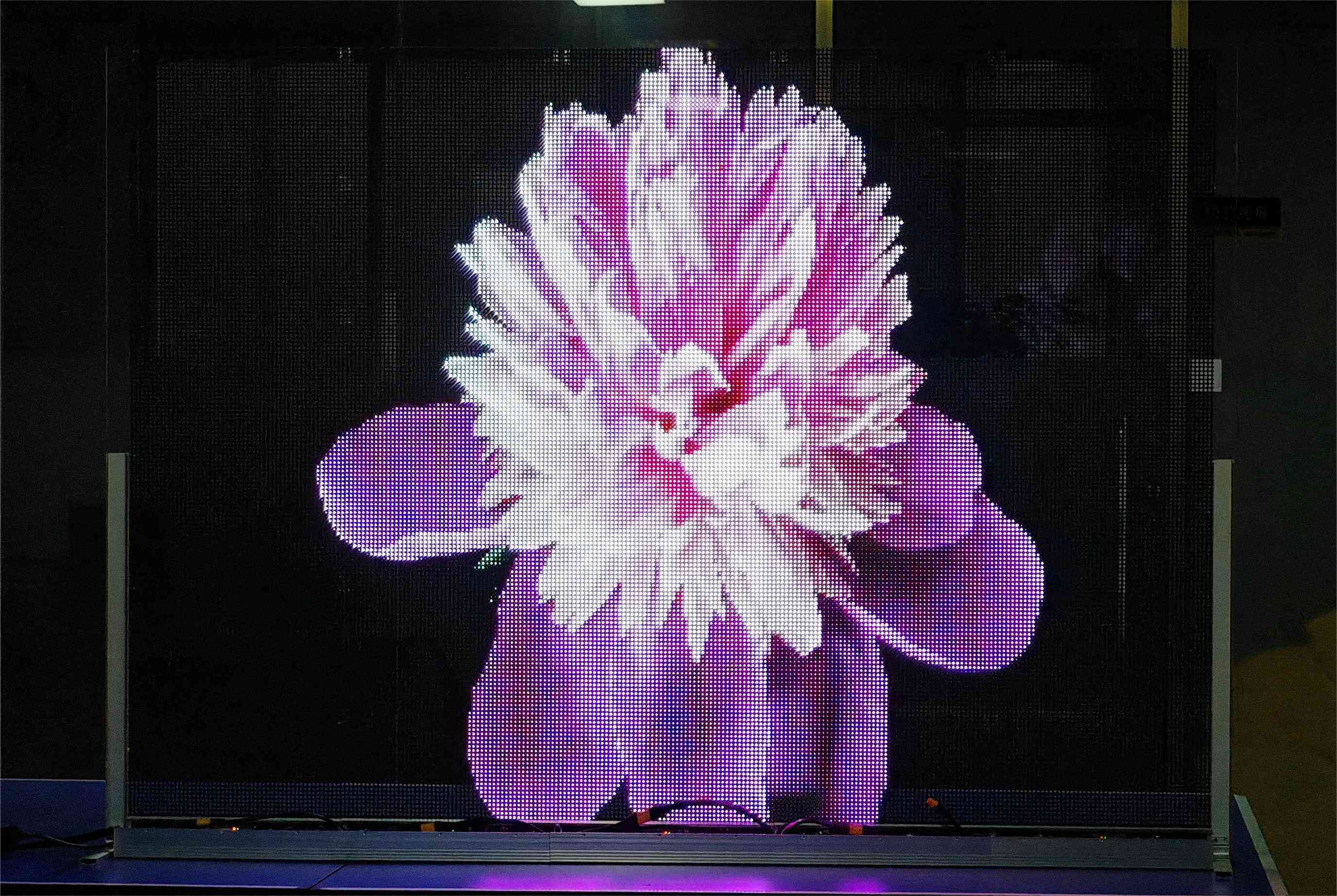
The prices of transparent screens on the market range from several thousand to tens of thousands, and many consumers are easily fooled by the low price. There is a hard indicator that must be seen clearly here, which is the light transmittance. A transparent screen with a light transmittance of less than 60% will appear dark when installed on the window, and will seriously affect the lighting in the store and product display. Do not buy this kind of screen. The light transmittance of high-quality transparent screens is usually between 70% and 90%, which is close to ordinary glass. This is what is truly called "transparent". The second is brightness and contrast. In view of the fact that ambient light may interfere with the screen display, the brightness must be at least 2,000 nits during daytime use, otherwise it will be impossible to see the content clearly under the sun.
What is also critical is the installation method. Some transparent screens need to be attached to the existing glass. This involves glue residue and cleaning issues, which may damage the glass surface in the long run. A better option is to customize an integrated transparent screen, which is directly embedded in the glass when it leaves the factory. It is both beautiful and durable. In addition, heat dissipation issues also need to be considered. Long-term high-brightness operation will generate a lot of heat. If the heat dissipation design is poor, the screen will easily freeze or its lifespan will be shortened. Finally, Don’t forget about software compatibility. Make sure that the control system provided by the supplier can be connected to your existing POS machine or inventory system to achieve data synchronization and update to prevent the inefficient operation of manually replacing content one by one. Only by choosing the correct parameters can the transparent screen truly become a help for your business, rather than a burden.