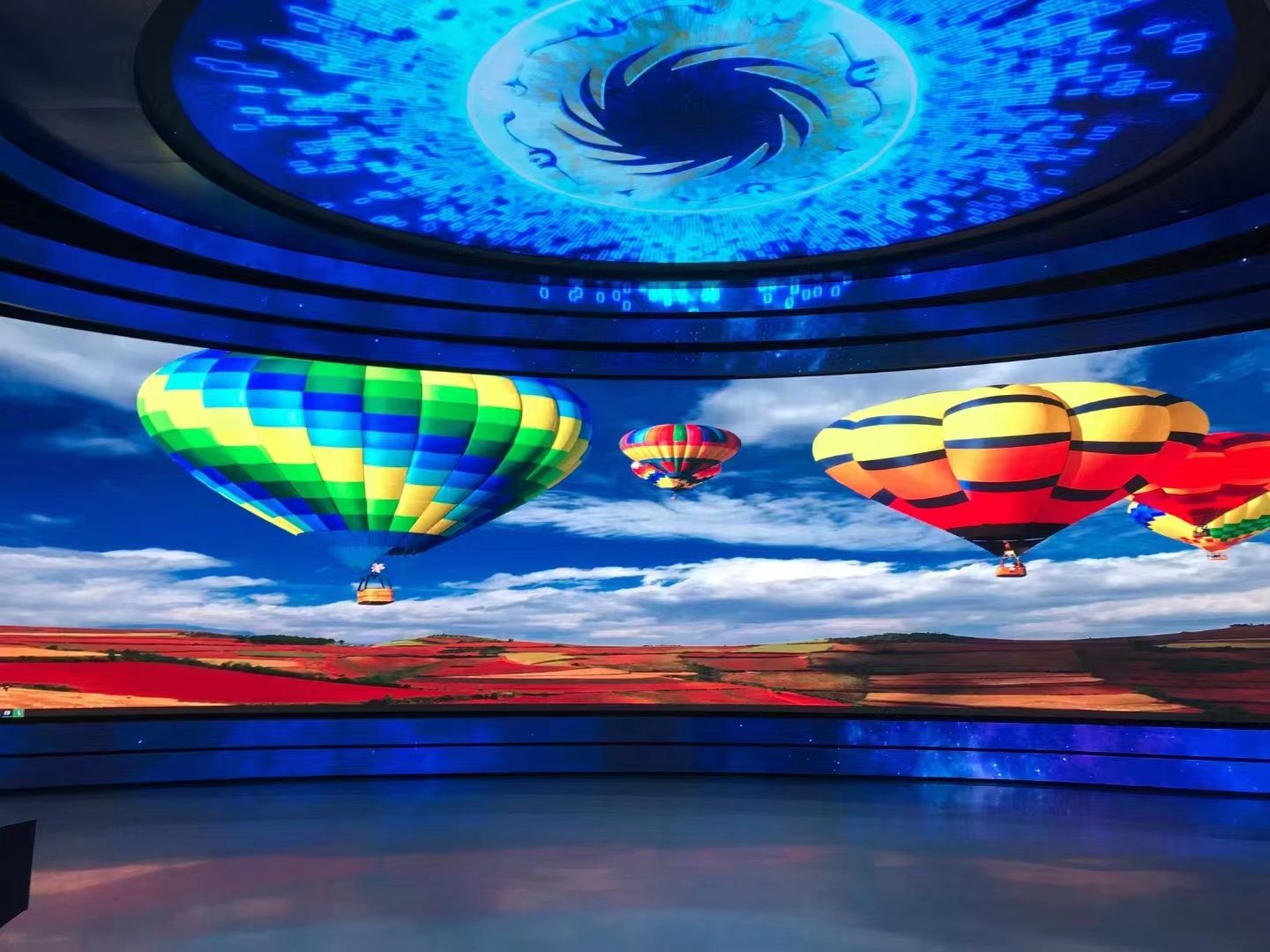
When it comes to transparent screens, many people's first reaction is the scenes that appear out of thin air in science fiction movies. In fact, it has quietly entered our lives. To put it simply, a transparent screen is a display device that can not only display images, but also allow you to see objects behind the screen. It does not block the line of sight like an ordinary screen, but is like a piece of luminous glass, overlapping virtual information with real scenes.
In what scenarios can transparent screens be used?
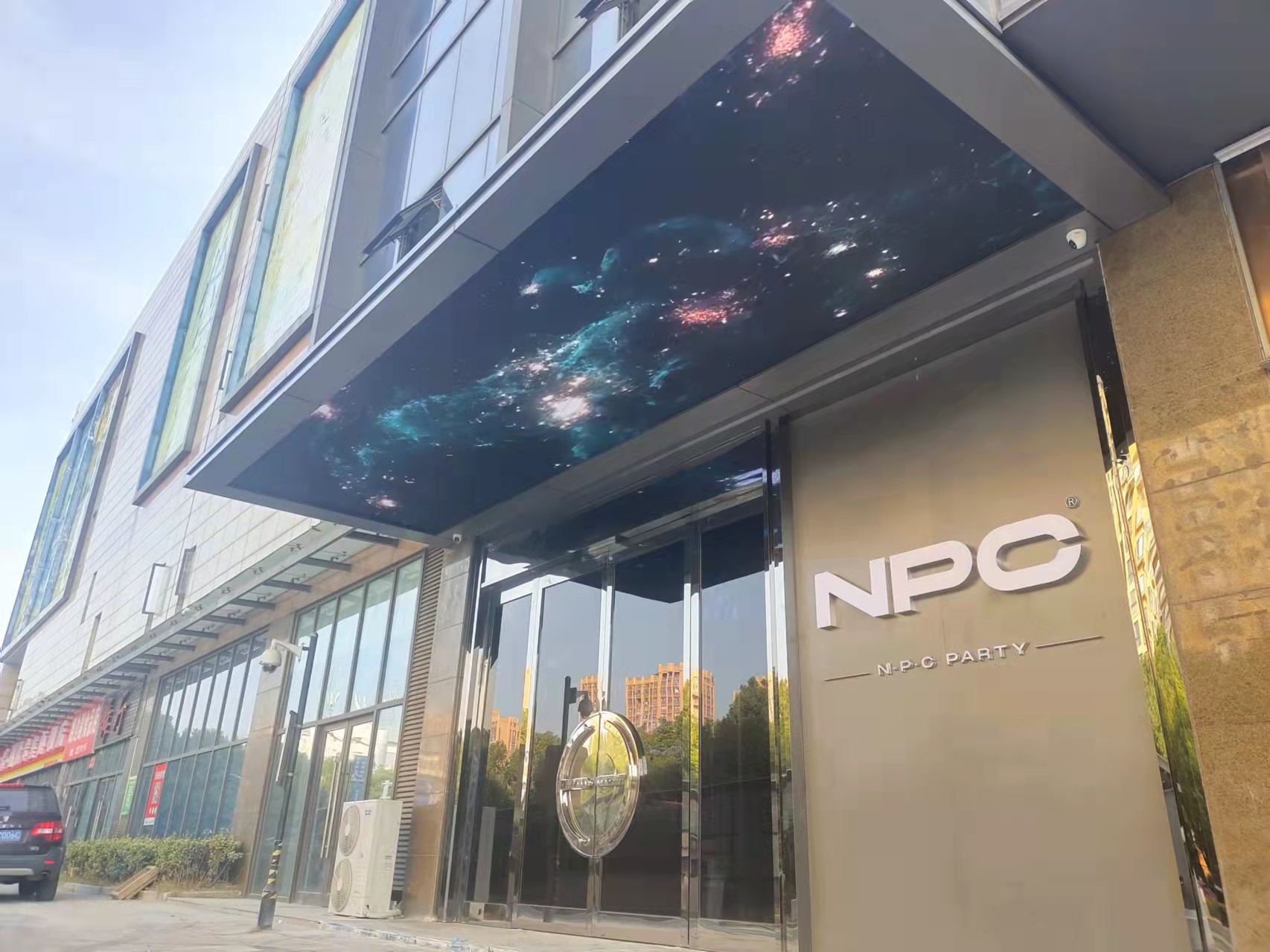
The most direct application scenario for transparent screens is where the window glass is located in shopping malls and exhibition halls. In the past, businesses were accustomed to posting posters and placing light boxes, but now they directly use transparent screens. During the day, the transparent screen is as transparent and bright as ordinary glass, and there is nothing unusual about it. When night falls, or when the action needs to be displayed, the transparent screen suddenly lights up. At this time, the products and advertisements can be clearly displayed at the same time, and people passing by can see this situation at a glance. In this case, this form of display is more attractive than traditional billboards and can quickly catch people's attention, and it does not take up additional space.
Transparent screens with significant advantages are used in the window glass of shopping malls and exhibition halls. Traditional posters and light boxes display in a single way. Transparent screens break this limitation. They maintain transparency during the day and do not affect the original visual effect of the windows. They can attract people with unique images at night or during display. It makes product display more vivid and advertising more efficient. Since there is no need to set up additional billboard space, it is an ideal display method and punctuation mark for shopping malls and exhibition halls with limited space.
Another common situation is that in museums and science and technology museums, there is a transparent screen next to the exhibits, which clearly displays the historical roots of the exhibits, the internal structure of the exhibits, the stories behind the exhibits, etc. Here, the audience can carefully examine the physical objects while reading the information displayed on the screen. In this way, the sense of experience is greatly improved, giving people a unique and rich feeling.
Some high-end retail stores are creative and use transparent screens as interactive devices. Customers can easily change the color or style of the product by simply sliding their finger on the screen. At this time, the images displayed on the screen and the actual objects placed behind them wonderfully form a unique effect of "combination of reality and reality", bringing customers a unique shopping experience.
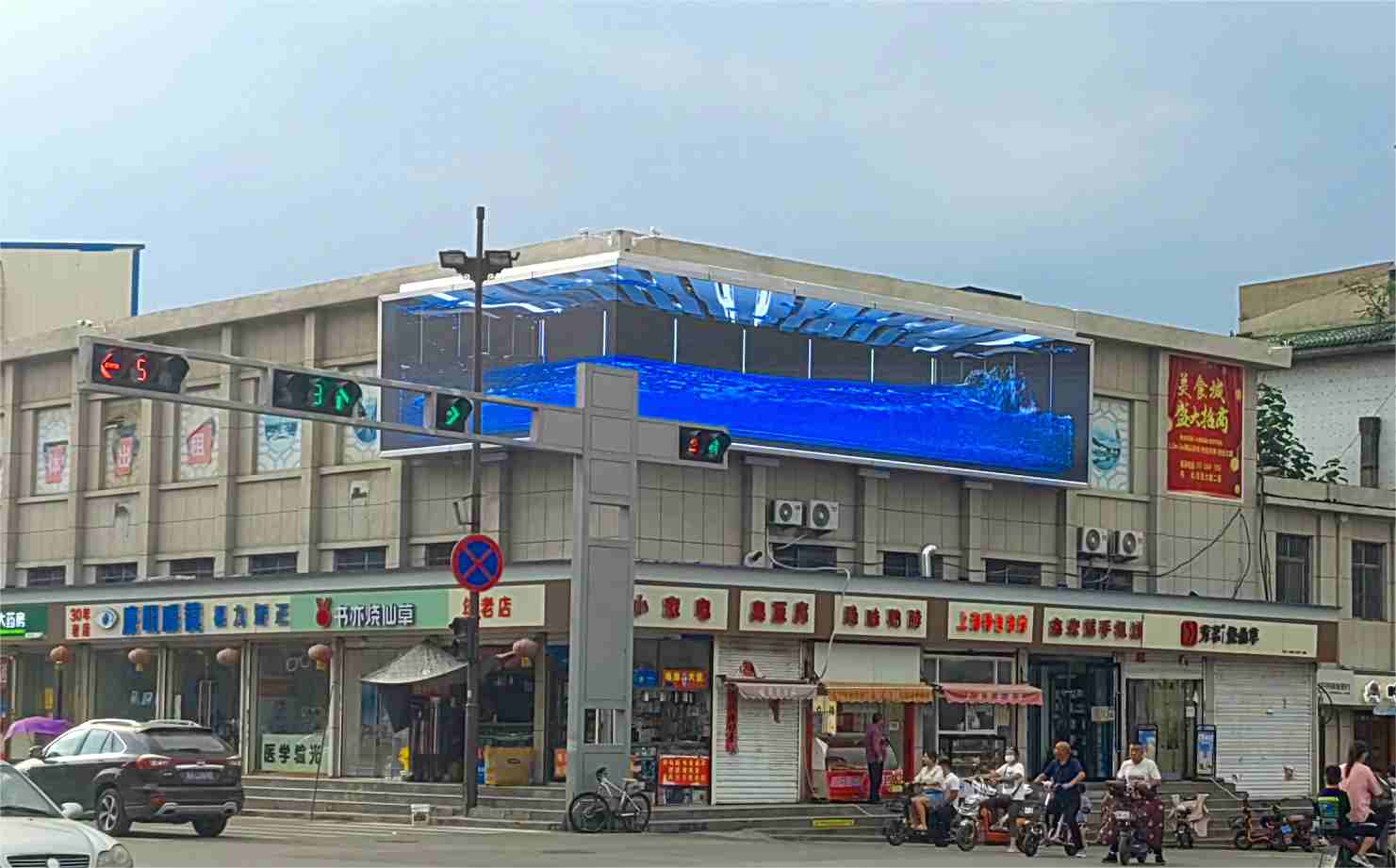
What are the advantages of transparent screens compared with ordinary screens?
Many people think that transparent screens are just ordinary screens with the back panel removed. In fact, the difference between the two is very significant. Ordinary screens have the characteristics of high brightness and high contrast, but there must be an opaque structure behind it as a support. Unlike ordinary screens, transparent screens use special light guide technology and luminescent materials in order to maintain transparency, which improves the utilization of light, and the power consumption is relatively low in comparison.
What’s more critical and important is that after installation, the transparent screen will not damage the original spatial vision. It is especially suitable for scenes that do not want to destroy the decoration style but at the same time have digital display requirements.
However it is not without flaws. The display effect presented by a transparent screen is easily affected by ambient light, and the picture will gradually fade under strong light conditions. And the higher the transparency, the worse the display effect. This is a technical problem that requires constant balance. Therefore, many transparent screen products on the market are actually translucent, with a light transmittance between 60% and 80%. They can clearly see objects behind them without affecting the clarity of the picture.
The transparent screen is not a universal alternative. Its unique value lies in its "non-obstruction". When information needs to be displayed without destroying the transparency of the space, the transparent screen is the most suitable choice. The technology is still improving and the cost is slowly decreasing. In the future, it may appear in more places you don't expect.