
Indoor LED How To Choose Indoor LED Screen? Clarify These 5 Questions Before Spending Any Money
In recent years, indoor LED screens have become more and more common in commercial places. You can see it in company conference rooms, in shopping mall atriums, and in exhibition hall events. A high-quality indoor LED screen can instantly enhance the atmosphere of the space. Since I started working in this industry, I have seen many customers waste a lot of money because they don’t understand the industry. Today I will share the useful information I have accumulated over the years with friends who are thinking about buying it.
Where can indoor LED screens be used?
As one of the common application scenarios for indoor LED screens, in conference rooms, many companies used projectors for meetings in the past. However, the images presented by the projectors were gray and lacked brightness. Even if the curtains were closed in broad daylight, it was still unclear when viewing. After switching to indoor LED screens, whether it is a PPT display or a video demonstration, the images presented are clear and sharp, and can also be spliced into a large-size display wall, allowing dozens of people to watch at the same time without any pressure.
Shopping venues and exhibition venues are also often used. Brand new product launch events, product sales exhibitions, and event check-in areas, LED screens can create a very good visual atmosphere. Some high-end shopping malls will also embed LED screens into the walls or floors to create immersive display spaces that will attract customers passing by. In such a scenario, choosing an ultra-fine pitch screen below P2 will provide better detail presentation.
Catering shops and retail stores have also begun to experiment with LED screens. Some Internet celebrity restaurants will install a vertical LED screen on the wall to play food videos. It can not only display dishes, but also create an atmosphere. In addition, some clothing stores use LED screens to display dynamic models, which are more impactful than ordinary posters. Such applications do not require high screen brightness, but color reproduction must be accurate.
What is the price range of indoor LED screens?
Indoor LED screens with different specifications have very different prices. Entry-level products are usually used for small conference rooms or store displays. The spacing is about P2.5, and the price per square meter is about 3,000 yuan to 5,000 yuan. This price is suitable for users with limited budgets and low requirements for picture precision.
In the case of high-definition conferences or brand displays, screens in the range of P1.5 to P2 are generally selected, and the price per square meter is in the variable range of 6,000 and 12,000 yuan. The screen dot spacing within this range is smaller, and there will be no graininess even when viewed at a close range, which is suitable for occasions where image quality is required.
High-end places such as studios and command centers may use screens below P1, and the price per square meter can easily exceed 10,000, or even more than 20,000. However, the needs of these scenes are relatively special, and ordinary commercial users will basically not use them.
It’s not just the screen itself, but the installation and debugging, the control system, and supporting costs such as the bracket structure also need to be calculated. Typically, these additional costs account for between 20 and 30 percent of the total budget. It is recommended that suppliers list all costs in detail during the inquiry period to prevent price increases later on.
What parameters should you pay attention to when choosing indoor LED screens?
The first thing to consider is the resolution. The resolution of the screen is determined by the pixel pitch and the screen size. The smaller the pixel pitch, the more pixels will be in the same area, and the picture will be more delicate. If the viewing distance is relatively close, such as within 3 meters, it is recommended to choose a screen below P2. If the distance is more than 5 meters, then P2.5 or P3 are also acceptable.
In such a situation, brightness is one of the key indicators. Indoor ambient light can be relatively controlled. Generally, the brightness requirement of the screen is 800 to 1500 nit. If it is too bright, it will be dazzling. If the light is too dim, it will lack clarity. If your venue has large windows and is exposed to direct sunlight, it is recommended to choose a high-brightness screen.
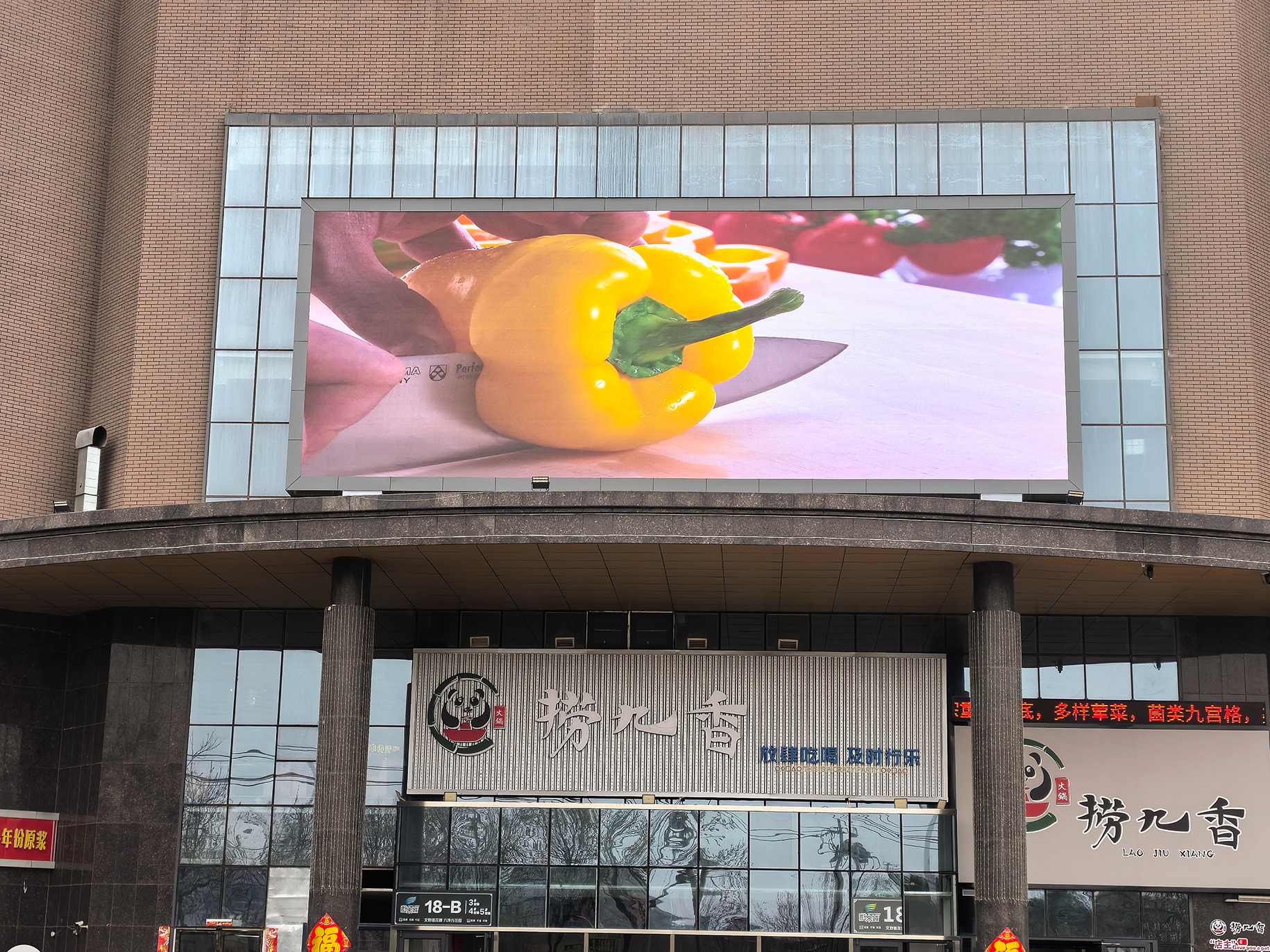
The smoothness and layering of the screen image depend on the refresh rate and grayscale. The higher the refresh rate, the less likely scanning lines will appear during the process of shooting the image. It is recommended to choose a screen product with a refresh rate of no less than 14bit. Only with a grayscale level of 14bit or above can a richer color transition effect be displayed.
In terms of power consumption, the power consumption of LED screens currently used in mainstream indoor venues has been well controlled. The power consumption in the static state is usually in the range of 150 to 300 watts per square meter. However, you must also pay attention to the peak power consumption. Some such products will suddenly increase when playing high-brightness images. During this period, you need to confirm whether the power configuration is sufficient.
How to maintain indoor LED screens
The most basic maintenance work is daily cleaning. It is recommended to gently wipe the screen surface with a soft dry cloth every week to remove dust. Never use a wet cloth or spray water directly. Moisture entering the module will cause a short circuit. If you find that individual lamp beads do not light up, contact the supplier as soon as possible to replace them and do not delay for too long.
The cooling system needs to be checked regularly. The LED screen will generate heat when it is working. If the ventilation is not good, it will cause color shift or even damage. The operation of the fan should be checked every few months, and the dust at the air inlet should be cleaned to ensure smooth heat dissipation.
After being used for a long period of time, the brightness of the screen may attenuate or the color temperature may drift. This is a normal phenomenon. If it affects the use effect, you can contact the manufacturer for brightness calibration or module replacement. Some high-end screens support point-by-point correction, which can maintain color consistency for a long time.
It is recommended to conduct a comprehensive inspection once a year, covering the condition of core components such as power supply, receiving card, and sending card. A maintenance detailed list should be compiled and taken and archived after each maintenance, so as to facilitate the tracing of problems in the future.
Which is better, indoor LED screen or traditional display screen?
Compared with traditional LCD splicing screens, indoor LED screens have several outstanding advantages, the most significant of which is the feature of seamless splicing. No matter how small the size of the LCD screen, there will always be a border. When a large screen is presented, obvious black lines will appear to divide it. However, LED screens can achieve a truly seamless effect, and their visual integrity is even better. In those scenes where a complete picture needs to be displayed, such as map display, video wall presentation, etc., LED screens are an ideal choice.
LED screens have the advantage of size flexibility. The size of the LCD screen is fixed, with a maximum of about 100 inches. LED screens can be spliced at will, from a few square meters to dozens of square meters, and special-shaped screens can be customized according to the shape of the venue. If the space of a conference room or exhibition hall is irregular, the LED screen can be perfectly adapted.
Of course, LCD screens have advantages. For example, it costs less. And its technology is mature. However, for those business users who pursue image quality and flexibility. The overall cost performance of indoor LED screens is actually higher. Especially with the proliferation of technology. Its prices are becoming more and more affordable.
LED screens placed indoors are no longer a novelty and rare thing. Understand the application scenario, understand the price range, know the key parameters, master the maintenance methods, and then choose the product, so that you can spend your money on useful places. Remember: Appropriateness is more important than expensiveness. Choose according to actual needs and budget, so that you can buy a satisfactory product.



