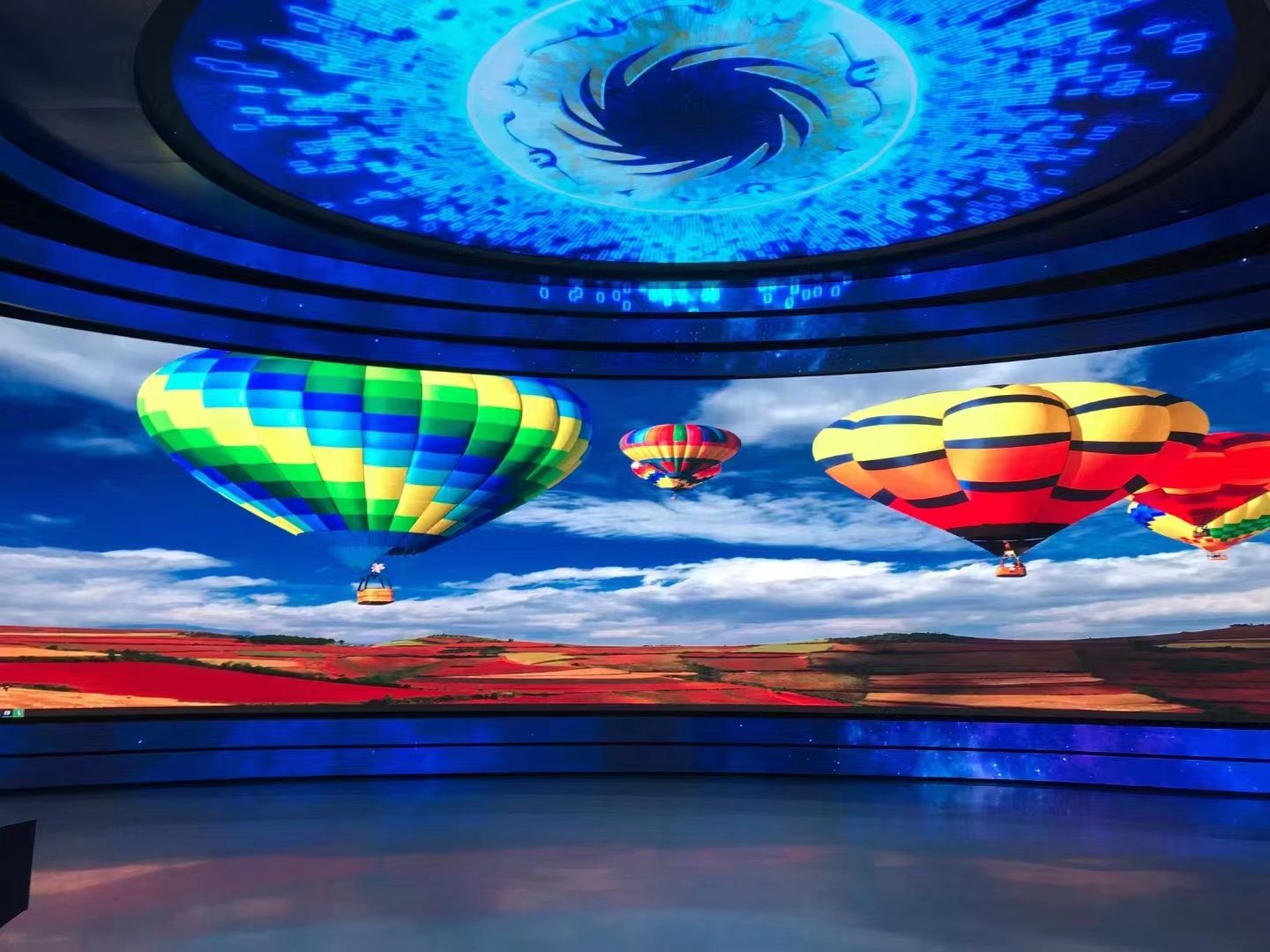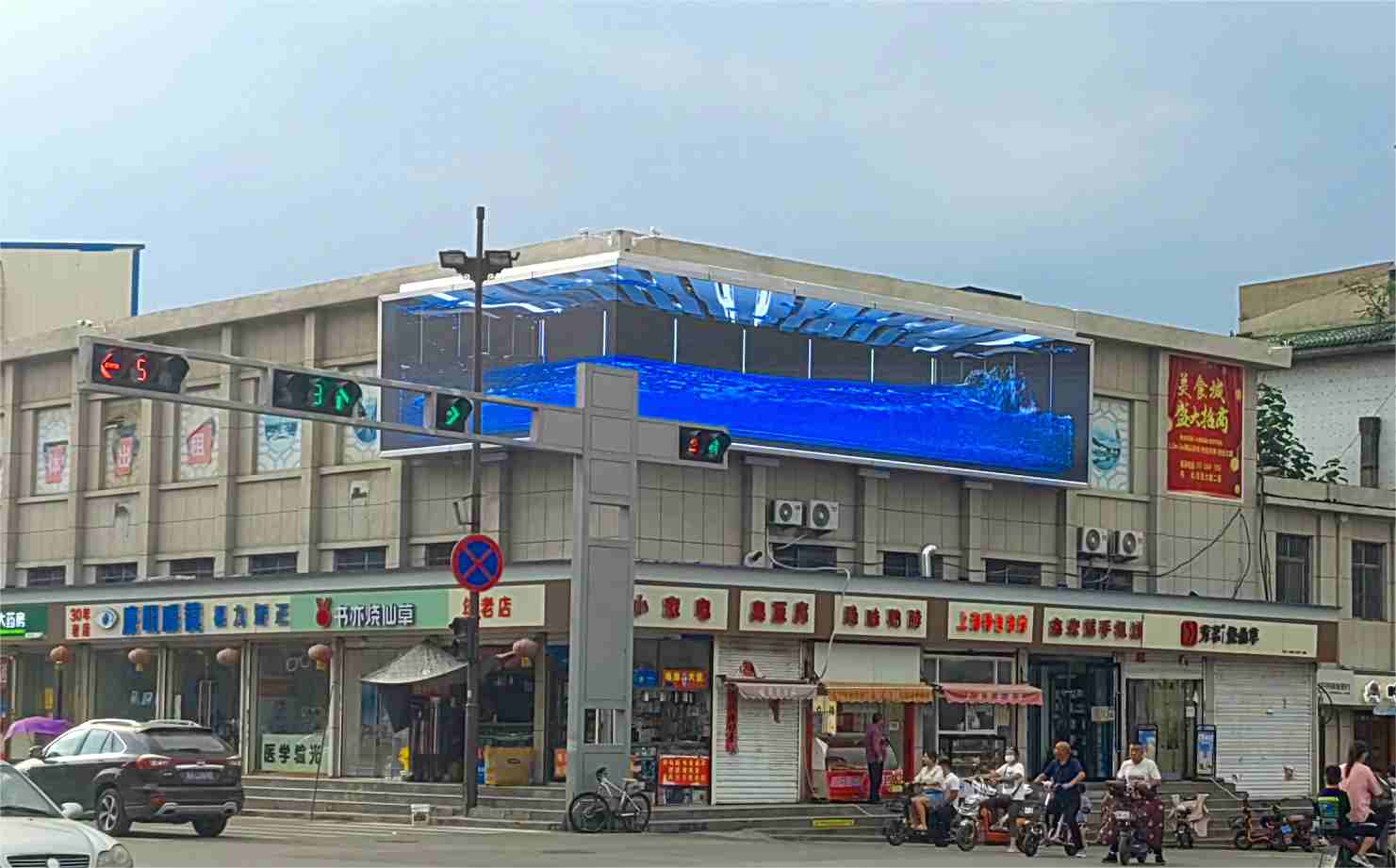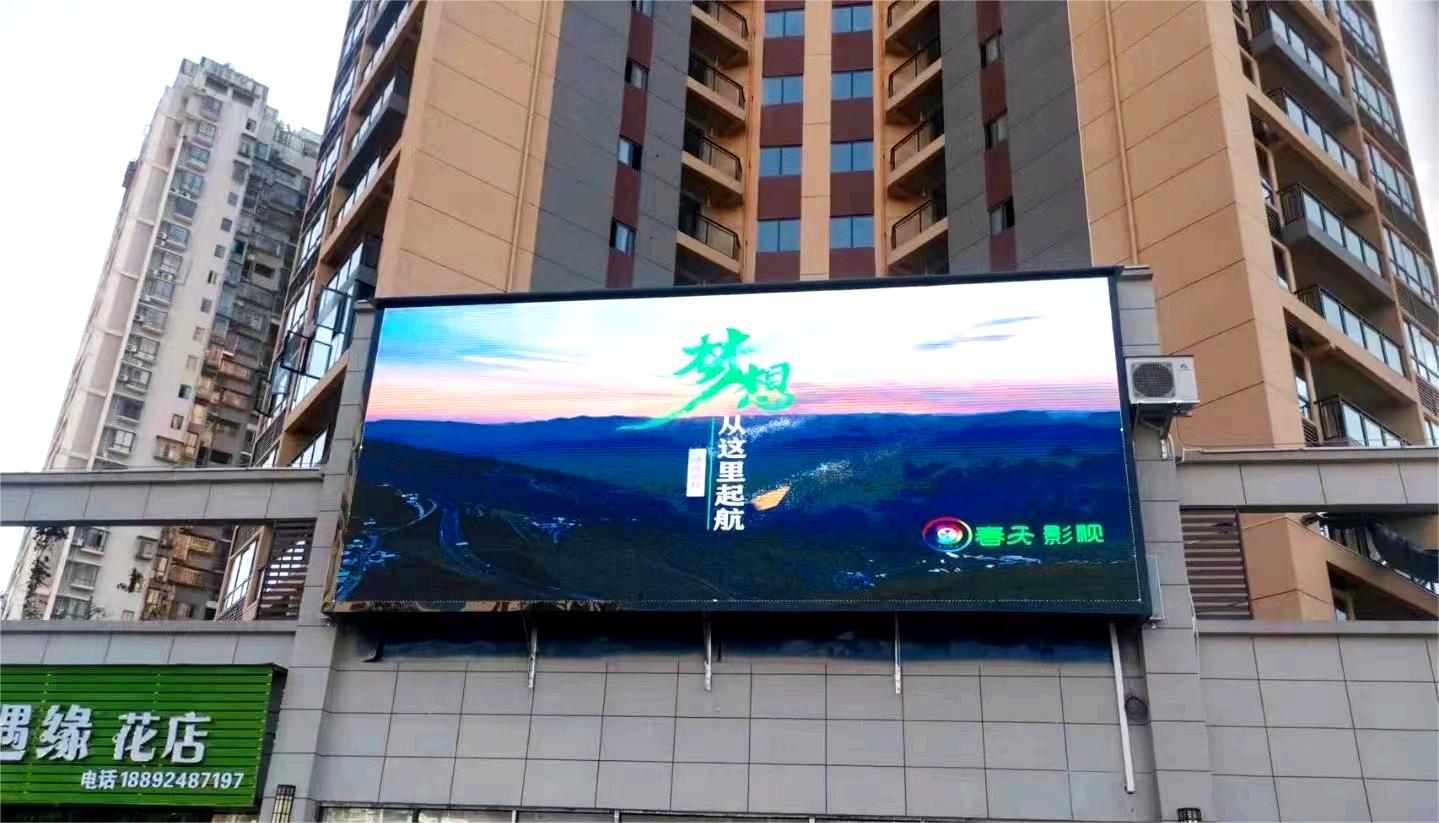
Transparent screens, when first heard, seem like a novel object found in science fiction movies, but in fact, they have quietly entered our daily lives. Briefly speaking, a transparent screen is a screen with special functions. It can not only display the picture clearly, but also allow people's sight to pass through without obstruction. It does not block the picture, but subtly allows the information to be suspended in the real scene in an unusual way, like a magical piece of glowing glass.
I have had experience with many transparent screen application examples, including window displays in bustling shopping malls, and the wonderful presentation of various exhibitions. On the basis of fully respecting and retaining the original beauty of the space, rich and diverse digital content is ingeniously superimposed and integrated. This is the core value of transparent screens, which in turn brings people a unique visual experience and a different form of information transmission, and so on.
Where is the transparent screen suitable for installation?
The first reaction of many people is to hang the transparent screen on the wall and use it as a TV, but in fact this is not the best choice. What the transparent screen is good at is making full use of the existing glass surface, just like the display window of a shop facing the street. You don't need to remove the original glass, just add a transparent screen on the inside of the glass. During the day, customers can see the products in the store through the transparent screen, and at night or during a specific time period, the screen lights up to display product advertisements or promotional messages. This approach not only retains the original openness of the store, but also adds a digital display location.
The transparent screen with unique application advantages can cleverly use the glass surface to achieve functions, and its role is well reflected in the shop window scene. During daily business hours, the combination of transparent screens and glass allows customers to clearly see the product layout in the store from outside the store. When the screen is turned on at a specific time, a rich variety of advertising and promotional information will be displayed. This method not only does not destroy the openness of the store, but also brings new display space to the store through digital means, prompting the store to use transparent screens to achieve more modern publicity and promotion based on traditional display.
The home locations of transparent screens include museums and exhibition halls. Placing an LCD screen in front of a traditional showcase can block the view, but a transparent screen can be directly pasted on the showcase glass. While viewing the actual cultural relics in the showcase, visitors can also see superimposed explanatory texts or restored animations through the screen. This method of combining virtuality and reality is much more vivid than a simple graphic display board, and is especially suitable for displaying exhibits that are difficult to touch or require a background story.
How to avoid overturning with transparent screens
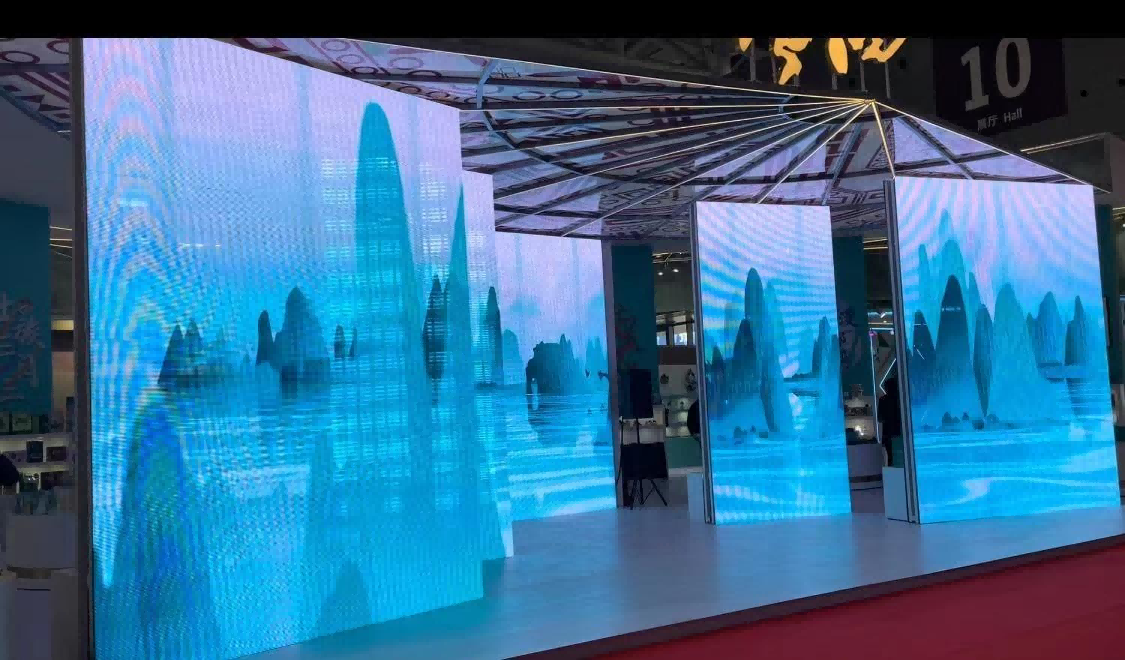
Although the transparent screen is indeed very cool, if it is not used properly, the result will be counterproductive. The most critical issue is light interference. If the light in the environment is too strong, such as sunlight falling directly on the screen, the picture will become extremely thin and almost difficult to see. Therefore, the installation point should be away from the direct light source, or used with a blackout curtain. In addition, the things behind the screen should not be too cluttered. If the background is full of clutter, the information conveyed by the screen will conflict with the background, causing the audience to not see anything clearly.
When designing content, you must closely follow changes in the scene. Transparent screens are not suitable for displaying dense text because the background will interfere with reading. Therefore, it is best to use large font sizes and high-contrast colors, and keep the graphic design simple. Motion effects are also not suitable for being too complicated. The flickering images look like ghosts on the transparent screen.
There is another point that is easily overlooked by everyone, and that is the frame and thickness of the screen. If the frame is too rough, the transparency will be greatly reduced. Therefore, it is necessary to choose a narrow-frame, thin and light product. When installing, it should be embedded into the wall or glass as much as possible to achieve the "invisible" effect.
After all, the transparent screen is a tool, not the protagonist. Its value lies in making information naturally integrate into the environment, rather than jumping out to attract attention. When used in the right place, it is an elegant entrance to augmented reality. If used wrongly, it becomes an eyesore electronic screen. It is wise to understand the needs of your own scene and then decide whether to use a transparent screen.