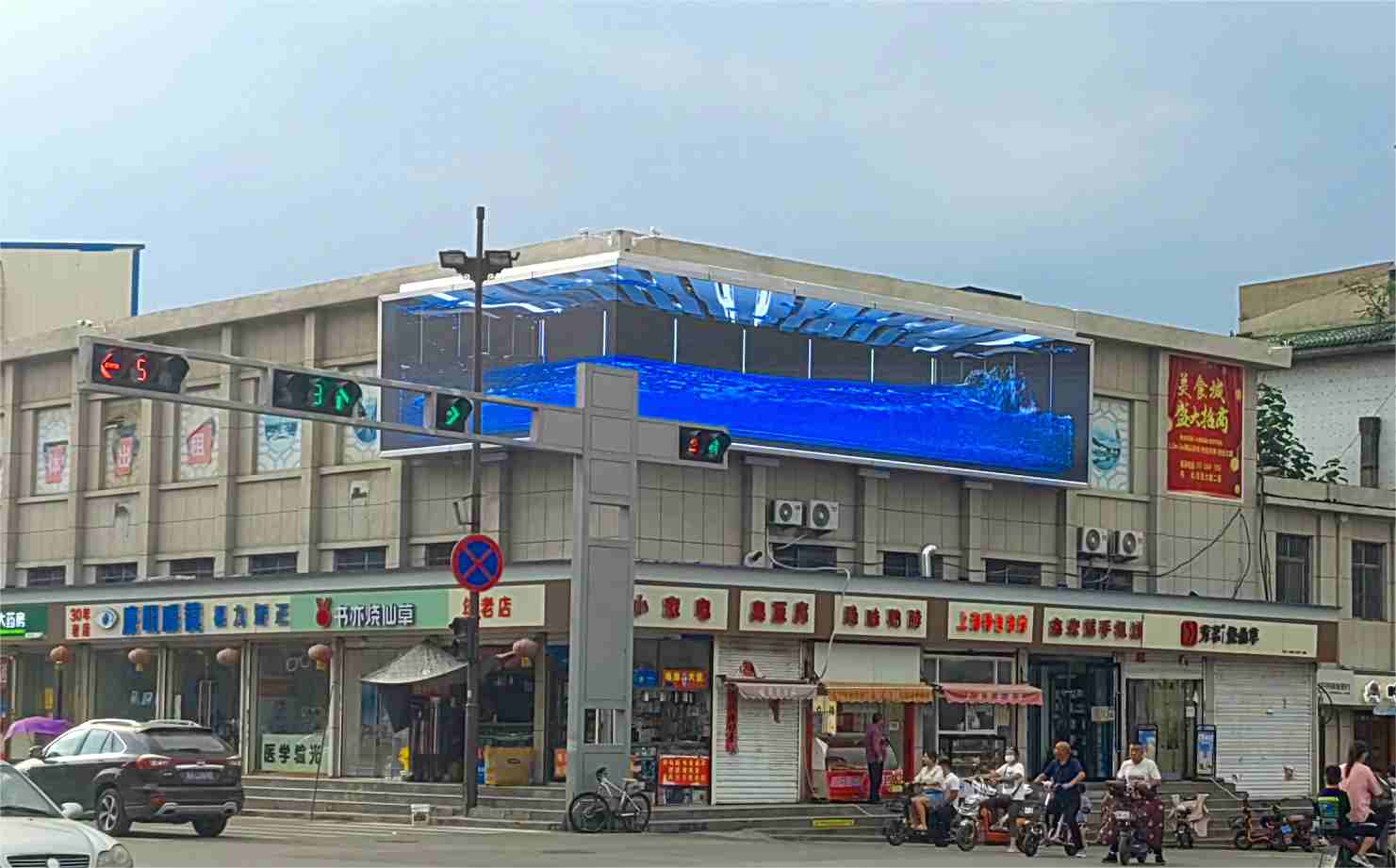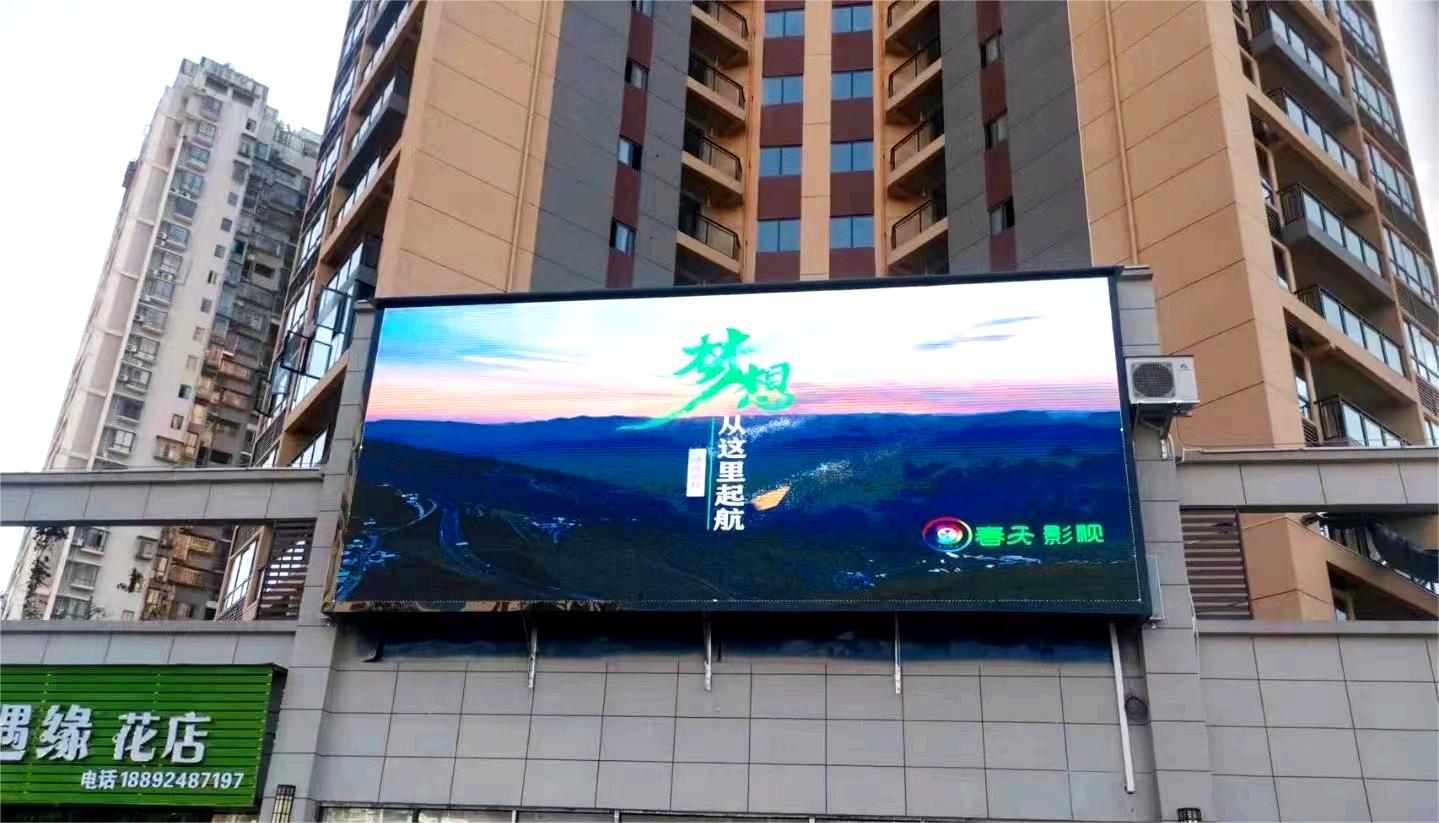
Transparent screens have become very popular in recent years. You can see its shadow in shopping mall windows, on museum display cases, and even on the menu walls of some high-end restaurants. To put it simply, a transparent screen has a screen that can both display images and a screen through which the scenery behind can be seen. It has a full sense of science fiction, but many people are stunned when they first come into contact with it. People will wonder how to choose this product. Its price ranges from several thousand to tens of thousands. What is the difference?
Is the display principle of transparent screen reliable?
A lot of people worry that a transparent screen is equivalent to pasting a transparent sticker on a glass wall, causing the picture to become blurry. In fact, the current mainstream transparent screens are mainly divided into two principle categories. One is the LCD transparent screen, which uses backlight to penetrate the liquid crystal molecules to achieve imaging. The display effect is stable and clear, but the frame will be slightly thicker. The second is the OLED transparent screen, the pixels can emit light by themselves, and the black part is completely transparent. It is as light as a piece of paper, but the price has doubled.
During real use, the transparent LCD screen performed well in indoor lighting environments. Especially when used in the field of commercial display, when playing product videos, customers can clearly see the content of the screen and intuitively see the actual object. Such a display effect can greatly enhance customers' knowledge and perception of the product. However, special attention should be paid to the fact that if the background light behind the transparent LCD screen is too bright or the background image is too colorful and complicated, part of the image displayed on the screen will be swallowed up, thus interfering with the display effect. Therefore, when carrying out installation work, it is necessary to accurately calculate various parameters involved in ambient light to ensure that the LCD transparent screen can show optimal display performance.
In comparison, OLED transparent screens have better permeability and can present clearer and more realistic picture effects. However, OLED transparent screens have an obvious problem, that is, when displaying static images for a long time, there is a high probability of screen burn-in. Therefore, OLED transparent screens are more suitable for use in scenes that require frequent changes in display content. Only in this way can the screen burn-in problem be effectively avoided, and its advantages can be fully utilized to provide users with a good user experience!
When making a purchase, the key depends on your usage scenario. If it is placed in a shopping mall window to display goods, LCD transparent screens are more cost-effective; if it is used in high-end art exhibitions or technology exhibition halls, the borderless effect of OLED is amazing enough.

Will the installation and maintenance of transparent screens be troublesome?
Many people realize after buying a transparent screen that its installation is much more complicated than they imagined. Normally, household TVs can be hung on the wall, but transparent screens have to consider the placement of objects behind them and the coordination of lights. A customer installed a transparent screen at the company's front desk, but as a result, a pot of green plants was placed behind it. When the screen was played, the color of the green plants was mixed with the text on the screen, making it impossible to see clearly.
When installing, you must first determine the distance between the screen and the objects coming from behind. It must be at least fifty centimeters, otherwise the transparency will be lost. Secondly, the power cables and signal cables must be buried in advance. Transparency pursues simplicity, and it will be particularly ugly if the cables are exposed. In terms of maintenance, transparent screens are more delicate than ordinary screens and cannot be wiped directly with a wet cloth. LCD panels are prone to leaving water stains, and OLED panels need to be more careful with surface scratches.
In daily use, the most annoying thing is dust. The front and rear parts of the screen are transparent, and dust falling on it is extremely conspicuous, and you must be extra careful when wiping it. Some brands will be equipped with anti-static coating, which can reduce the adsorption of dust. However, there is also a negative effect, that is, the screen will be slightly white. If the installation environment is dusty or close to areas where cooking fumes are produced, it is recommended to install an additional layer of protective glass. Although it will affect the transmittance of light, at least it will save a lot of worry.
Ultimately, the transparent screen is a piece of equipment that is quite professional. Before purchasing, it is best to find a team with installation experience to check the site conditions on site. Don’t wait until the goods arrive to realize that you cannot install them. After it is actually put into use, the brand-enhancing effect brought about by the sense of technology will make people think that this investment is of full value.