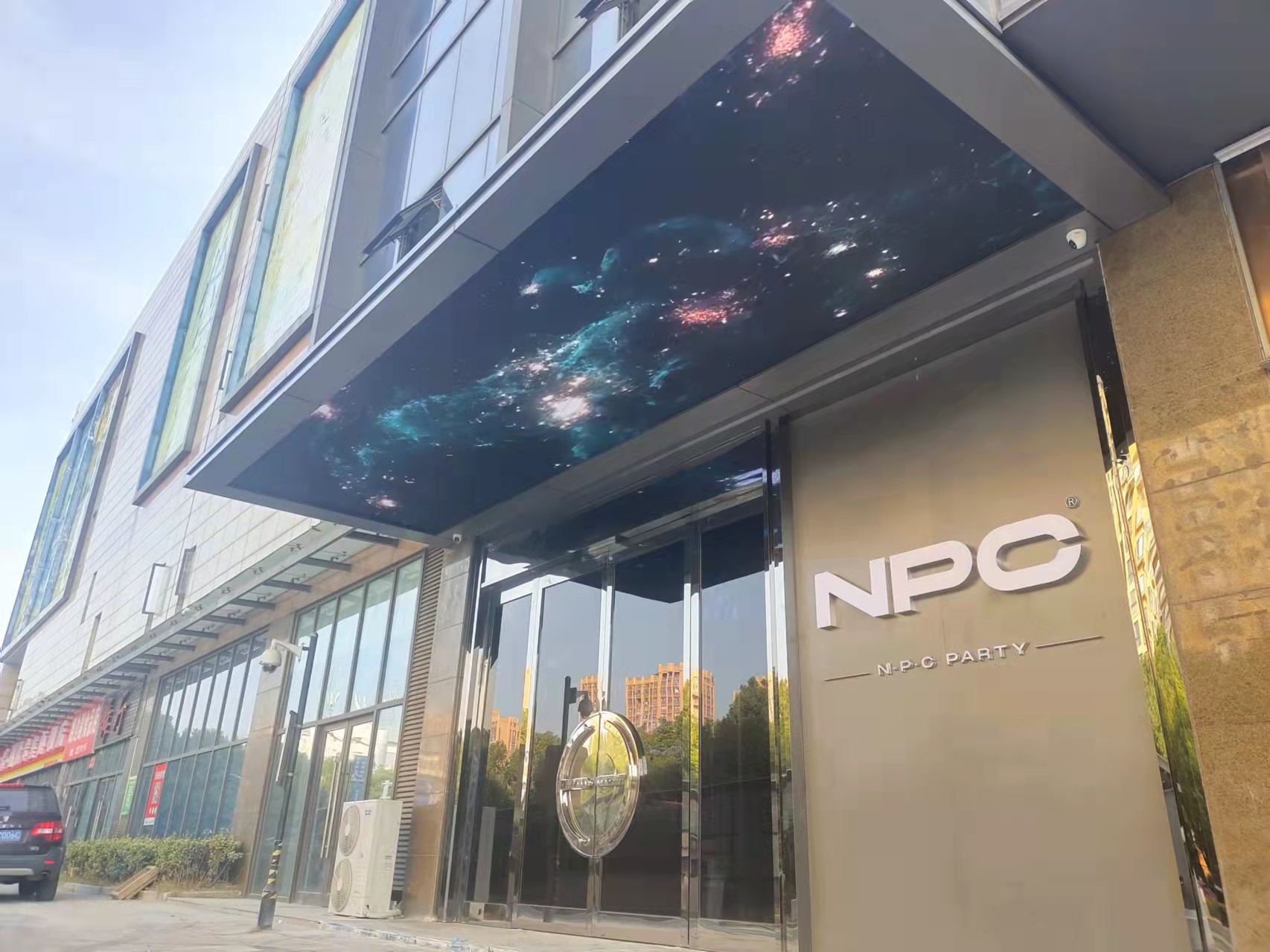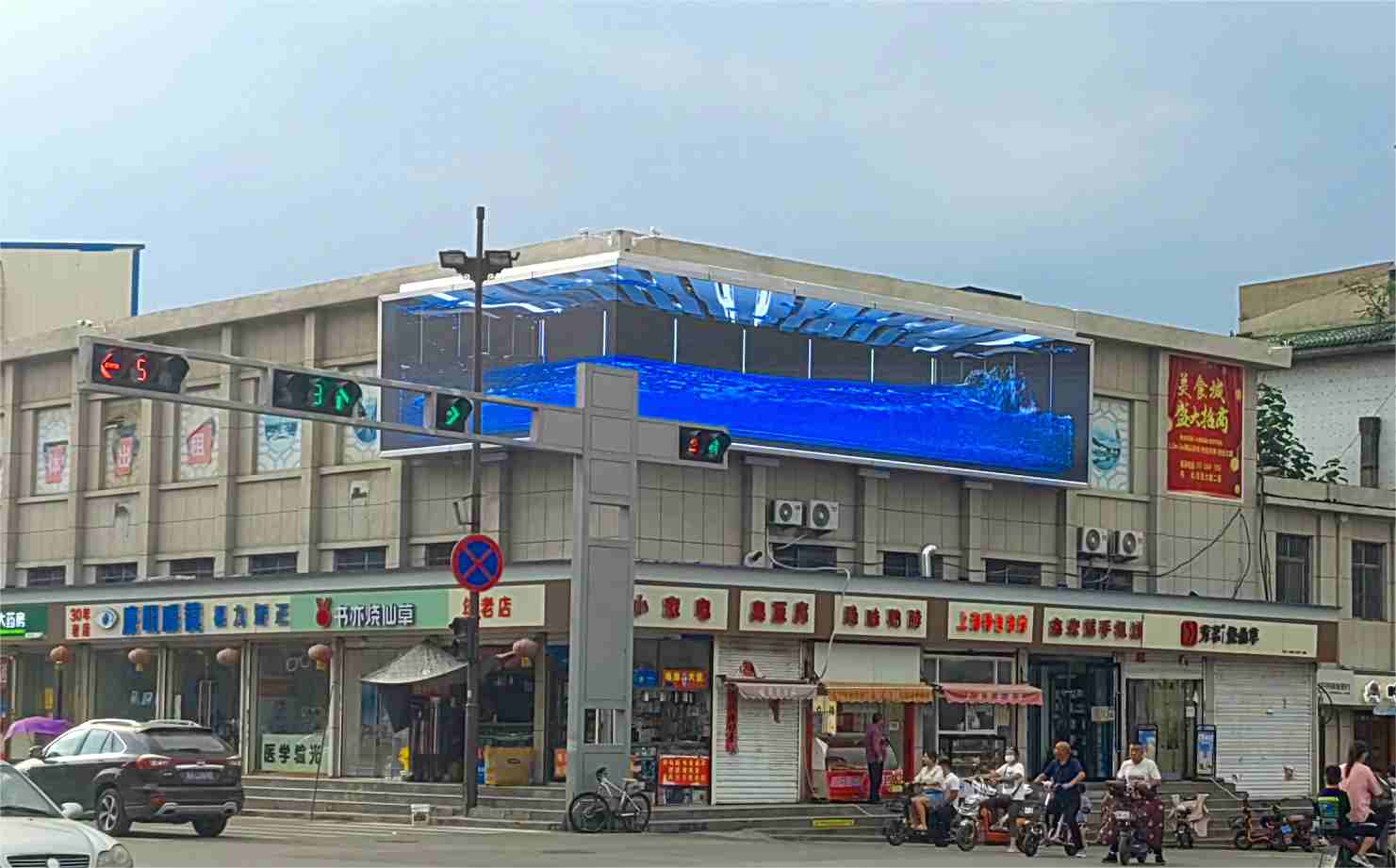
Transparent screens, to put it simply, are display devices with special functions. They can not only clearly display various images, but also allow people to directly see objects behind them through the screen. In the past few years, transparent screens have become more and more common in many places, such as shopping mall windows, exhibition areas, and even some office doorways with a sense of technology.
However, when many people encounter a transparent screen for the first time, their most intuitive feeling is that it looks very cool. But when it comes to the actual purchase, I have no idea how to start. Which kind of transparent screen is suitable for you, what is the price difference between different transparent screens, and whether the actual effect after installation can meet expectations. Questions like these really give many buyers a headache.
How many types of transparent screens are there?
The transparent screens shown to everyone in the market do not only have a single type of expression and form. The most common and well-known transparent screens now include: one is a transparent LCD screen, and the other is a transparent OLED screen. In addition, there are transparent LED film screens provided to customers and other demanders.
Although the transparent LCD screen has the characteristics of being relatively acceptable to the public at the price level, its light transmittance is at an ordinary level. This characteristic makes it suitable for use in situations where indoor light can be effectively controlled, such as the display windows of brand counters. The transparent OLED screen has stunning picture quality and is excellent in terms of black level performance. However, it is expensive and has an upper limit on size, so it is more commonly used in high-end conferences or art exhibitions and other occasions. The uniquely lightweight and flexible transparent LED film screen can be attached to glass and has high light transmittance, so it is suitable for large-area glass windows in large building curtain walls.
Each type of technology has different principles and applicable scenarios. If you just want to put a few dozen inches of display equipment in the store, a transparent LCD screen can generally meet your needs. But if you want to achieve dynamic visual effects on the entire glass curtain wall, transparent LED film will be a more suitable choice. Before purchasing, you must first think clearly about where you want to install it, how big the installation area is, and what the ambient light is like, and then choose a suitable type, so that you will not find that the actual effect does not meet your expectations after buying it back.
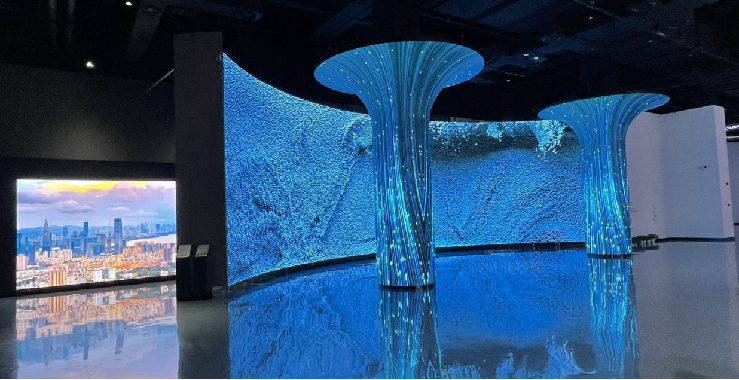
When actually selecting related products, you must carefully consider multiple factors. You need to be clear about your specific requirements for display effects, such as whether you want a clearer picture, more vivid and vivid color presentation, etc. Different installation locations have different requirements for product performance. A small space may place more emphasis on product flexibility, while a large display area may have higher requirements for product brightness, resolution, etc. The strength or weakness of ambient light will have an important impact on the final visual effect. When the light is strong, higher brightness products may be needed to ensure clear visibility. When the light is dark, products with special display effects may be considered. In short, you must consider these factors carefully in order to make the most appropriate choice.
What should you pay attention to during installation and daily maintenance?
A transparent screen is not as easy as buying it and plugging it in and using it directly. It must be coordinated with the player and control system, and sometimes the load-bearing and structure of the glass must be considered. For example, for transparent LED film screens, the glass surface must be cleaned first, and then fixed with special glue or brackets. The cable route must also be planned in advance. If the installation site has been decorated, the later wiring may be quite troublesome.
In terms of daily maintenance, transparent screens are more sensitive to dust and oil than ordinary displays. This is because the screen itself is transparent, and stains will be particularly noticeable once stained. Therefore, it is recommended to wipe it regularly with special detergent and soft cloth, and be careful not to use liquids containing alcohol or corrosive ingredients.
Apart from this, the heat dissipation problem cannot be easily ignored, especially for transparent OLED screens that are in a high-brightness and long-term operation state, which will be extremely prone to heat generation. Therefore, it is best to provide ventilation space on the back of the screen. If this is a transparent screen for outdoor use, waterproofing and sun protection measures must also be considered, otherwise the aging rate of the screen itself will be greatly accelerated.
Indeed, transparent screens are a good tool that can enhance the sense of technology and visual appeal of a space. However, before purchasing, be sure to consider the type of technology, installation conditions, and subsequent maintenance. Don’t just be attracted by the selling point of “transparency” and ignore the details in the actual use process. Only when it matches the specific scene and needs can the transparent screen truly exert its own value, rather than becoming a superficial decoration.