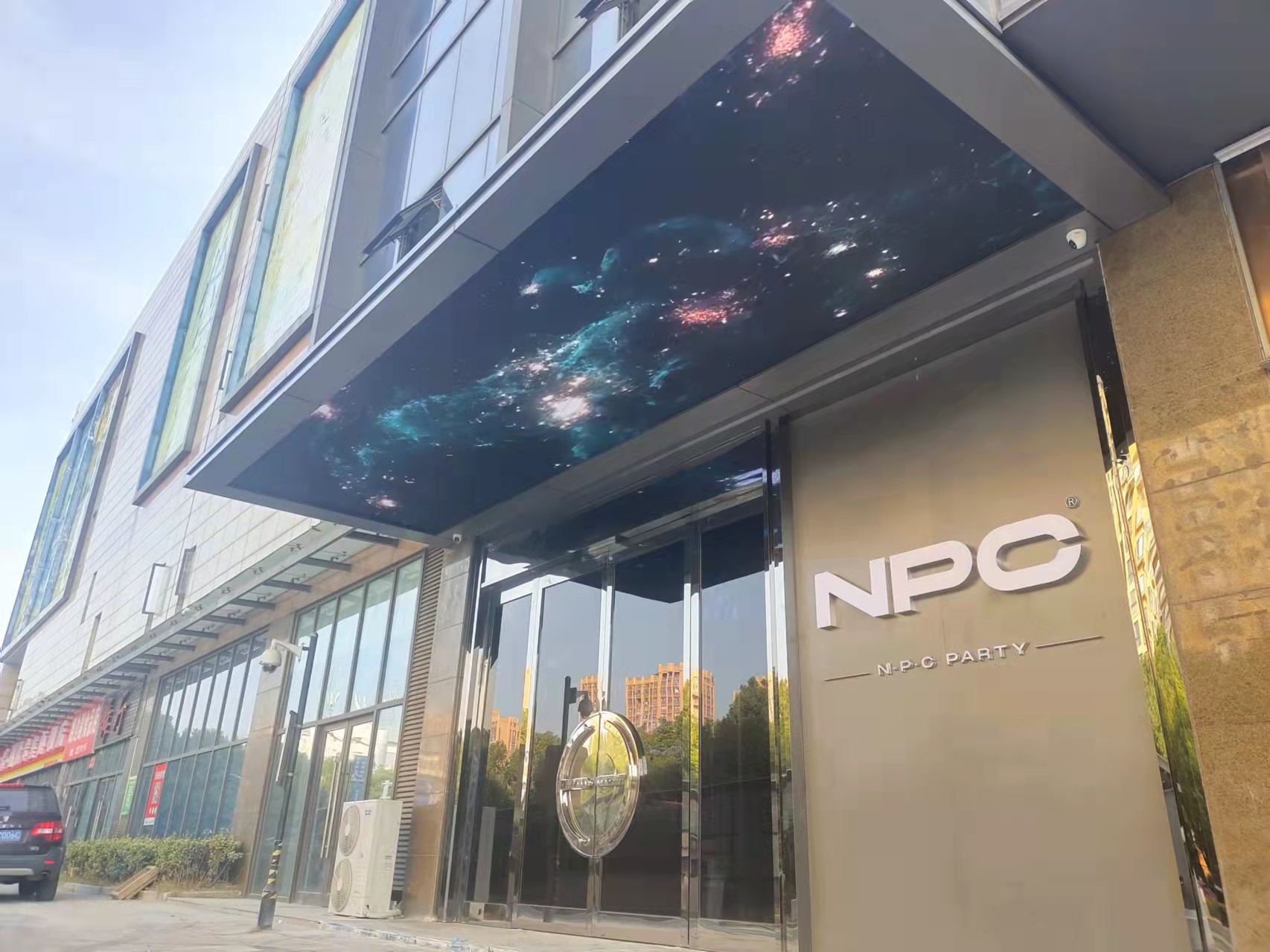
When many people hear about transparent screens, the first thing that comes to mind is the dazzling images in science fiction movies. In fact, transparent screens have entered the realm of reality. It refers to the ability to allow light to penetrate the screen while maintaining the display function, so that objects behind the screen can be seen. This technology is currently mainly used in window displays, exhibition venues, shopping mall guidance and other scenes. Its core value is to integrate the display content with the real environment rather than simply blocking the line of sight. However, when it is actually implemented, What is the effect and user experience? This is the most concerned issue for many potential buyers.
Is the clarity of the transparent screen enough?
The most common question about transparent screens is their clarity. Many people are worried that the screen will appear white or blurry due to the transparent screen transmitting light. To be honest, early products do have this problem. Once the screen transparency becomes higher, the contrast will decrease, and black text will look gray on a white background. In the past two years, technology has been changing at a rapid pace. Most current transparent screens use high-brightness LED or OLED solutions, and the pixel pitch can reach two millimeters or less. Just like the transparent screen used in shopping mall windows when playing videos under natural light during the day, the color reproduction and clarity can fully meet the needs of use. However, it should be noted that once there is high-intensity light shining directly behind the installation environment, causing reflection on the surface of the screen, it will affect the viewing experience. The solution is usually to add a hood, adjust the angle of the screen, or choose a model with a relatively higher brightness.
There is also a detail that is easily overlooked, that is, the transparency rate of transparent screens is not uniform. Among various products on the market, their transparency rates usually range from 40% to 85%. The higher the transparency rate, the more transparent the screen background will be, but the brightness and contrast of the screen will also decrease accordingly. If you have the need to display static content with rich details, such as product introduction text, then it is recommended that you choose a product with a moderate annual transparency rate, such as 50% to 60% transparency, so that you can see the background clearly and the picture will not be too light. If it is a dynamic video display, high transparency can create a more penetrating visual effect.
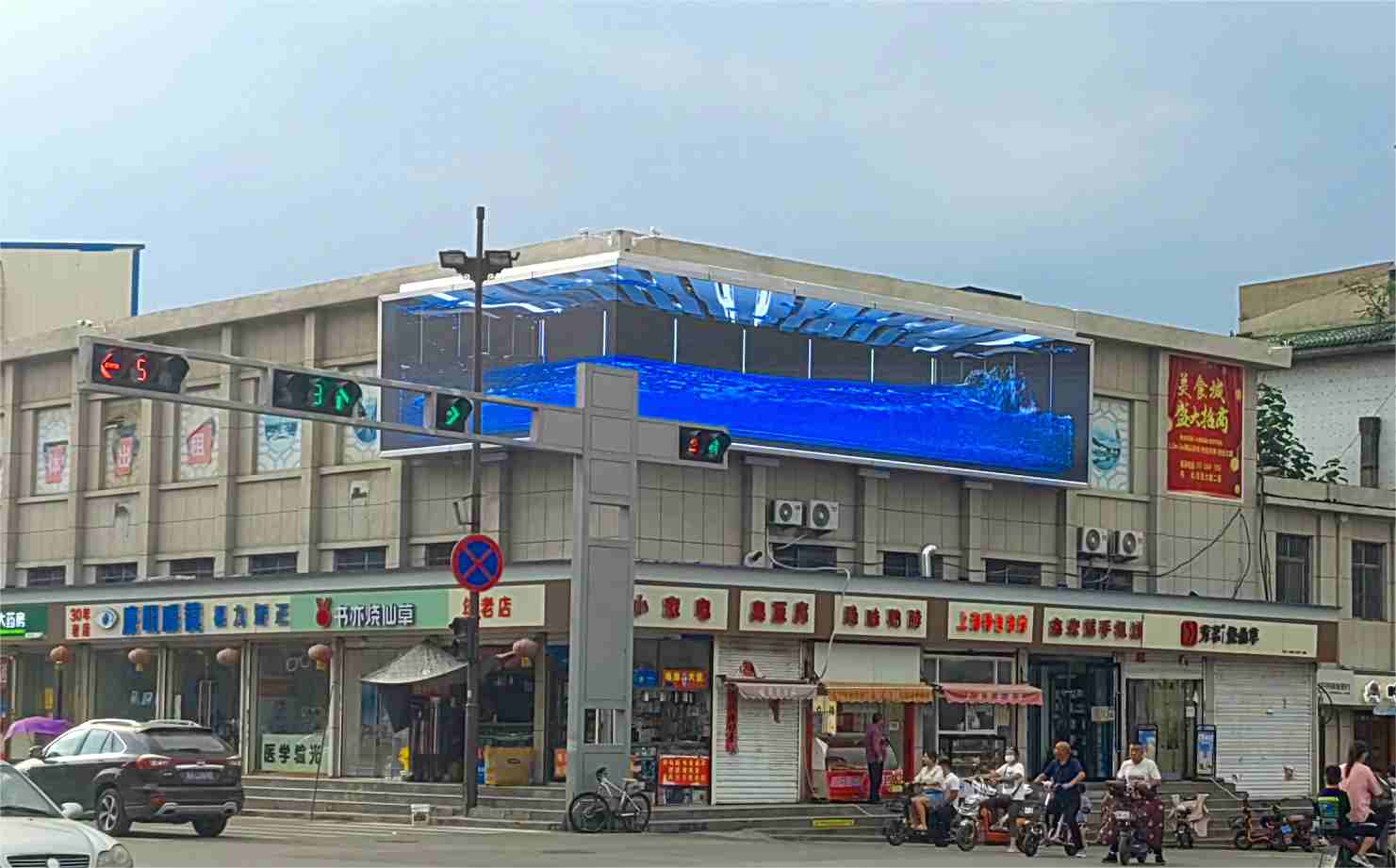
Will the installation and maintenance of transparent screens be troublesome?
After seeing the effect of the transparent screen, many people think it performs well. However, once they know the installation cost, they will hesitate. Then I went to understand the installation situation of the transparent screen and found that it is indeed more complicated to install than the ordinary screen. This is because it has special requirements for the installation environment. For example, a transparent screen needs to reserve space for heat dissipation, and its back cannot be close to the glass or wall. Otherwise, heat dissipation and lifespan will be affected. In addition, the power supply lines and signal lines of the transparent screen need to be hidden. If they are not hidden, the sense of transparency will be destroyed. Under normal circumstances, it is recommended to plan the lines during the decoration stage. If additional installation is performed at a later stage, the construction difficulty and cost will increase. Some customers, in order to save trouble, directly pasted the transparent screen on the glass. As a result, the screen heated up very seriously and the screen flickered. In the end, they had to disassemble and reinstall it.
In terms of maintenance, compared with traditional display screens, transparent screens are more delicate. Its core components include a transparent substrate and a transparent conductive layer, which are easily damaged by dust, moisture or external impact. During daily cleaning, you can only use a soft cloth to wipe it gently, and absolutely do not use chemical cleaners. If scratches appear on the surface of the screen, the cost of repair is very high, and sometimes even the entire screen needs to be replaced. Fortunately, most regular manufacturers will provide a warranty period of about two years, and it is also recommended to install a protective structure with anti-collision function during installation. If you plan to place the transparent screen in a commercial area with a large flow of people, be sure to make a protection plan in advance.
Transparent screens are not a flawless technology, but they do provide new potential opportunities for commercial exhibitions. Before choosing to purchase, you need to clearly understand your usage situation, financial budget, and long-term maintenance costs to avoid wasting money for no reason.