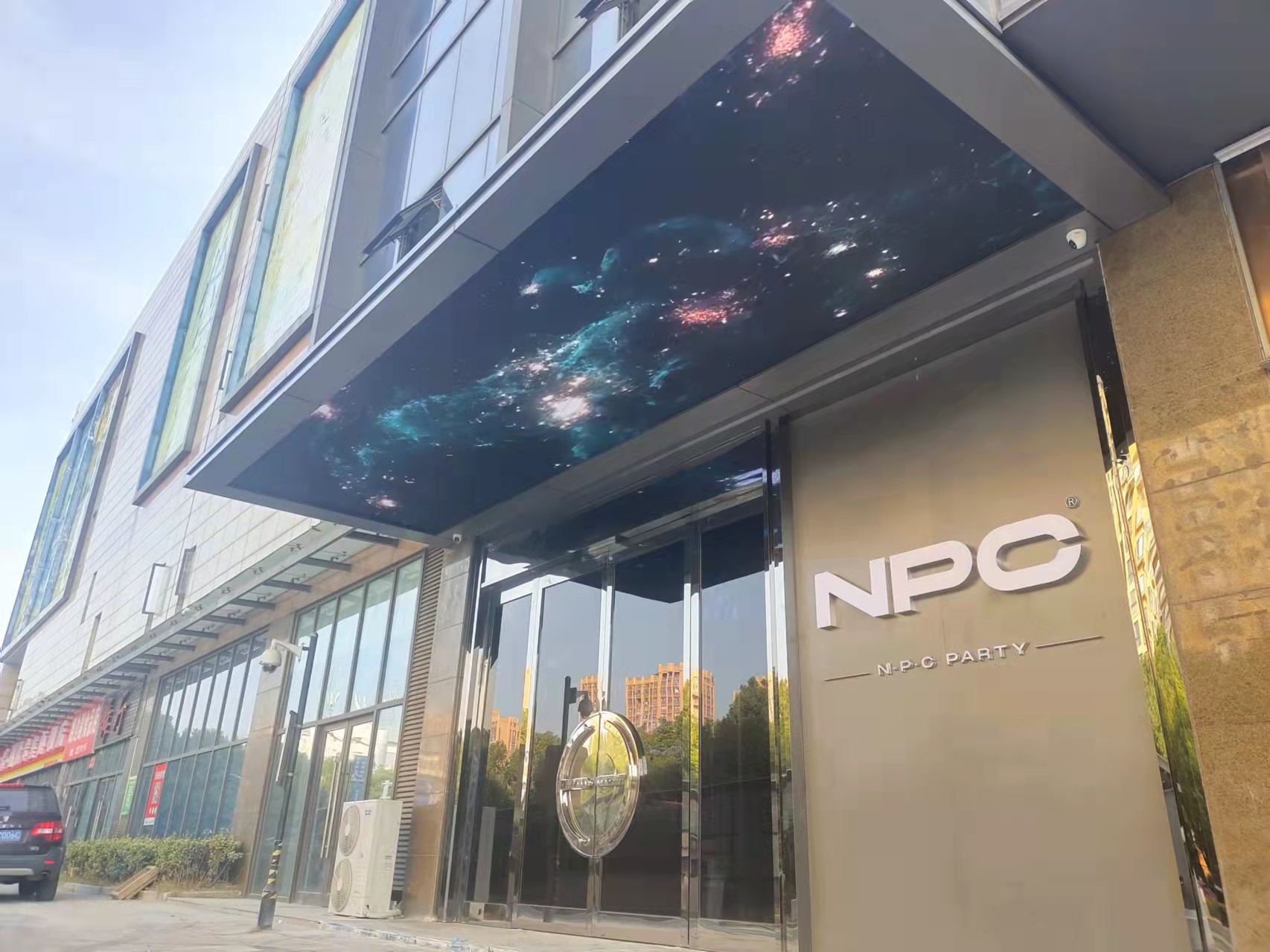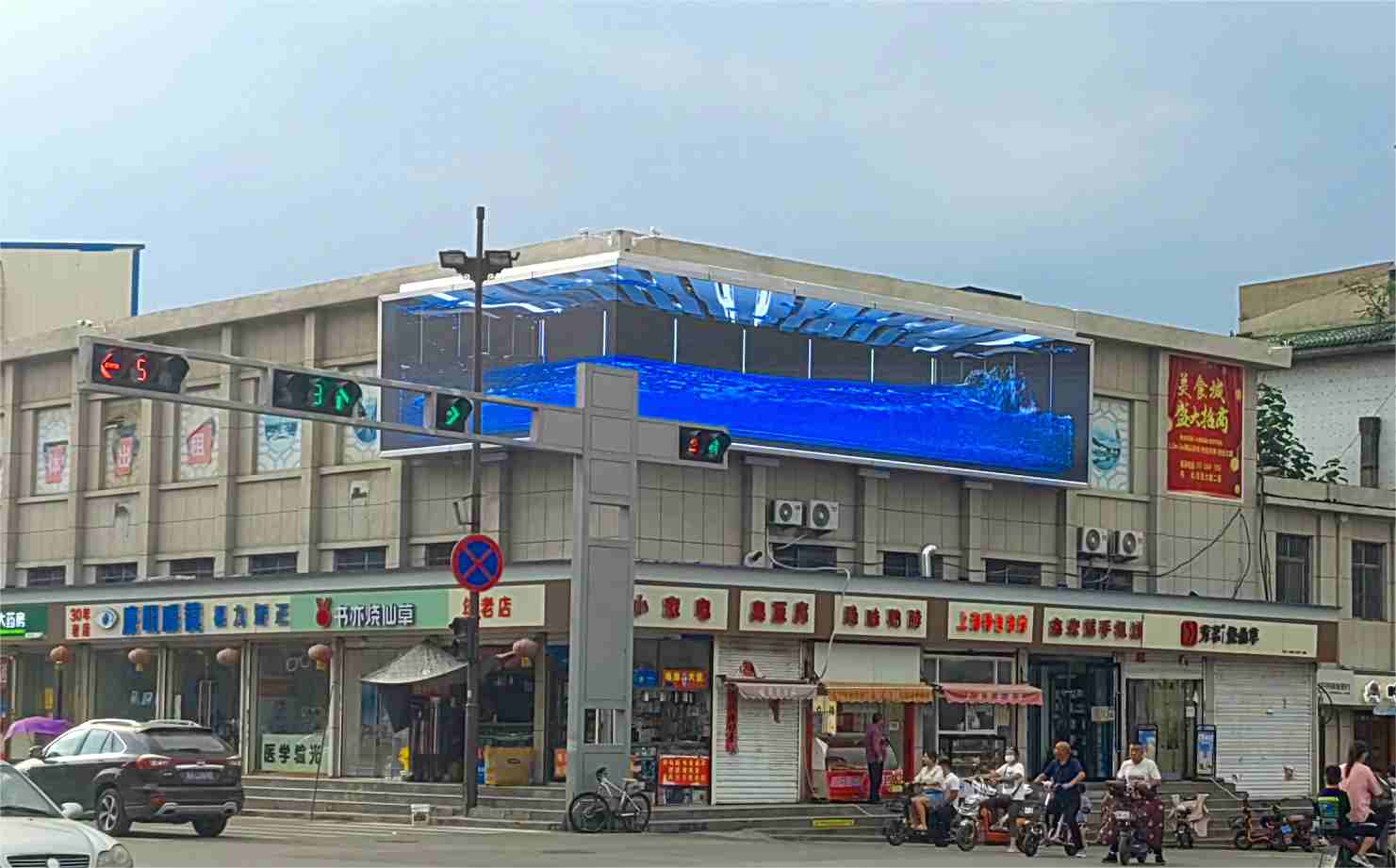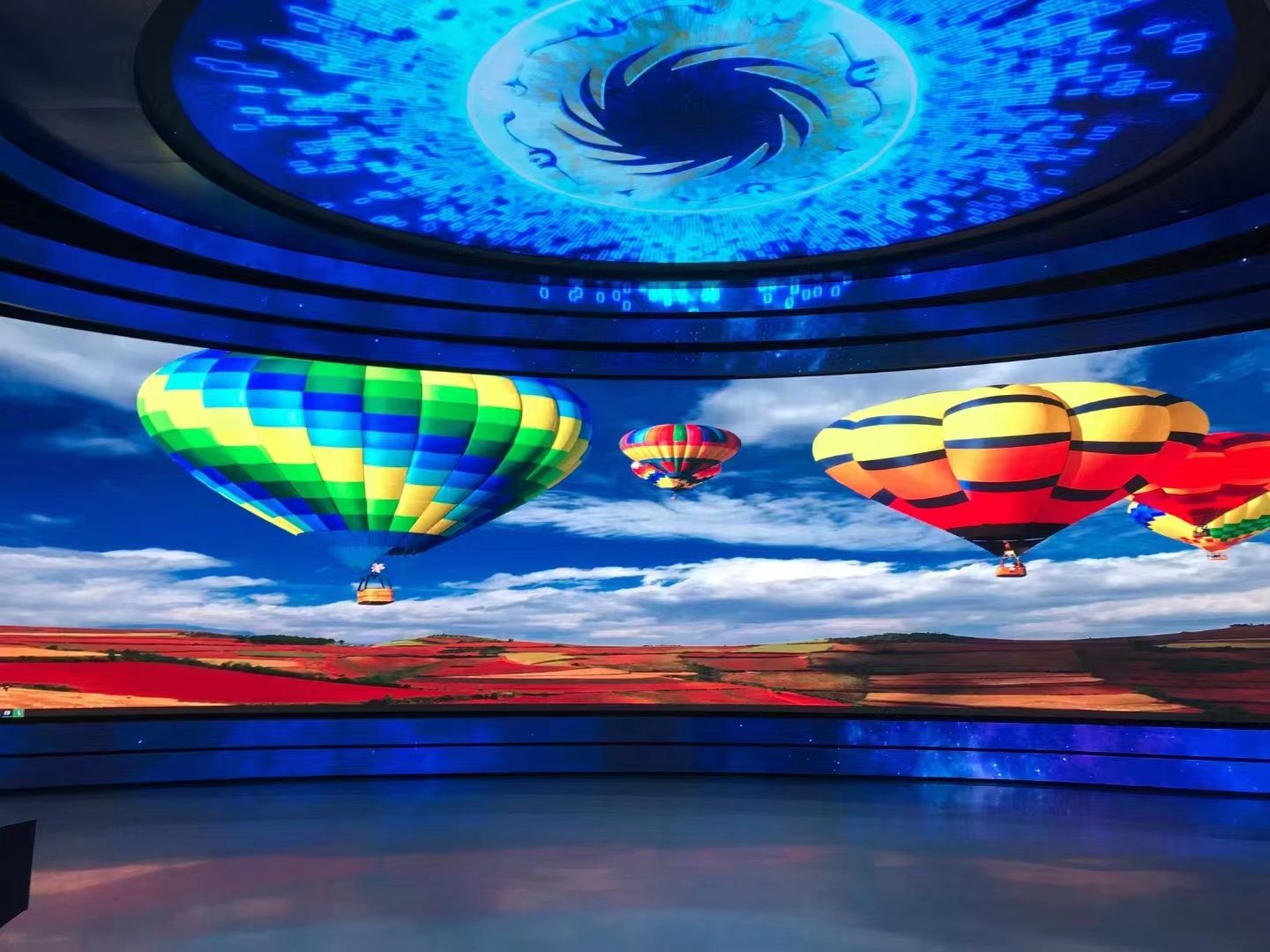
Transparent glass with the function of displaying images is referred to as a transparent screen. It not only retains the transparency of the environment, but also can play graphics and videos on the screen. It is mostly used in shopping mall windows, exhibition hall displays and brand interaction. However, when actually selecting a model, many people only focus on the price and appearance, but ignore the core parameters and usage scenarios, resulting in a significant reduction in the landing effect.
How to match the clarity and brightness of transparent screens
Not just the resolution, the clarity of a transparent screen lies in the balance between light transmittance and brightness. There are two common transparent screens on the market, one is a transparent screen based on LED lamp beads, and the other is a liquid crystal display plus light waveguide technology. The light transmittance of an LED transparent screen is usually between 65% and 85%, and the brightness can reach more than 5,000 nits. It is suitable for installation in shopping malls or outdoor windows with large glass windows. During the day, the picture is still clearly visible when the sun is shining directly.
However, the resolution of LED transparent screens is relatively low, and the pixels appear grainy when viewed at close range. If you need to show customers the details of your products at close range, such as jewelry, watches, and electronic products, you must consider transparent LCD screens. Its resolution can reach 1080P or even 4K, and its light transmittance is between 15% and 25%, making it more suitable for scenes where indoor light can be controlled. Brightness between 400 and 800 nits is generally sufficient.
There is an easily overlooked point here: the installation angle of the transparent screen will also have an impact on the viewing effect. When installed vertically, the background objects and the screen image will overlap each other, thus forming a "suspended" effect. If the installation position is against the wall or the objects behind it appear cluttered, the image will be blurred. Therefore, before selecting, be sure to evaluate the lighting conditions and viewing distance of the site.
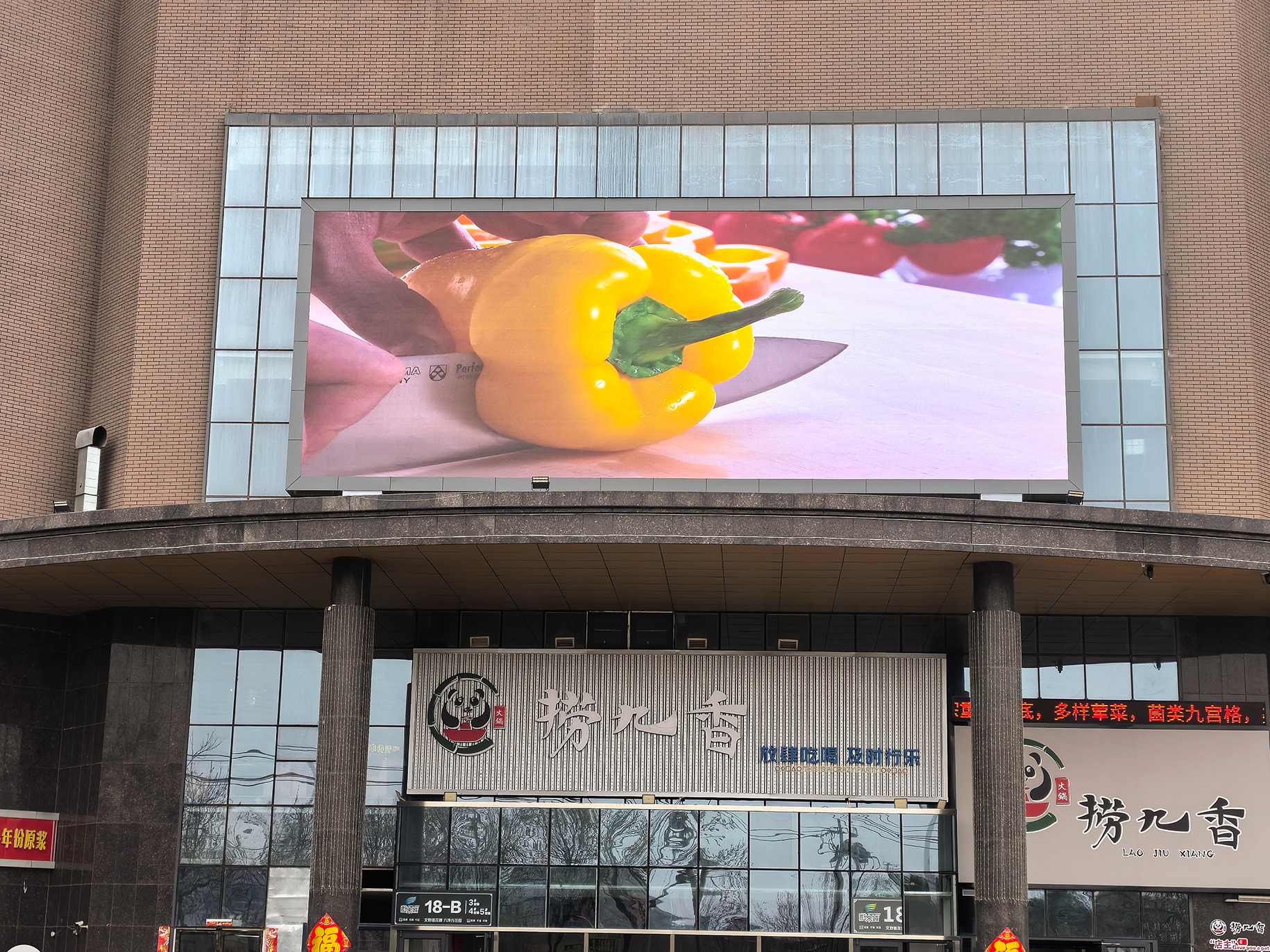
Which transparent screen should you choose in different scenarios?
For shopping mall windows, transparent screens have the most mainstream application scenarios. Brands hope that customers can see the products in the store from outside, and at the same time, the screen can also play promotional information. In this case, LED transparent screens are the first choice. It does not need to re-dismantle the glass curtain wall, and can just be directly fixed on the existing glass. Moreover, it is lightweight, about 3 to 5 kilograms per square meter, and has extremely low load-bearing requirements for glass.
For exhibition halls and museums, LCD transparent screens will be more appropriate. Such places have relatively high requirements for image quality. They need to display high-resolution historical materials, cultural relic details or product introductions. LCD transparent screens can be made into touch interactive forms. Customers can call up more information by tapping the screen with their fingers. However, it should be noted that the heat generated by transparent LCD screens is larger than that of LEDs. When running for a long time, space needs to be reserved for heat dissipation. Some museums will embed transparent screens on the glass of showcases. While viewing the actual objects, the audience can also watch dynamic demonstrations on the screen. The experience is extremely immersive.
If you are engaged in catering stores or brand pop-up stores, portability is equally important. For some temporarily built scenes, a detachable transparent screen bracket system will be selected, which can be disassembled after the exhibition period and can be reused. Although the hardware cost of this solution is not low in the early stage, in the long run, the cost performance is much higher than one-time printing or stickers!
A high-quality display screen does not mean that the higher the price, the better. These four factors, including clarity, brightness, light transmittance and installation environment, must be unified and comprehensively considered. It is recommended that you go to the site to take a set of environmental photos and lighting data before purchasing, and then conduct a matching test against the product parameters. Only in this way can the selected display screen truly help you improve your brand image and customer experience.