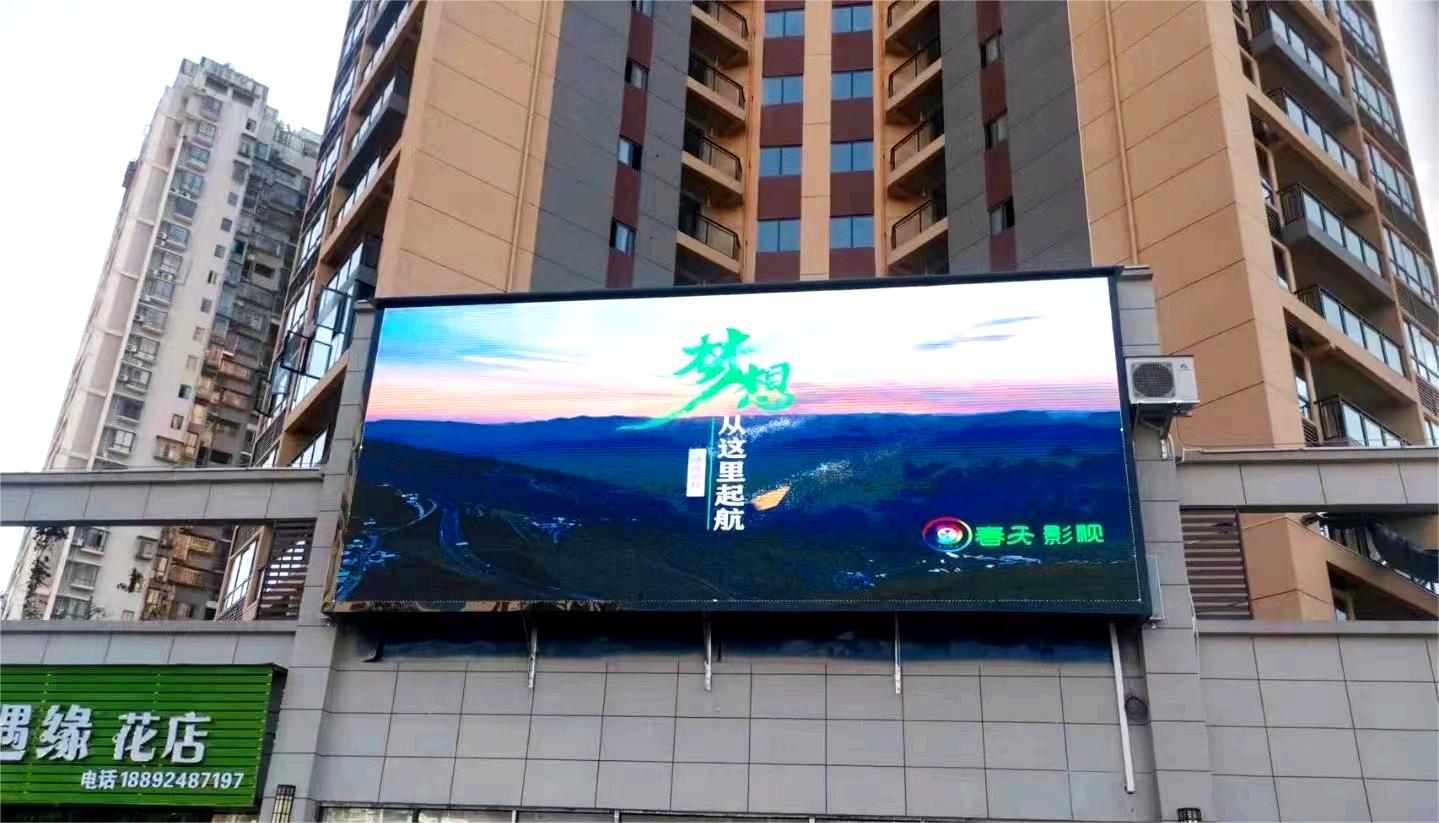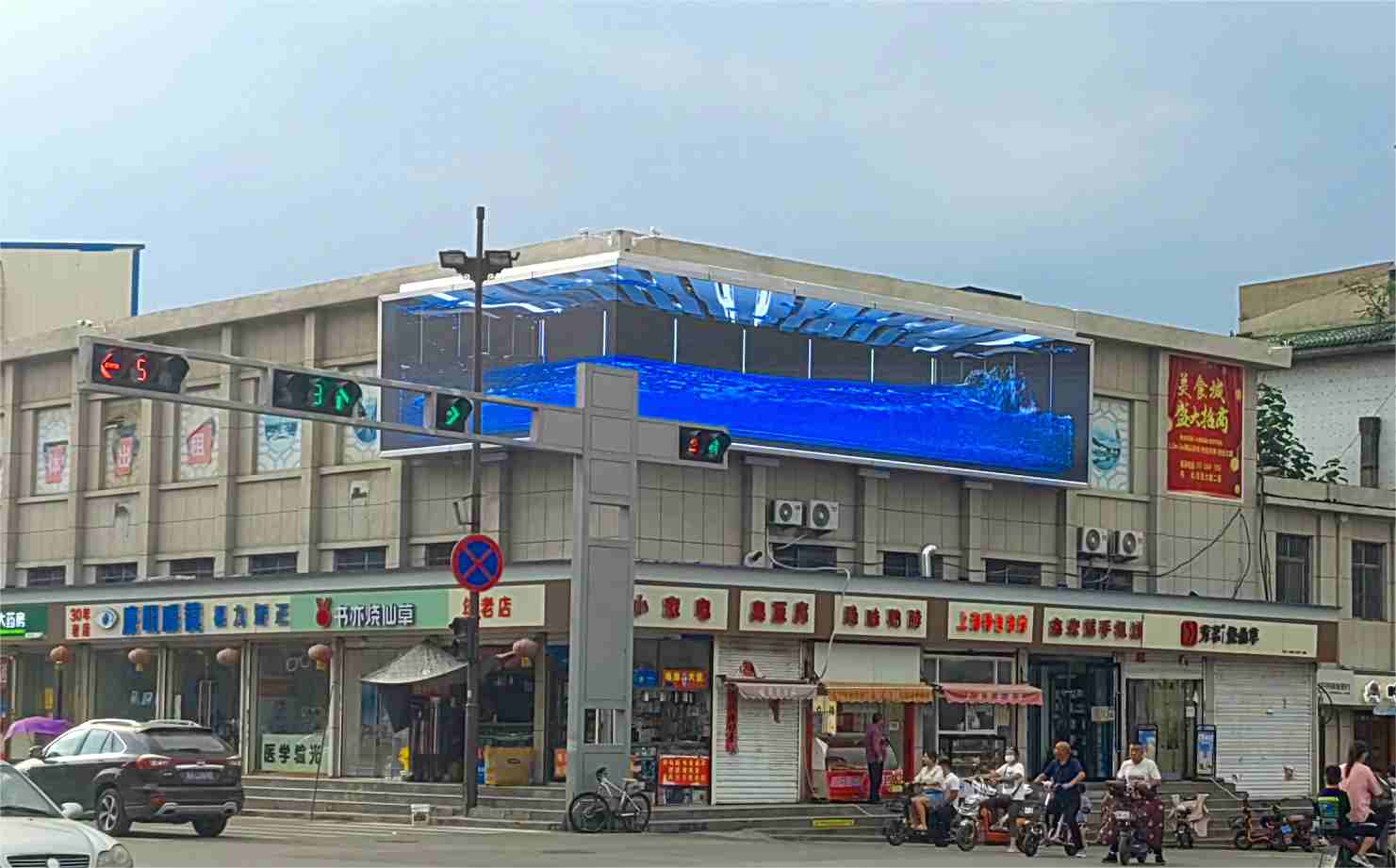
A screen that looks like ordinary glass but has special functions is called a transparent screen. It can display images clearly and play videos smoothly. This kind of screen maintains the transparency of glass and has strong information display capabilities, so it is often used in various scenarios such as window displays, exhibition hall demonstrations, and shopping mall guides.
When many people see a transparent screen for the first time, they think it is very cool because of its unique appearance. However, when you actually use it, you will find that whether the final effect of the transparent screen is good, and whether it is worth buying, this cannot be discussed simply and indiscriminately, but must comprehensively consider many specific usage methods, application scenarios and a series of multi-faceted factors.
How transparent is a transparent screen?
The "transparency" of a transparent screen does not mean it is absolutely transparent, because the transparency rates of different technical solutions vary greatly. For example, the transparent LED screen has a transmittance of 70% to 90%. From a distance, it looks like a piece of patterned glass. Only when you look closer can you notice the existence of the lamp beads. The transmittance of transparent LCD screens is relatively low, usually between 10% and 30%. The screen itself is somewhat gray and is more suitable for close viewing.
When choosing a transparent screen, you have to decide based on the installation location and viewing distance. If it is placed in the window of a shopping mall facing the street, so that passers-by can clearly see the products through the glass, then the LED transparent screen will be more suitable. If it is placed in an exhibition hall and used for customers to stand in front of the screen to read product introductions, a transparent LCD screen is sufficient to meet the requirements. And its clarity will be even higher.
In addition to the transmittance ratio, brightness is also a key point. The brightness requirements for transparent screens are completely different when used indoors and outdoors. For example, if it is installed in an outdoor window and is under direct sunlight, the brightness must be at least 3000 nits to see clearly. However, in an indoor environment, about 1000 nits is enough. Before purchasing, it is best to go to the site to take a look at the sample. Do not just look at the parameters.
Is it troublesome to install and maintain transparent screens?
The transparent screen seems to have a very simple structure on the surface, but in fact, there is a lot of care in the installation process! The installation method is completely different from that of ordinary screens. It is not like ordinary screens that can be hung directly on the wall and everything will be fine. In many practical application scenarios, transparent screens often need to be embedded in carefully designed glass frames, or suspended behind glass curtain walls. Before carrying out the installation operation, it is very critical to wire the wiring in advance: the power lines and signal lines must be properly hidden, otherwise, it will have a negative impact on the transparency effect of the transparent screen. In addition, transparent screens set strict requirements for the installation environment. If they are located in a place with a lot of dust and high humidity, a large amount of dust will accumulate on the surface of the screen. This will have a negative impact on the overall look and feel.
What is easily overlooked is the issue of maintenance. If the lamp beads of the transparent screen are damaged, or the LCD panel fails, the repair process is much more complicated than that of an ordinary screen. Some transparent screen models even require the entire screen to be disassembled and then returned to the factory for repair. The entire repair cycle is long and the cost is quite high. Therefore, when choosing a brand, in addition to focusing on the product itself, you must also pay attention to whether there is a local service team. Generally speaking, most big brands have authorized service stations in major cities, so that once problems arise, they can be dealt with faster.
The products produced by those small brands are indeed relatively cheap, but it is difficult for them to keep up with the pace in terms of after-sales guarantee. Once there is a problem with the equipment, it will become more troublesome to deal with it later.
There is something called a transparent screen, which is very good. However, it can only bring out its full value if you choose the right specific model and find the right party responsible for installation. Don't just look at the renderings, ask a few more questions about the details involved in actual use. This can save a lot of worry and worry later.