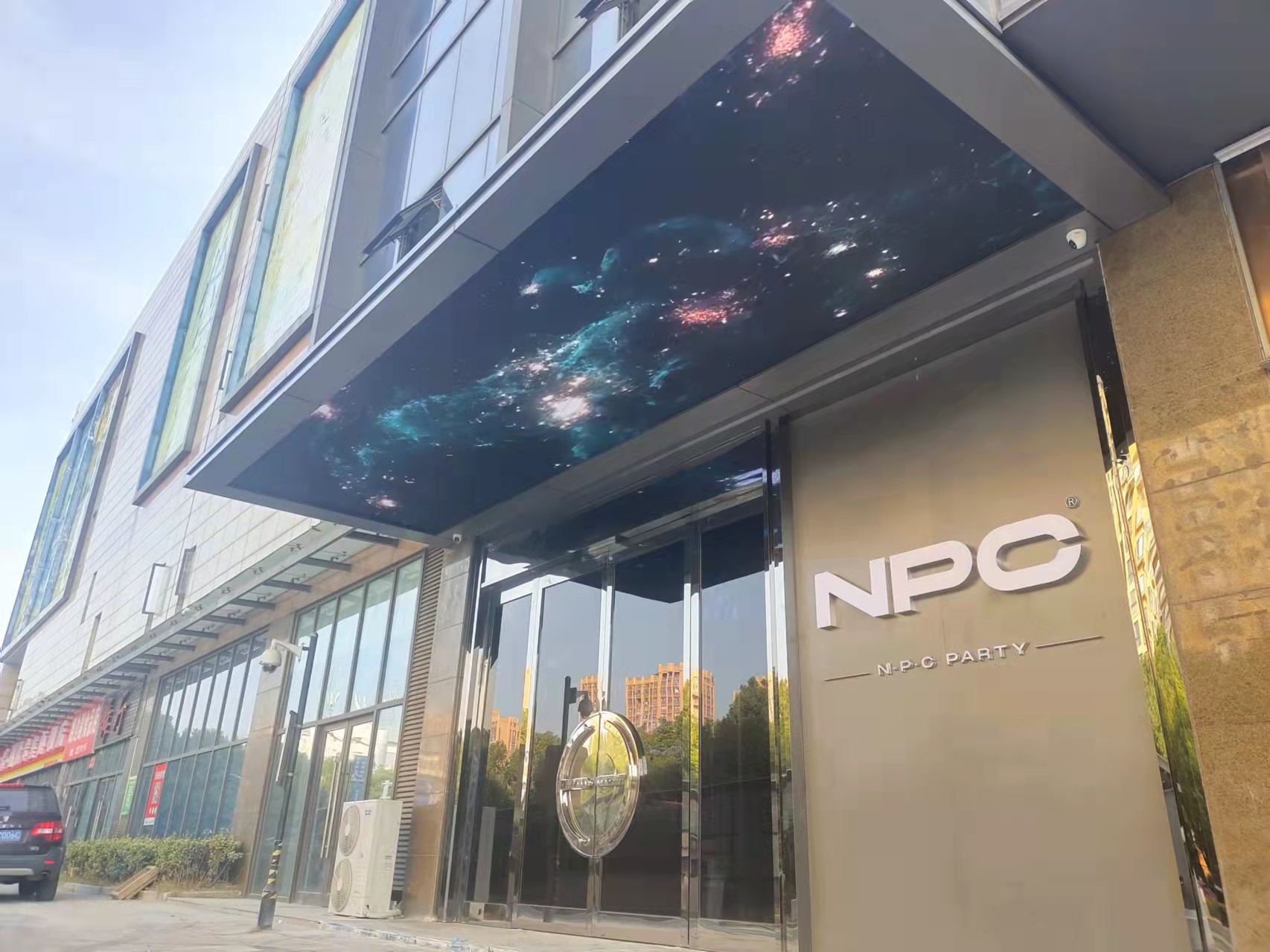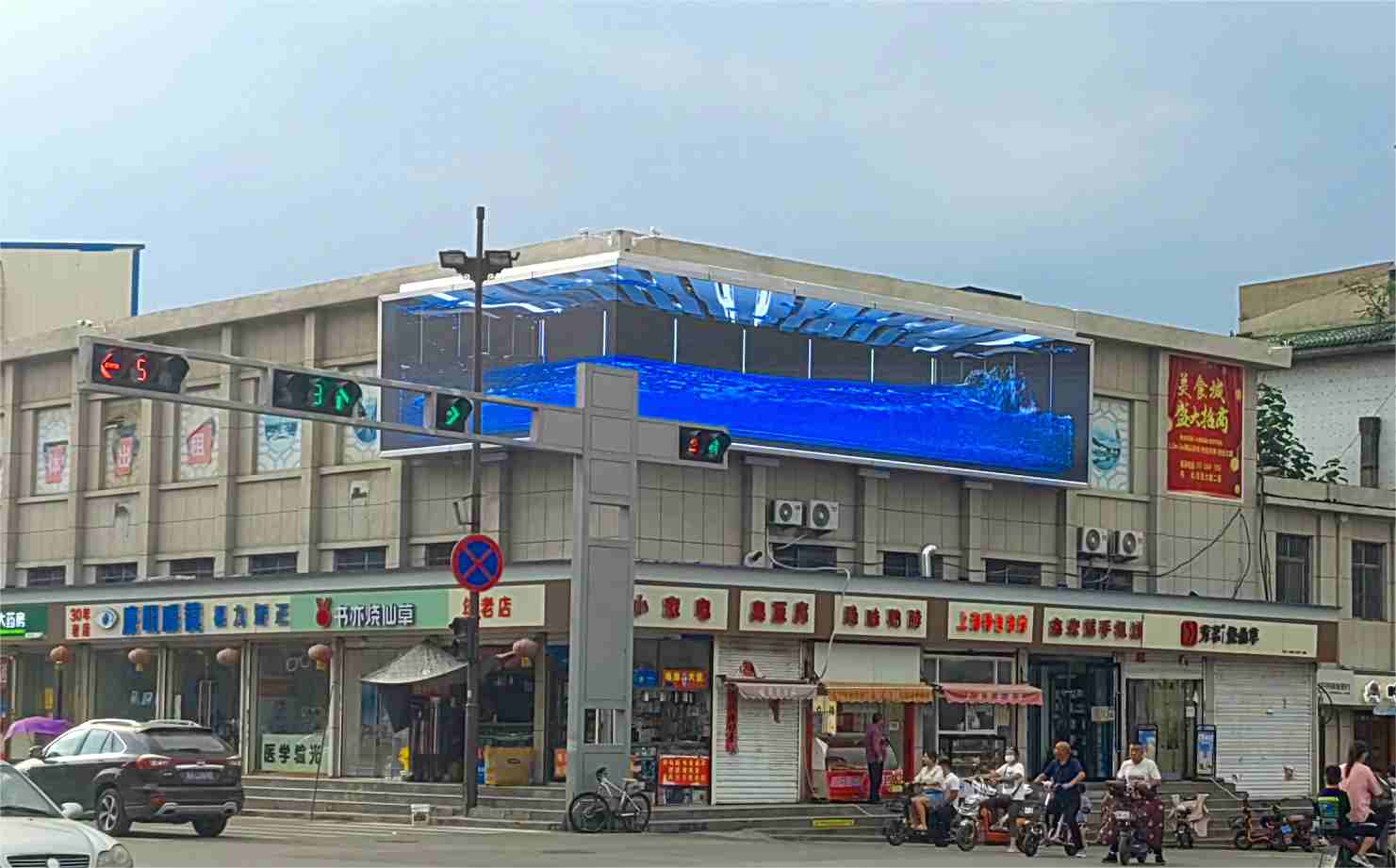
Transparent screens, an emerging display technology, are gradually entering shopping mall windows, exhibition displays and high-end retail spaces. They can play dynamic content while maintaining transparent visual effects, without affecting line of sight penetration, and can transmit information.
Where are transparent screens suitable for use?
Today, transparent screens are widely used in the commercial field, and the most common application scenario is shopping mall windows. In the past, traditional window advertisements often needed to be displayed by pasting posters or installing opaque displays. However, this has obvious disadvantages, that is, it will greatly block customers' view of the store, causing customers to not be able to smoothly see the display of merchandise in the store when viewing window advertisements.
In sharp contrast, the transparent screen has a unique advantage. It can be exquisitely attached to the glass and then play product advertisements or brand videos. Although the advertisement is played, customers can still clearly see the display and products in the store. It is this unique effect of "can see the store and still see the advertisement." The shopping mall windows have the function of displaying goods and attracting customers into the store, bringing many possibilities and attractions to commercial activities.
In the exhibition display, the advantages of transparent screens are also here. In museums, science and technology museums, corporate exhibition halls and other places, transparent screens can be cleverly turned into display cabinets, and real objects can be placed behind the screen, and the screen will then play pictures, texts or video introductions related to them. In this case, the audience can not only see the real object clearly, but also see the wonderful effect of information superimposed on the real object, which is much more vivid than a simple exhibition board or a separate display screen.
Transparent screens have a unique charm in the field of exhibition display, and their functions can be used uniquely in different venues. Venues such as museums, science and technology museums, and corporate exhibition halls are good examples. Designing and manufacturing display cabinets is sophisticated. It places real objects behind the screen as a barrier, and then the screen starts to play pictures, texts or videos that match the real objects to introduce them. When watching this process, the audience can not only truly and sincerely see the original overall appearance of the real objects, but also understand and feel the vibrant effect produced by the superposition of information and real objects. Compared with simply displaying a display board or a single electronic display, this way of display is undoubtedly more dynamic and interesting, bringing a new and unique visual experience to the audience.
Brand experience stores and high-end retail stores have also begun to use transparent screens to build interactive devices. For example, a jewelry store uses a transparent screen to display a 3D model of a ring. Customers can turn their perspective and at the same time see the real thing on the counter through the screen. In view of this fusion of reality and reality, it can increase the length of stay of customers and their willingness and desire to purchase.
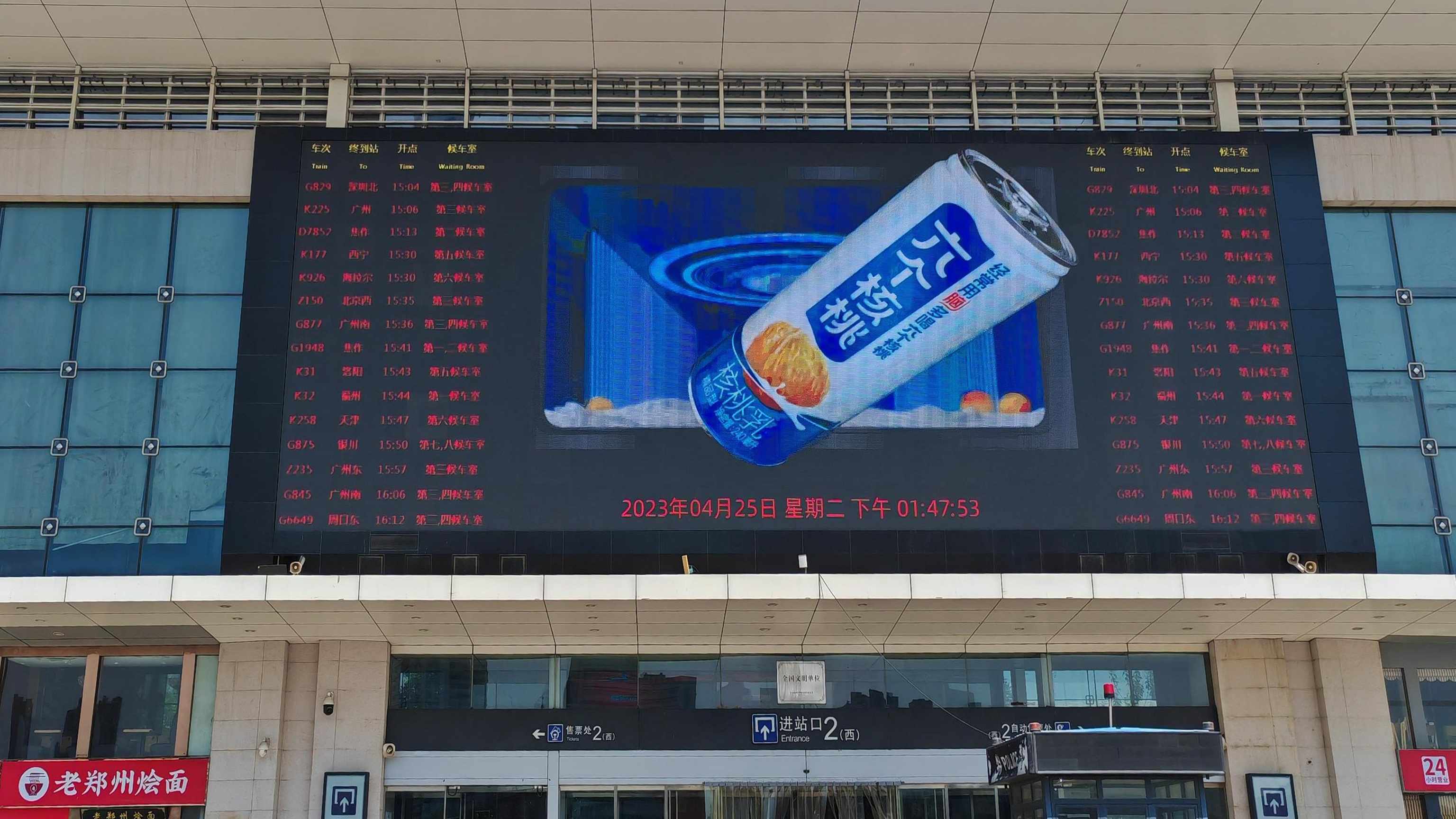
What is the actual effect of the transparent screen?
Many people are worried that the transparency of transparent screens is not very good, which will affect the use effect. The transparency of transparent screens currently on the market is usually in the range of 70% to 85%, which is not completely transparent. In an environment with relatively bright light, the images displayed on the screen may not look clear, especially white and light-colored content.
However, if the background is for dark objects or in a dark light environment, the effect of the picture will be improved, many, many improvements.
In addition, the brightness of the transparent screen is also a key factor. Generally speaking, the brightness of ordinary transparent screens is around 1000 to 1500 nits, which can generally meet the needs when used indoors. However, if you place it near a window or in a place with strong light, you have to choose a model with higher brightness, otherwise the screen will be annihilated by ambient light. Many manufacturers will launch high-brightness versions of transparent screens, but their prices will also increase accordingly.
Compared with ordinary display screens, the cost of transparent screens is much higher. A medium-sized transparent screen often costs tens of thousands of yuan, or even more. If it involves customized sizes or special-shaped cutting, the cost will increase even more.
For customers with limited budgets, there are two options to consider. One is to consider renting a transparent screen. The other is to choose a small-size trial plan to test the effect first and then decide whether to make a large-scale purchase.
Transparent screens are practical as a visual tool, but they are not suitable for all scenarios. It is recommended to clarify your own needs first. Is it to attract customers, enhance the brand image, or achieve some kind of interactive effect? After clarifying the purpose, you can then compare the budget and installation environment, so that you can buy products with real practical value.