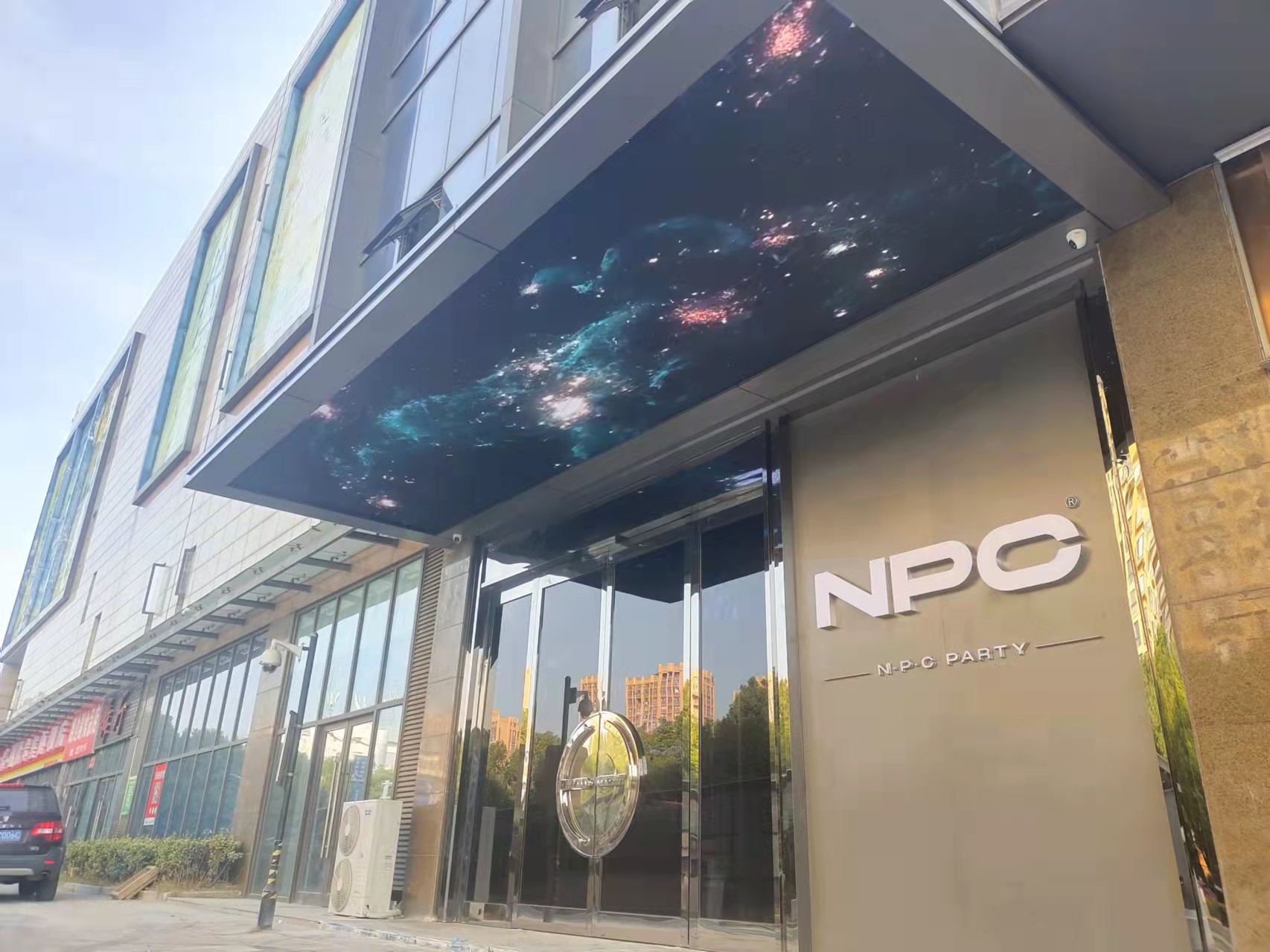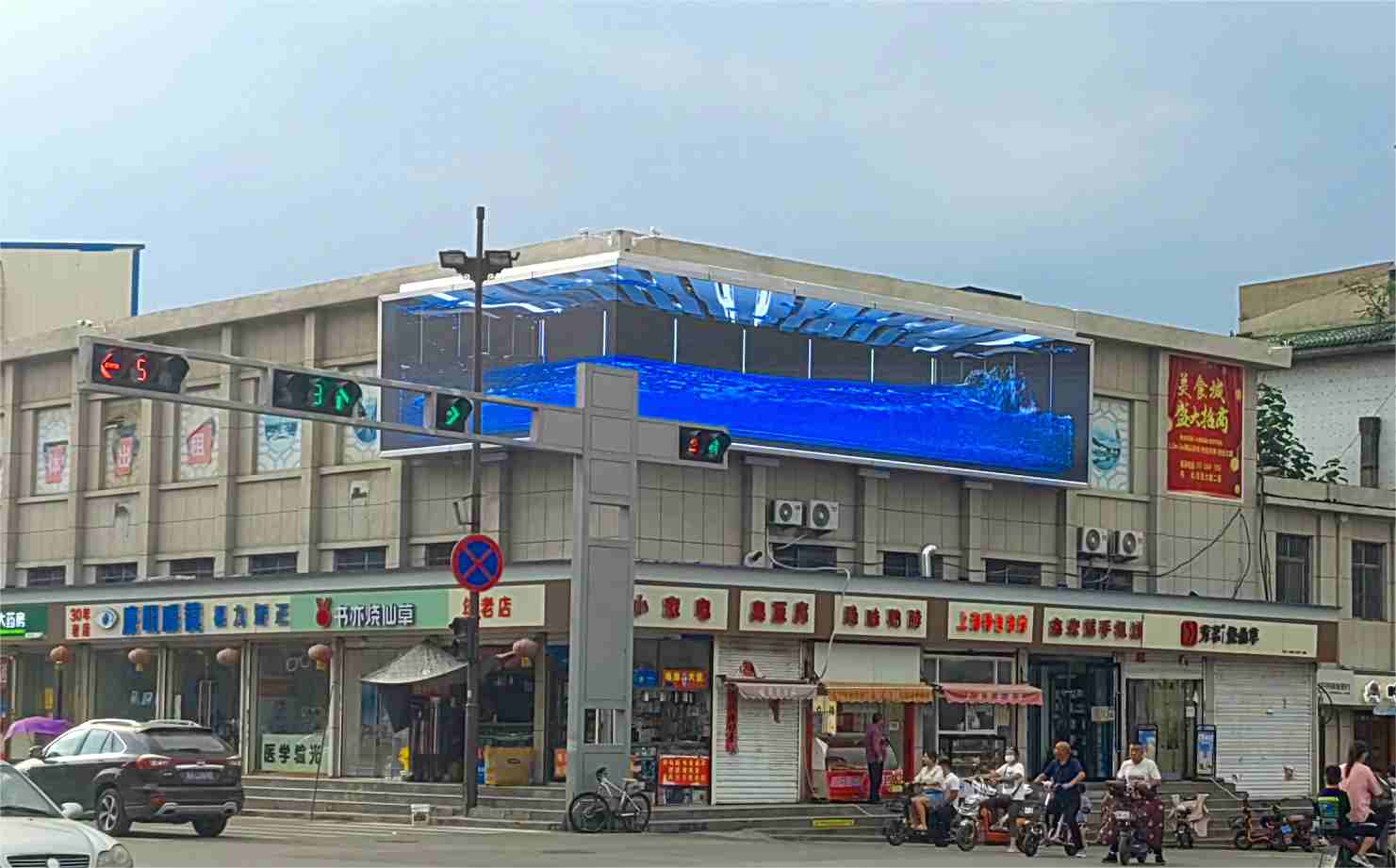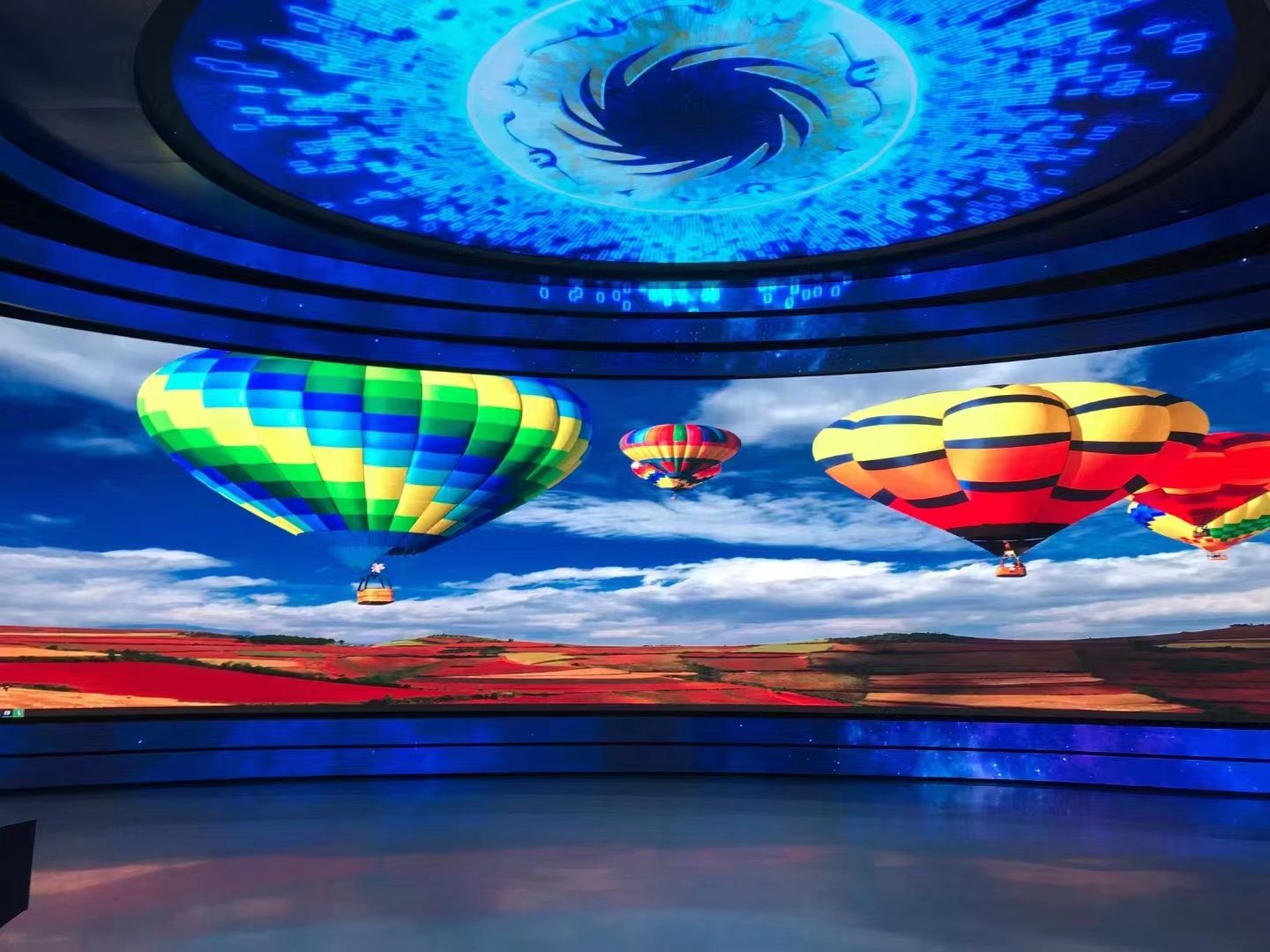
The so-called transparent screen is in the name, which allows people to directly understand that it is a screen with special display characteristics. This screen is the kind of display screen that can clearly see the objects behind it. It is different from ordinary screens. Ordinary screens are opaque, but transparent screens are different. It has unique optical properties. When displaying images, it allows light to cleverly penetrate the screen, allowing viewers to clearly see the real scene behind the screen.
This type of technology, which contains highly innovative technologies, is gradually moving from science fiction movies full of fantasy, fantasy, color, atmosphere, and emotional atmosphere to a real world that is real, touchable, and tangible. Nowadays, traces of its existence can be found in many fields. For example, in the window displays of bustling shopping malls with people coming and going, transparent screens rely on their unique and unique advantages to attract the attention of people coming and going. ; In various exhibition activities, it adds and expands different features and charm to the presentation of exhibits; even on the windshield of cars, this technology has been applied and used, bringing completely new and completely new possibilities to the driving experience.
How does a transparent screen achieve transparency?
The core technology of transparent screens is mainly realized in two ways. One is based on the principle of liquid crystal display, replacing the traditional backlight module with an edge light source, allowing light to penetrate from the side of the screen. In this way, the screen itself is no longer dark, but becomes a light-transmitting glass. The other is to use OLED technology. Because OLED pixels have the ability to emit light themselves and do not require additional backlight support, they can be made on a transparent substrate. As long as appropriate gaps are left between pixels, light can pass through smoothly.
In actual products, the transparency of transparent screens generally ranges from 40% to 80%. It is not completely transparent like glass because there are various structures inside the screen such as circuits, driver chips, and polarizers. When you look at a transparent screen, what you see is the effect of the image and the background overlapping each other. This visual feeling is a bit like wearing translucent sunglasses to see something.
At present, most of the transparent screens available on the market are used in the display cabinet field. For example, in a jewelry store, a transparent screen will be installed in front of the glass cabinet, and product introduction information will be played on the screen. At the same time, customers can still clearly see the actual items placed inside the cabinet.
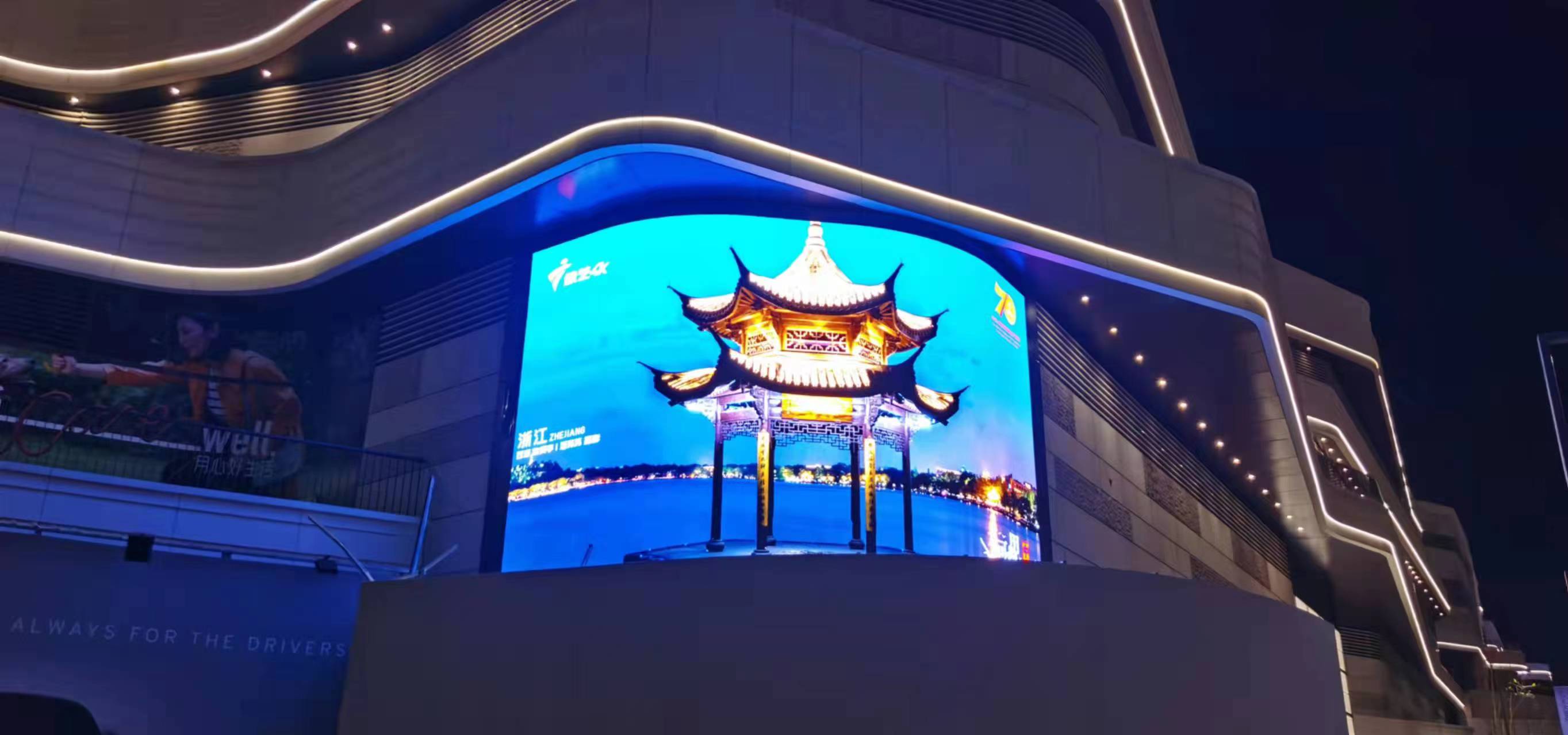
Is the display effect of the transparent screen good?
To be honest, there is a so-called obvious gap in display effect between transparent screens and ordinary screens. Due to the need to take into account both transparency and picture brightness, the contrast is generally not high. In an environment with strong light, the picture will appear whitish, the blacks are not dark enough, and the whites are not bright enough. If you use it to watch movies or play games, the experience may not be as good as an ordinary TV.
However, it has unique value in specific scenes. Take a store window as an example. The sunlight is strong during the day, and it is impossible to see the contents of an ordinary screen clearly when placed in it. However, because a transparent screen can transmit light, it blends better with the background. Take another look. Museum showcases, when a transparent screen covers cultural relics, can play explanation videos without blocking the audience from viewing the actual objects. In these scenes, although the transparent screen sacrifices part of the image quality, it gains a sense of space and technology, which is difficult to achieve with ordinary screens.
Furthermore, transparent screens have irreplaceable functions in some specific display scenes, such as specific exhibit display areas in art exhibitions. Transparent screens can display dynamic information related to exhibits in a unique way, complementing each other and complementing the exhibits and the overall atmosphere. In addition, in the product display sessions of some high-end commercial activities, the unique visual effects created by transparent screens add a different kind of charm to the products. In these scenarios, the transparent screen also achieves unique display effects by sacrificing certain image quality, while ordinary screens are unable to do this.
A practical aspect of transparent screens is the price. At present, the price of a 55-inch transparent screen for commercial purposes is usually in the range of tens of thousands of yuan, which is more than ten times more expensive than an ordinary LCD TV of the same size. Because of this, it is currently mainly targeted at business user groups and is rarely used by ordinary families.
As the OLED process gradually matures, and as the scale of mass production continues to expand, the price of transparent displays is likely to decline in the next three to five years. However, within a short period of time, it still belongs to the category of high-end equipment.