
Outdoor LED How To Choose Outdoor LED Screen? Full Analysis Of Brightness, Price And Maintenance
How to choose the brightness that is sufficient for outdoor LED screens
The outdoor scene where the equipment is placed is completely different from the content placed inside the room. The sunlight directly shines on the screen and the brightness of the light is not up to the current level, making it impossible to see clearly the parameters of the pile of information. After purchasing it, various people discovered that the effects of daylight were not that bad. It was so bright in the middle of the night that it was dazzling, and the distance that could be seen during the day was greatly reduced.
The brightness of conventional outdoor full-color LED displays is generally in the range of 4,500 nits to 6,500 nits. This brightness range of 4,500 nits to 6,500 nits can basically meet the needs of most outdoor application scenarios.
If the sunlight in the project location is particularly strong, such as in coastal cities in southern my country or high-altitude plateau areas, it is recommended to choose display products with a brightness above 6,000 nits, so as to effectively protect the picture under strong outdoor light conditions at noon and remain clear and legible.
Some brand manufacturers of display products often boast that their products have brightness as high as 8,000 nits or even worse. This is used as core content to attract a large number of relevant consumers. Of course, the ultra-high display performance can bring many additional benefits, such as being able to see the displayed content clearly even in brightly lit environments, and the color expression being more transparent, bright and three-dimensional. However, excessive brightness will cause a sudden increase in energy consumption of the machine, and at the same time, it will also cause huge pressure on heat dissipation.
When operating under high load for a long time, the temperature of the internal components of the product will continue to be at a high value, and the possibility of failure will also increase during subsequent use. In the actual selection of this type of product, it is necessary to combine the local daily sunshine conditions and the viewing distance during daily use, and conduct a comprehensive analysis before making a judgment.
What types of outdoor LED screens can you choose?
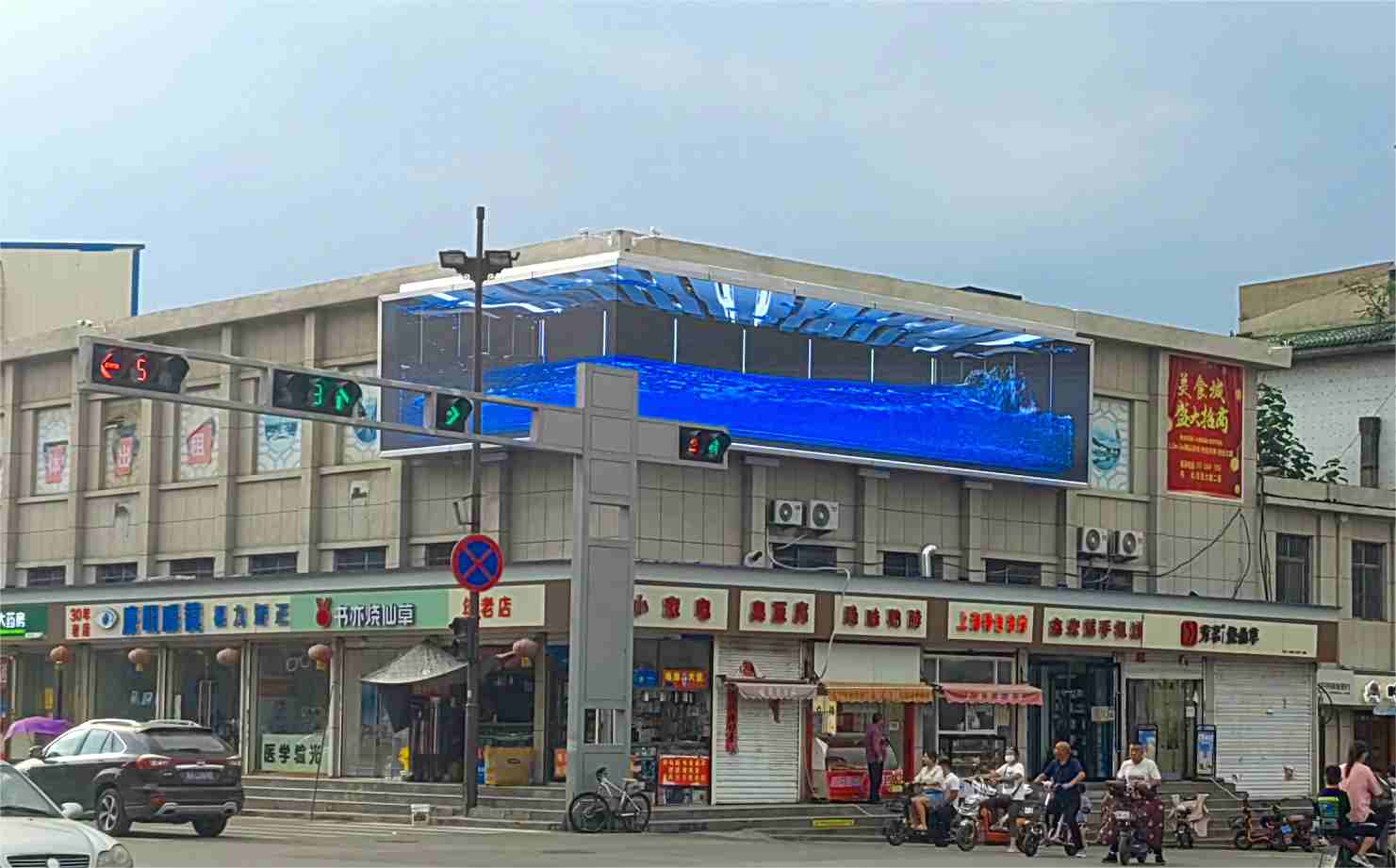
Outdoor LED display screens can be divided into categories based on the different structural shapes of the cabinets, including fixed and rental product types. The fixedly installed screen is suitable for scenes that require long-term use. Commonly used scenes include exterior walls of buildings, supporting exhibition areas in sports venues, and fixed backgrounds for large-scale exhibitions and events. This series of casings are made of solid, reliable, high-quality die-cast aluminum box casings, and are used as support structures and protective structures. The performance quality of the protection can generally reach the IP65 standard, and even higher than this level. This kind of protective effect is reliable and effective enough to block and resist the damage and invasion of daily outdoor weather conditions such as wind, heavy rain, exposure to the sun, etc.!
The rental outdoor LED screen is used in various activities, performances, and commercial exhibitions. It is light in weight and easy to disassemble and assemble. The screen box is made of magnesium-aluminum alloy, and the surface has also been anodized. Therefore, it has good anti-corrosion capabilities in such temporary occasions and can adapt to the use needs of most outdoor temporary scenes.
If it needs to be used outdoors for a long time, the fixed installation LED screen will be more cost-effective; if the usage scene is changed temporarily and frequently, the rental LED screen will be more flexible and applicable.
For example, scenes such as the facade of shopping malls are large screens such as command centers and have pixel pitches covering the range of P2.5 to P4 with smaller pitches and higher image quality and finer quality. This is an emerging category of small-pitch outdoor LED screens. They are more suitable for outdoor close-range scenes. In addition, it should be noted that the price of this type of screen is much more expensive than ordinary outdoor screens.
What should you pay attention to when installing and maintaining outdoor LED screens?
The installation location of outdoor LED screens is not only related to the service life of the equipment but also directly related to the final display effect. All related installation requirements deserve special attention. It is necessary to choose a location with good ventilation conditions and avoid direct sunlight on the back area of the box. Because the high temperature of the box is one of the main reasons for the rapid light decay of LED lamp beads, which will greatly shorten the normal service life of the lamp beads.
It is recommended to reserve at least thirty centimeters of heat dissipation space on the back of the box, so that the air can be ensured to circulate smoothly and help dissipate the heat generated when the equipment is running. An axial fan or air conditioning cooling system can also be installed. If conditions permit, further enhance the heat dissipation effect and maintain the stable operation of the LED screen?
Routine maintenance mainly includes regularly checking the sealing performance of the equipment box, cleaning the dust attached to the cooling fan, and detecting the real-time working status of the power supply and signal receiving card. These basic operations can help stabilize equipment operation and reduce the number of potential failures.
Before the rainy season comes, you should focus on checking whether the waterproof strips on the box are aging and hardening, and check whether there are traces of water entering the terminals. Once problems are discovered, deal with them promptly. Do not wait until obvious faults such as dead lights or black screens appear on the display before carrying out repairs.
How to choose the brand and price of outdoor LED screen
The number of various outdoor LED screen brands sold on the market is extremely large, and the product pricing ranges of different brands vary greatly. The price per square meter of a single product ranges from three to four thousand yuan to two to thirty thousand yuan.
Please give priority to choosing among those brands with many years of industry experience. Companies such as these have built a very mature product research and development system after a long period of actual market polishing, and the corresponding after-sales service network is also in a relatively complete situation. If there are related problems with the product, they can provide timely feedback and solve them safely and appropriately.
When purchasing an outdoor full-color display, don’t just focus on the lowest price and repeatedly compare and consider the price. Many screen products with extremely low quotations may cut corners in key areas such as lamp bead quality, driver IC performance, and stability of core power supply components. It may seem that you have saved some expenses in the early stage, but you will have to bear maintenance costs that are much higher than the price difference in the future. In fact, the gain outweighs the gain.
You must know that the price of P4 full-color outdoor screens from well-known brands on the market must be between 6,000 and 12,000 yuan per square meter to be considered a fair range. If the quotation is much lower than this range, you must carefully judge the actual performance of the product, and do not hide the risk of subsequent failure by focusing on picking up omissions.
Before purchasing, be sure to ask the supplier to provide sample screen measurement videos and past project cases from other parties. It is best to go to the site to inspect the project in operation and see with your own eyes the actual display effect of the screen and the physical state of the equipment after the project has been running for a period of time. This evaluation is more intuitive, objective and reliable than simply looking at the equipment parameter table.



