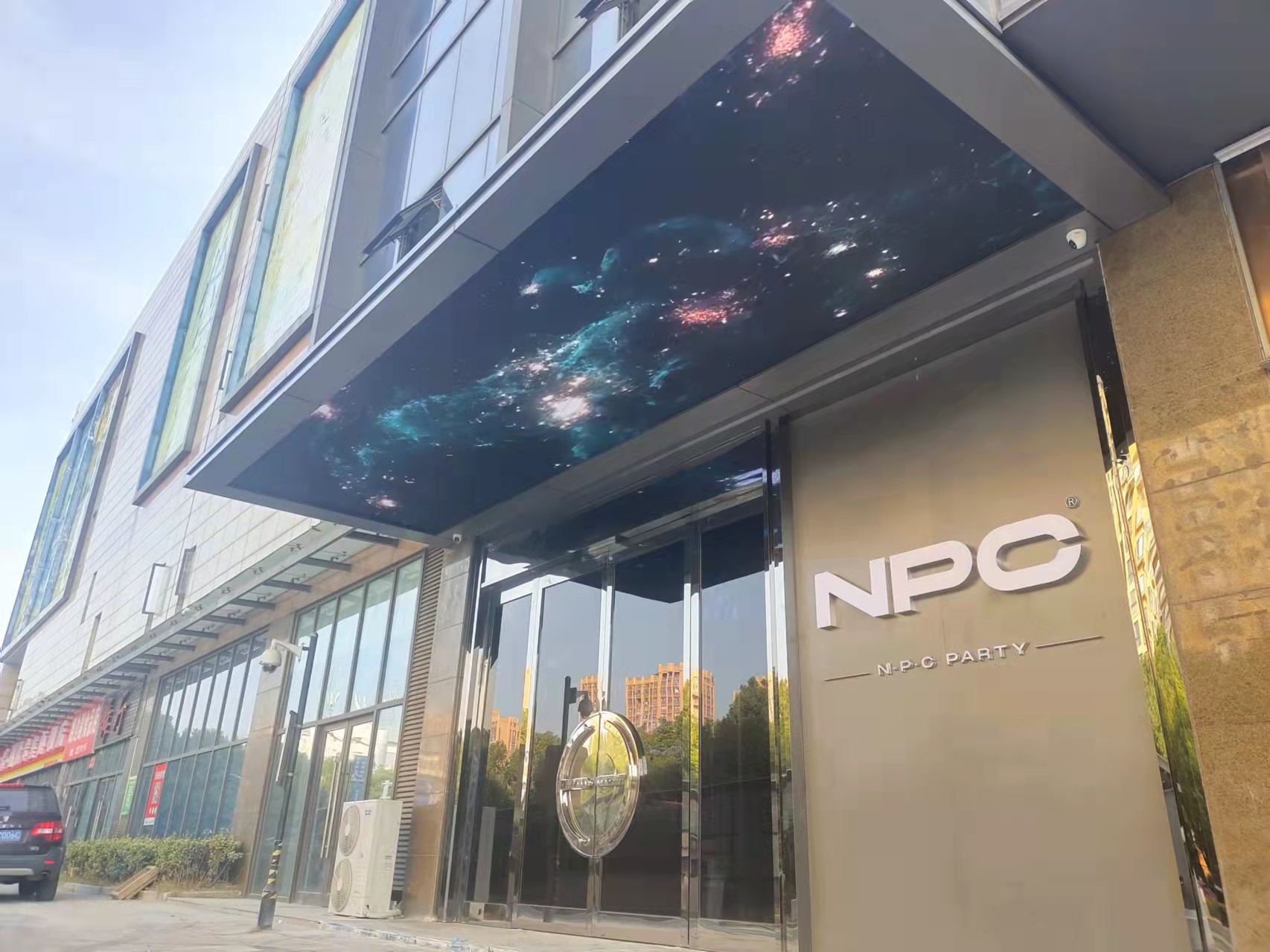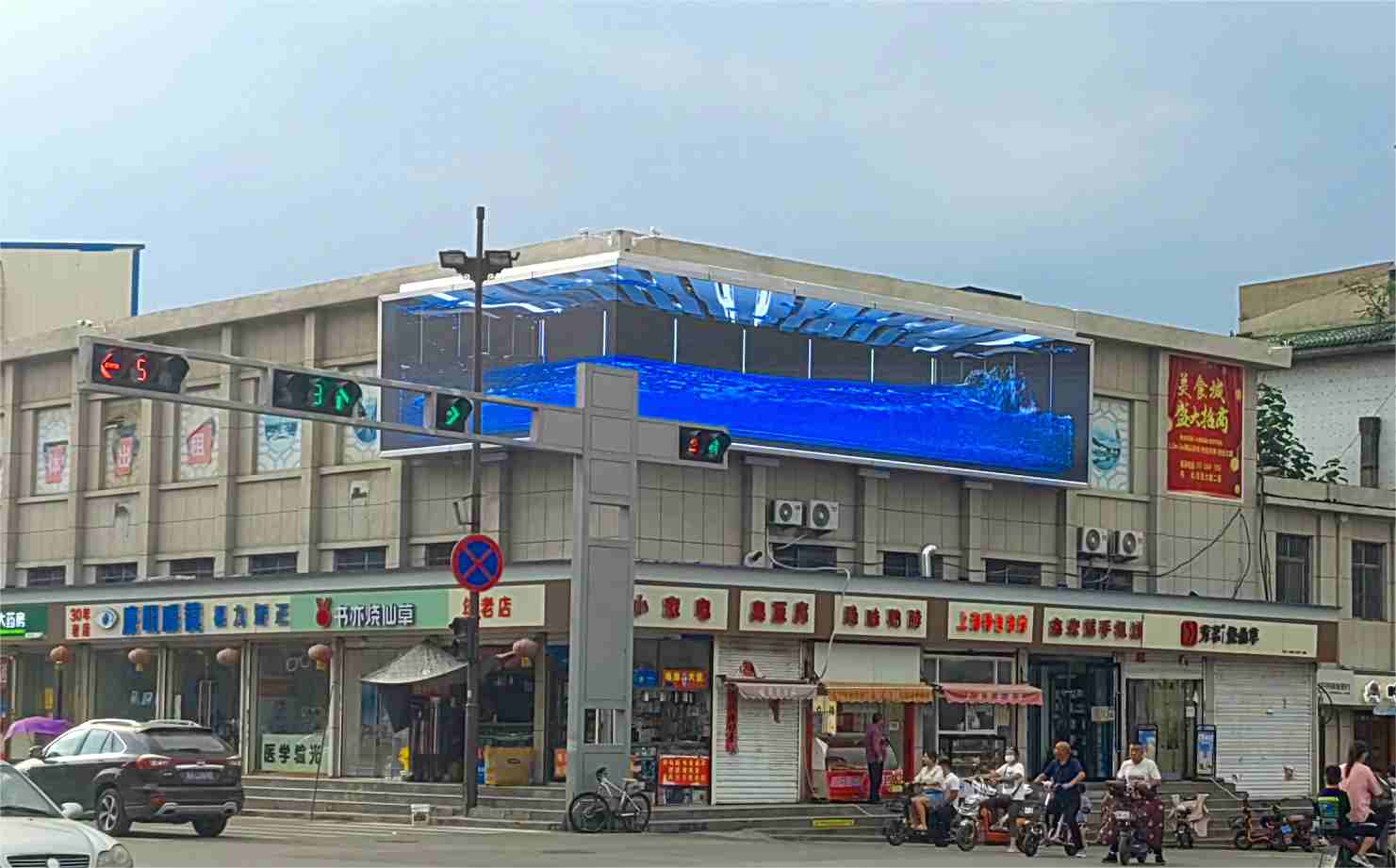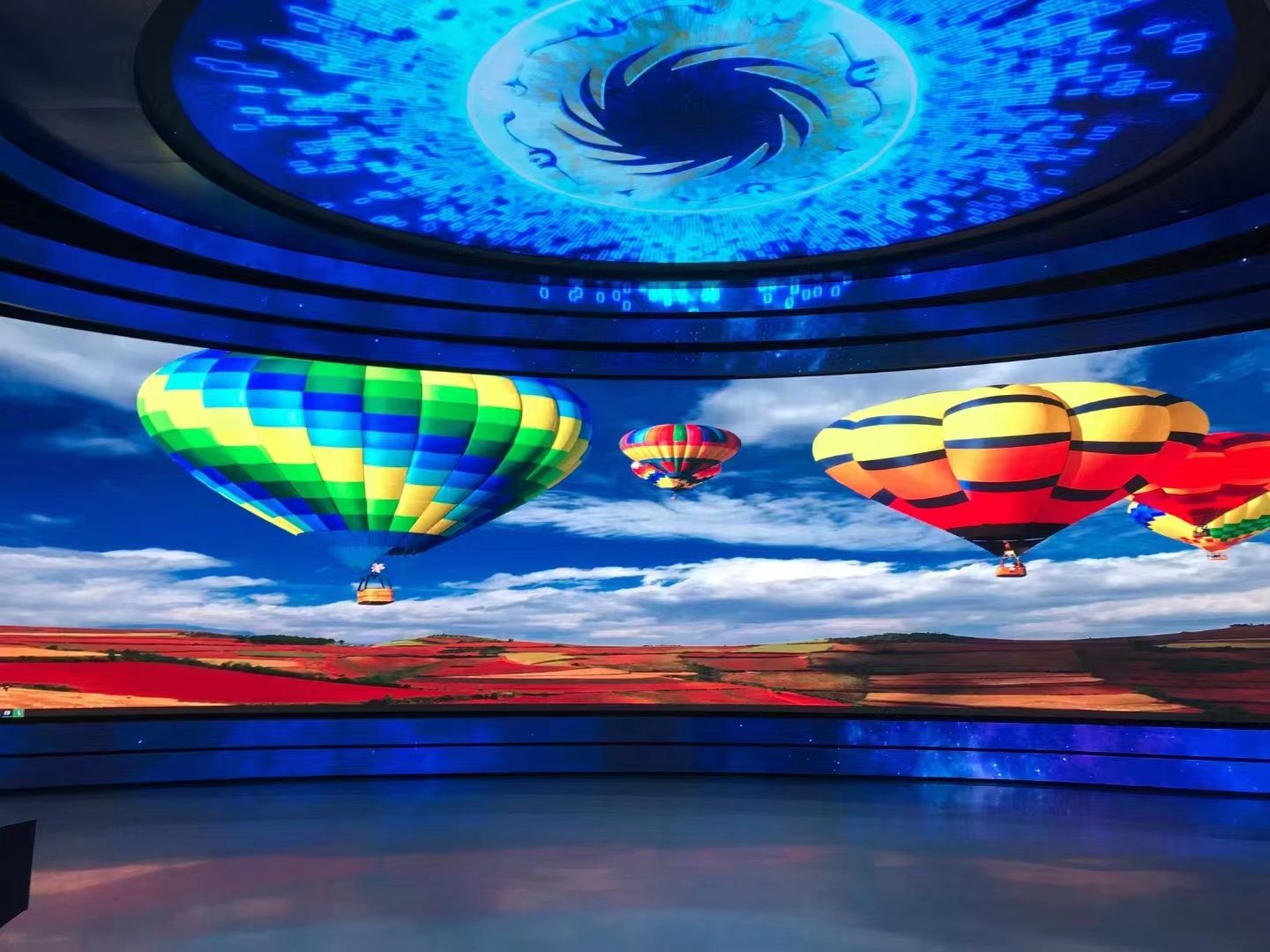
The transparent screen, which is as transparent as glass and has the function of displaying pictures, is a screen that can be understood intuitively from its name. In the past few years, it has become more and more common in shopping mall windows, subway stations, technology exhibition halls and other places. When many people see it for the first time, they often exclaim "Wow, it's so sci-fi." However, when they actually want to use it, there are actually many situations that businesses will not take the initiative to disclose to the public.
Why does a transparent screen show a transparent visual effect?
The transparent screen appears to be transparent, and there is a specific principle and mechanism behind it. When light hits the transparent screen, a series of complex optical phenomena work together to allow the transparent screen to allow light to penetrate more smoothly, unlike ordinary opaque objects that block most of the light and then exhibit transparency properties. This involves many factors such as material properties and structural design. They cooperate with each other to ultimately achieve a transparent visual presentation that the transparent screen may seem simple but contains scientific mysteries.
The core reason why a transparent screen presents a transparent visual effect is that it has a unique design for the luminous pixels. The luminous pixels are made very sparse, or the circuit lines are cleverly created such as thin lines and hidden in the visual blind area. When people see the "transparent" effect, it is the large-area transparent substrate between pixels that plays a key role.
There are two technologies that are commonly used to realize transparent screens, one is OLED self-illumination, and the other is LCD side backlight. Among them, OLED technology has obvious advantages because it does not require a backlight module, so it can further improve the light transmittance, thereby producing a refreshing visual experience. However, even though the light transmittance of OLED technology is at a high level, it still cannot achieve 100% transparency. Generally speaking, the light transmittance of commercial products is in the range of 60% to 85%. This means that when we look at objects behind the screen through the screen, we will still notice a faint layer of fog, as if there is a slightly dirty glass.
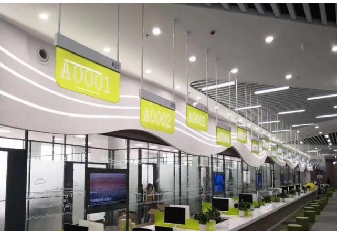
What is the effect of a transparent screen when it is actually used in a scene? Can the visual experience it presents satisfy people's expectations? How will its display effect be different in different usage environments? These are all issues worthy of in-depth exploration.
When a transparent screen is actually put into use, its performance in terms of picture clarity, color reproduction, and integration with the surrounding environment will have a key impact on the final use effect. So, during actual operation, can it display various contents smoothly? Will the screen freeze or be incompletely displayed? These details are related to the actual effect of the transparent screen in actual use.
Many customers purchase transparent screens for advertising purposes. For example, a model is placed in the glass window of a store, and a transparent screen is hung in front of the model to display product information. This idea seems beautiful, but the actual situation is that the screen brightness must be much brighter than the ambient light to be able to see the picture clearly. If it is broad daylight outside the store and there is direct sunlight, the picture displayed on the transparent screen will appear very gray and thin. You have to adjust the brightness to a very high level to see it clearly, and the power consumption will also increase sharply.
Some people purchase transparent screens for interaction in exhibition halls, but later find that the touch response is not as sensitive as mobile phones. This is because there is refraction between the touch layer and the display layer of the transparent screen, and the position of the finger will shift when touching. What’s more troublesome is that the viewing angle of the transparent screen is limited, and the picture will be significantly darker or color cast when viewed from the side. If the audience is a mobile crowd, what many people see is just a piece of glowing "foggy glass".