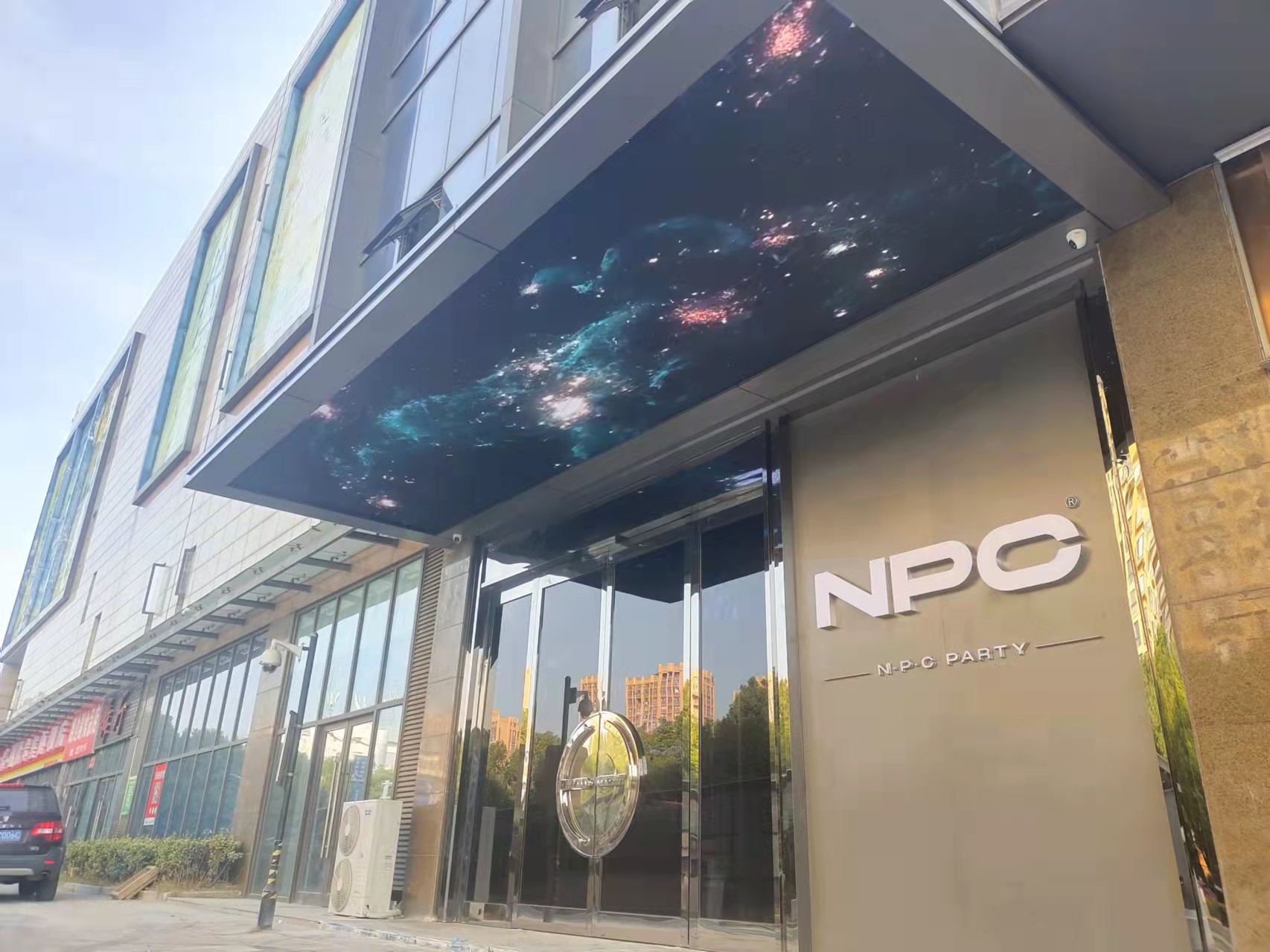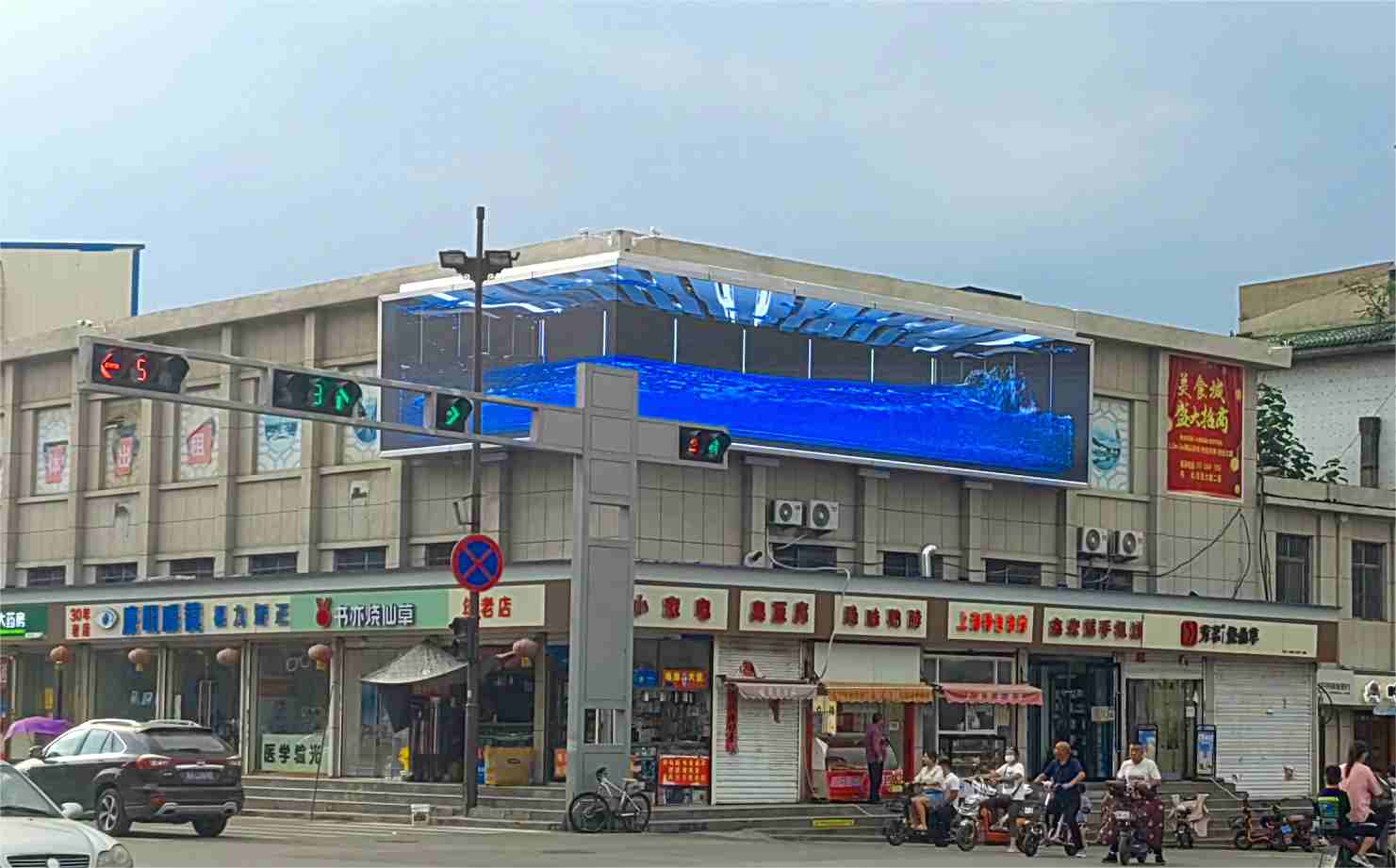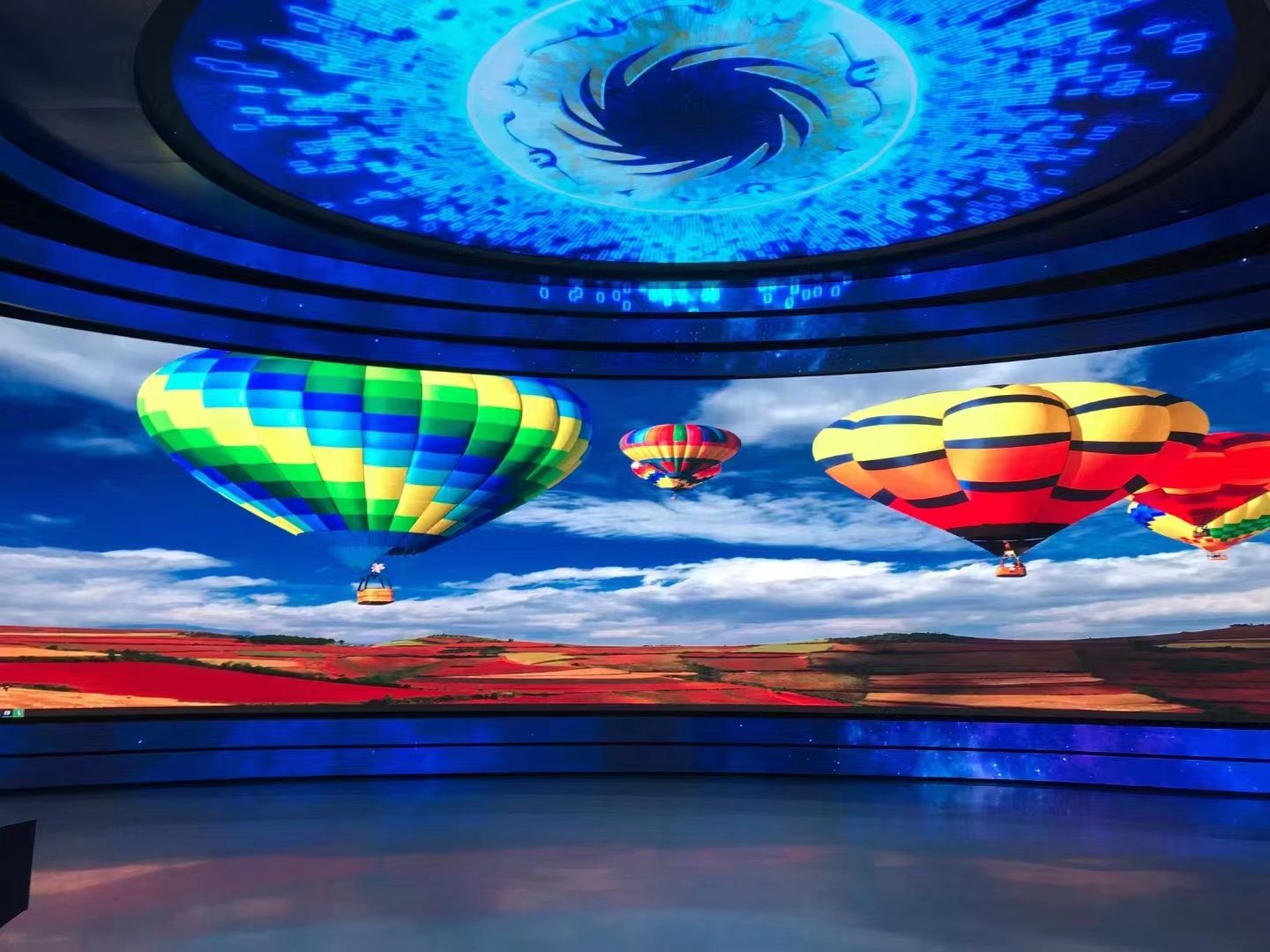
The transparent screen is indeed an extremely interesting existence. When many people see it for the first time, they will be shocked by the unique effect. That is, the screen is as transparent as glass, but it can still play pictures. It is essentially a display device, and its special feature is that it can display content without blocking the background. Common types include transparent LCD, transparent OLED and transparent LED. Simply put, the goal it strives to achieve is: to achieve the coexistence of information display and spatial environment.
Is the display effect of the transparent screen really clear?
When it comes to the clarity of transparent screens, there is really no way to compare them with ordinary screens in a measurable way. The back of the ordinary screen is backed by a pure black back panel, which results in a particularly high contrast and rich colors.
However, the transparent screen is different. It is translucent, and the background will have a corresponding impact on the picture. For example, when it is placed in front of a white wall, the picture will look brighter and clearer; if it is placed in front of a window with strong sunlight, the picture will appear much lighter.
Their brightness, along with contrast, is a core issue. Transparent screens are designed to maintain their own "transparent" characteristics, so the backlight cannot be set too strong, otherwise it will become an ordinary screen. Therefore, the transparency of most transparent screen products is between 60% and 80%, and the displayed image looks like a layer of images suspended above the glass. It is not the kind of brightness that makes people feel "eye-piercing". This is the case.
In terms of color, the effect produced by transparent OLED is slightly better in comparison. This is because each pixel has the ability to self-illuminate. The black part shows real black, but the white part will still be affected by ambient light.
However, in indoor lighting environments, or when the background is dark and monotonous, the display effect of the transparent screen is sufficient to meet the needs of use. This type is used in many shopping mall windows and museum display cabinets, which are used to play product information or introduce cultural relics. They look quite technological and do not block the physical display behind them.
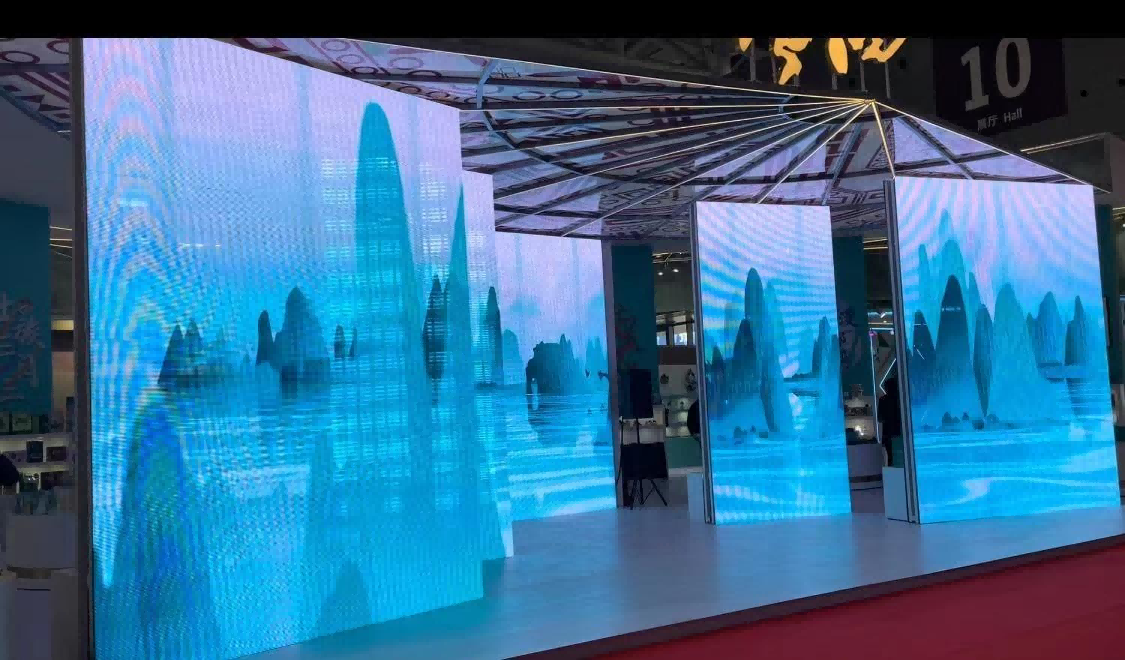
Where are transparent screens suitable for use?
What is not suitable for home use is a transparent screen, at least not at this stage. Its main application scenarios focus on commercial display, space design and public information release. Take the window of a clothing store as an example. When the store closes, the original window glass turns into a screen and starts playing videos of models on the catwalk. When it is not needed for playback during the day, it returns to the appearance of ordinary glass, which will not have any impact on customers' viewing of the in-store displays.
For example, in the atrium space of some large shopping malls, transparent screens are used to carry out space design. At certain times, the transparent screen can present a dynamic artistic picture that blends with the surrounding commercial atmosphere, giving customers a unique visual experience. At other times, it can also remain transparent without disturbing the original sense of transparency of the space. In addition, in the public information release area of bus stops, transparent screens can be used to display various travel information to passengers on time and accurately. When no information is released, The transparent screen is just like ordinary platform facilities and does not attract attention.
It also exists in museums and exhibition halls. A cultural relic is placed in the display case, with a transparent screen covering the front of the glass, playing animations about the historical background and production process of the cultural relic. The audience can read the introduction while viewing the actual object, and it will not block the audience's sight. This experience is much better than placing a tablet next to it.
In addition, in subway stations and airports, transparent screens are also used in their guidance systems. These transparent screens can clearly display content such as flight information and route guidance, without completely blocking the spatial structure behind them. Compared with traditional large screens, their field of view is more transparent and can give people a better visual experience.
In the lobbies of many high-end office buildings, transparent screens are used to build corporate image walls. When the promotional video is played, the effect displayed by the transparent screen is as if it is floating in the air, which is very charming and can quickly attract everyone's attention, effectively improving the display effect of the corporate image.
However, it should be noted that the current price of transparent screens is still relatively high, and there are also barriers to installation and debugging. You cannot just buy one and put it into use. It must respond to the background environment, lighting arrangement and content design to achieve the effect. If the background is too complicated and the lights are too bright, the picture will be swallowed up and the money will be wasted.