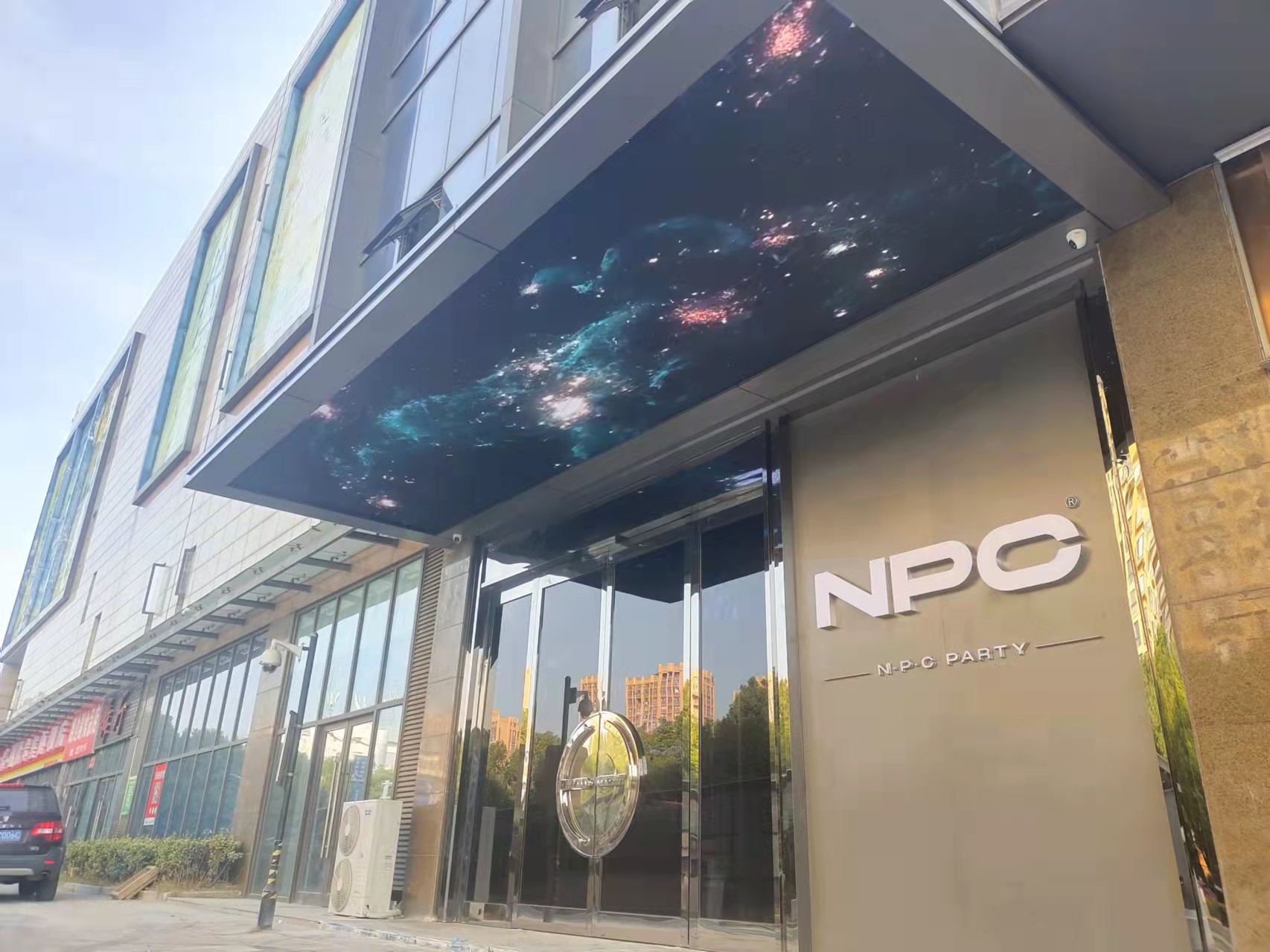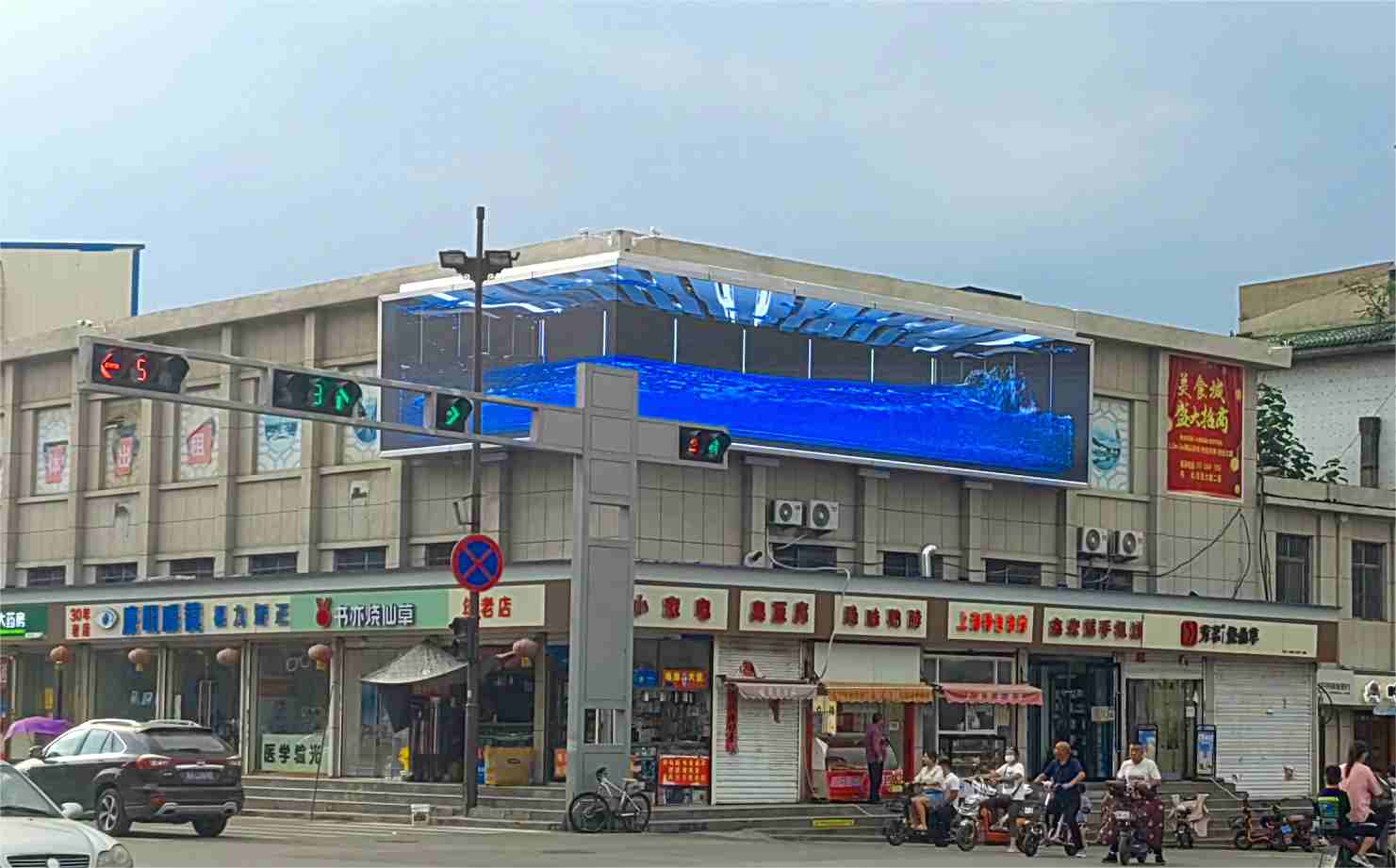
This product called a transparent screen has appeared frequently in many fields such as advertising, exhibitions, and retail in recent years. It has the characteristic of allowing light to penetrate. Not only that, it can also display pictures, which indeed looks very technological. But to be honest, the number of people who have actually seen and used transparent screens may not be as large as everyone thinks. What kind of item it is, what kind of scenarios it is suitable for, and whether it is worth investing in it. These are the questions that ordinary people want to know most.
Is the display effect of the transparent screen really clear?
When many people encounter a transparent screen for the first time, their most accurate perception is that "the picture seems to be floating in the air." However, there are actually certain prerequisites for such an effect. There is a balance between the transparency of the transparent screen and the display brightness. If the ambient light is too strong, the screen will appear white, and even the content will be difficult to see clearly. For example, at the entrance of a shopping mall with direct sunlight, the effect presented by a transparent screen may not be as realistic as an ordinary screen.
During actual use, there is a very close relationship between the clarity of the transparent screen and its own light transmittance. When the light transmittance is at a high level, the background can appear relatively clear, but the brightness of the picture will decrease accordingly; if the light transmittance decreases, the picture will appear brighter, but the things behind it will be difficult to clearly identify. For transparent screens produced by different manufacturers and manufactured using different technologies, the difference in this parameter is quite significant. For example, OLED transparent screens show better performance in terms of contrast, while LCD transparent screens have more prominent advantages in terms of cost. Each of them has different trade-offs and choices.
There is one thing that is not easy to notice, which is the perspective. The transparent screen does not appear so "transparent" when viewed from any angle. Some screens will have a color cast when viewed from the side, and some will become blurry. This is the reason why many transparent screens in the exhibition hall are placed facing the front, rather than being placed at any angle to show excellent effects. So if you plan to buy a transparent screen, be sure to go to the site to see the real thing first, and don’t just watch the promotional video.
What scenarios are transparent screens suitable for?
The most popular transparent screen is especially suitable for use in shopping mall windows. In the past, static posters were placed in the window, but later they were replaced by transparent screens. They not only displayed the actual products, but also played dynamic advertisements, which greatly enhanced the visual impact. For example, for small retail stores such as jewelry stores and mobile phone stores that prefer to display touchable products, transparent screens can indeed make the windows dynamic and full of vitality.
In addition to retail, exhibition halls and museums are also key places for transparent screens. The exhibits themselves are stationary, but transparent screens can add dynamic information. For example, a transparent screen next to a cultural relic will display its historical background and purpose. Even the restored animation; the audience can not only watch cultural relics, but also watch related content, and the experience has been significantly improved. Transparent screens have become standard equipment in many science and technology museums and corporate exhibition halls.
But to be fair and reasonable, transparent screens are not suitable for all situations. For example, using it as a TV at home, or placing it in the office as a monitor, these uses are actually not very feasible. On the one hand, its price is high, and on the other hand, in daily use, the display effect of the transparent screen is not as good as that of the ordinary screen. Its value lies in the characteristic of "transparency", rather than the display quality itself. So if you don’t have specific display needs, a transparent screen may not be a practical choice.
In the end, fundamentally speaking, the transparent screen is more like a product with a tool nature, rather than an item used for daily consumption. It is most suitable for those places where "you can see but seem invisible" - you can clearly see the displayed content, and you can also see the actual objects behind it. Such a contradictory beauty is the value of the existence of transparent screens. Advertisers, curators, and brands will use it to improve their experience. However, ordinary consumers only appreciate and use it, and there is no need for everyone to buy one and enjoy it.